Rasa (Taste)
Amla
The primary taste perceived on the tongue.

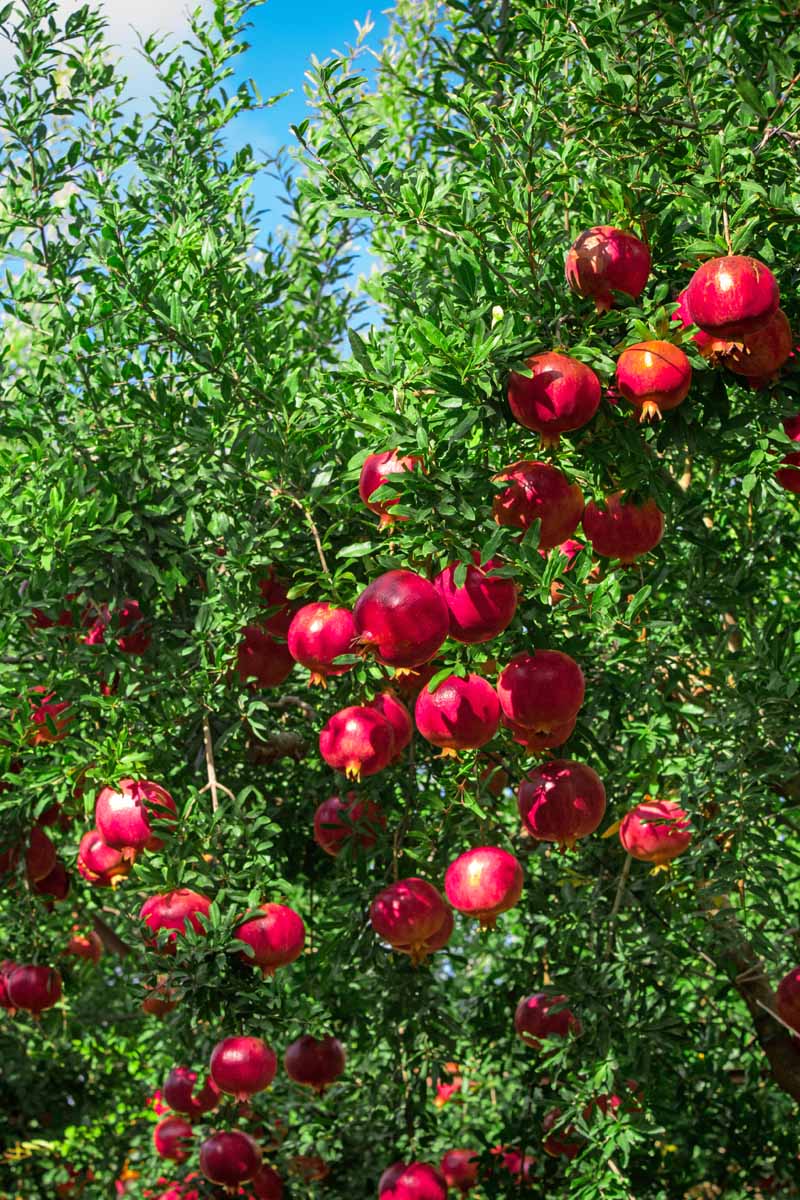
Dadima (pomegranate, or Punica granatum) is a large deciduous shrub or small tree, reaching 5 to 8 meters in height.
Punica granatum · Lyrtheracea
Dadima (pomegranate, or Punica granatum) is a large deciduous shrub or small tree, reaching 5 to 8 meters in height.
Scientific Name
Punica granatum
Family
Lyrtheracea
Hindi Name
Anaar
Used Part
Phala twak (rind), Kanda twak, Mulatwak , Pushpa (Flower )
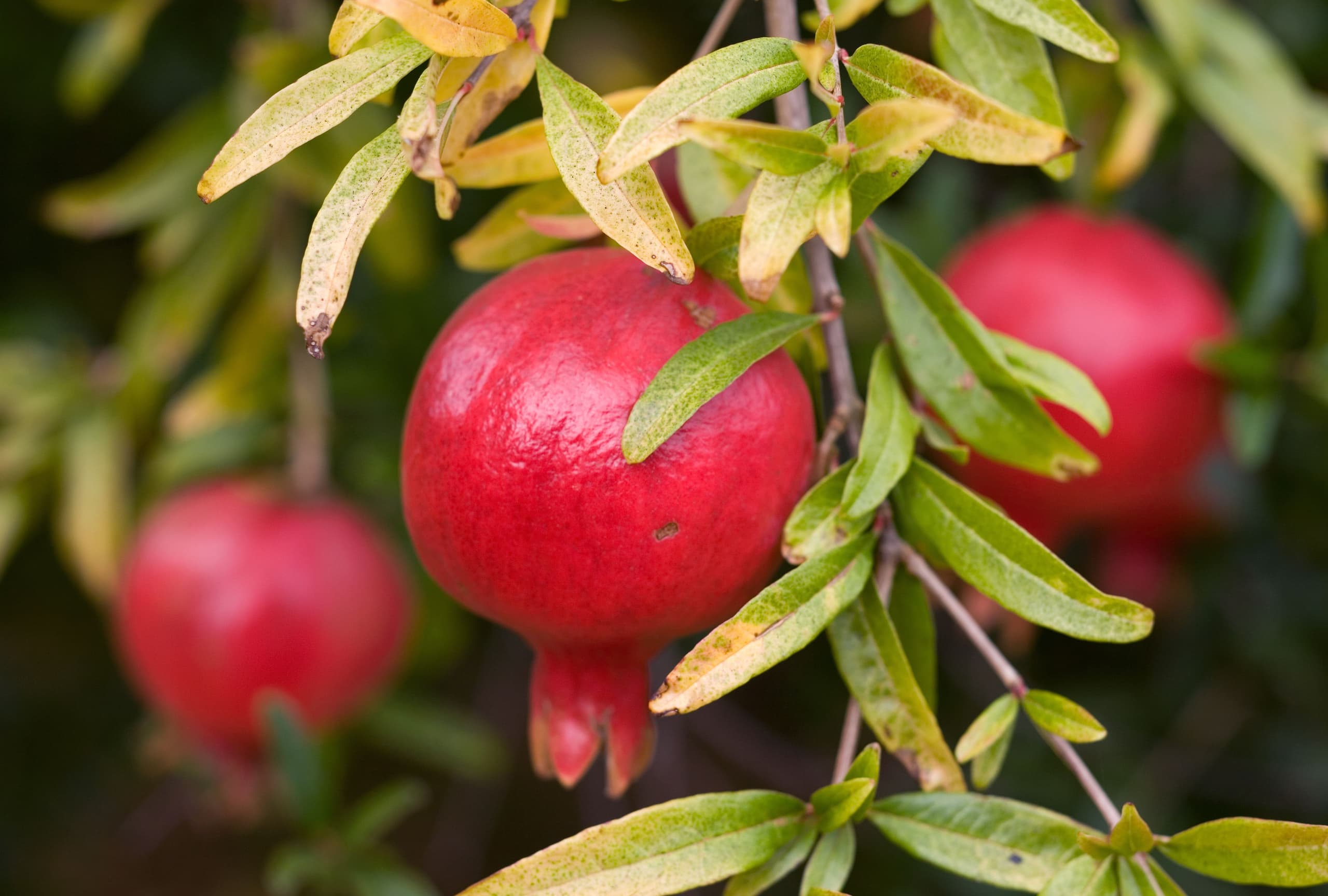
Morphology and field-identification notes as documented in our Dravyaguna library.
Dadima (pomegranate, or Punica granatum) is a large deciduous shrub or small tree, reaching 5 to 8 meters in height. It features a woody stem with grayish bark, glossy oblong-lanceolate leaves and striking scarlet flowers. Its unique leathery fruit holds numerous angular seeds enclosed in juicy arils.
The five-fold framework Ayurveda uses to describe a drug — Rasa, Guna, Vipaka, Veerya and its effect on the doshas.
Amla
The primary taste perceived on the tongue.
Laghu, Ruksha, Tikshna
Physical and energetic attributes of the dravya.
Amla
Taste that emerges after complete digestion.
Tridosha Shamak
Effect on Vata, Pitta and Kapha doshas.
Anushna
Heating (ushna) or cooling (sheeta) energy.
Dahahara, Jwarahara, Tarpana Shukrala, Medhya, Balya, Hradya
How modern science maps onto the classical understanding of this dravya.
Pharmacological Action
Astringent, Anti helminthic, Stomachic, Cooling
Phytoconstituents
Glucose, Fructose, Maltose, Starch, Oxalic acid, Carotene, Thiamine, Riboflavin, Nicotinic acid.
Classical Ayurvedic indications drawn directly from the Dravyaguna tradition — paired with the preparations recommended in shastra.
01
Ripen fruit of Dadima should be cooked in closed heating. The juice extracted from fruit cures all types of Atisara .
02
Juice extracted from Dadima is mixed with juice of Amra leaves or any drug having Shita virya (cold potency) should be used internally.
03
The paste prepared from sugar and Dadima or Draksha and Dadima is kept in mouth will reduce dryness and taste- lessness associated with Trishna.
Always consult a qualified Ayurvedic physician before using any herb therapeutically. Dose, anupana and Prakriti-specific suitability matter.
Yoga / Kalpana
Common Ayurvedic preparations where Dadima is a key ingredient.
Shastra Pramana
दाडिमः करको दन्तबीजो लोहितपुष्पकः । (भा.प्र.आम्र फलवर्ग. 101 )