Rasa (Taste)
Tikta
The primary taste perceived on the tongue.

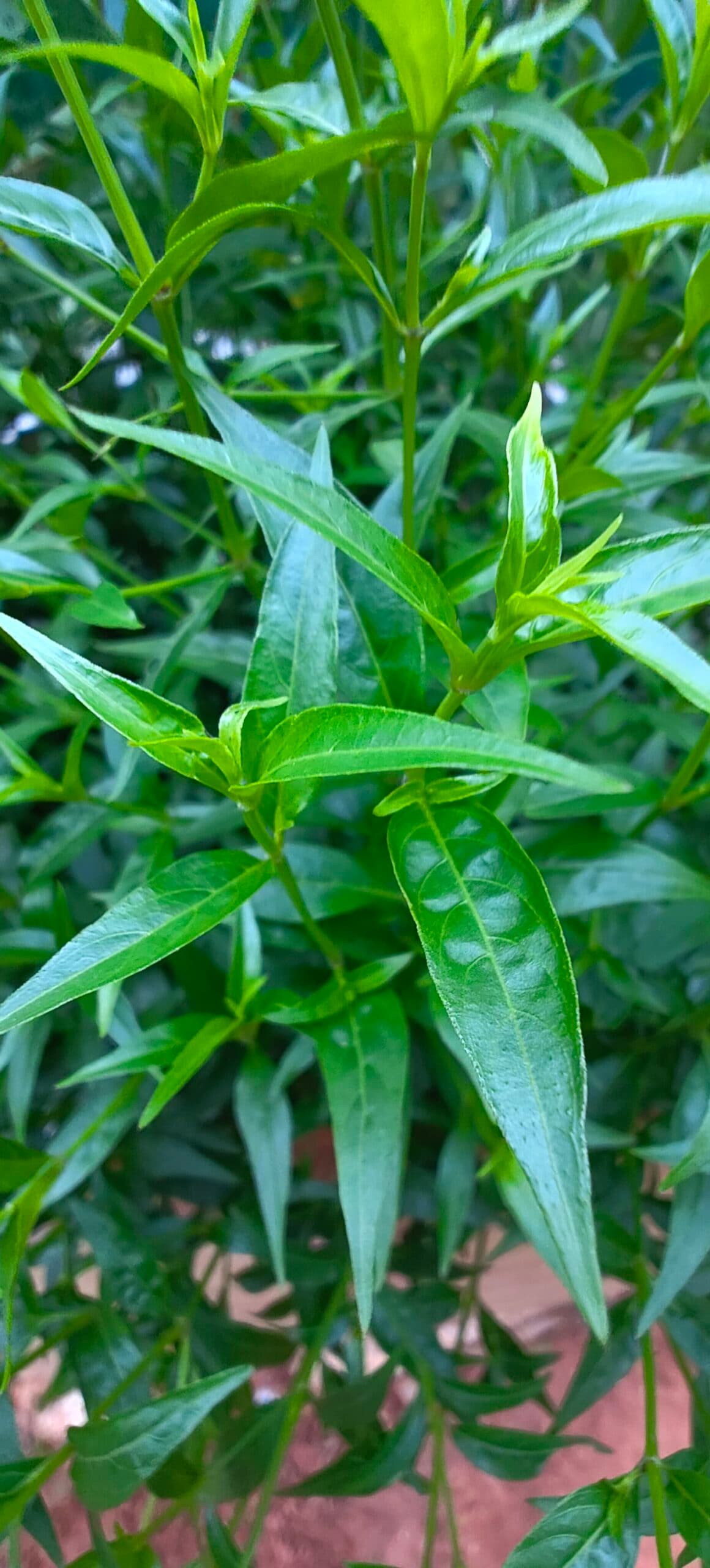
A herb mainly growing in the high altitudes of Himalayas.
Swertia chirata Buch. Ham. · Gentianaceae
A herb mainly growing in the high altitudes of Himalayas.
Scientific Name
Swertia chirata Buch. Ham.
Family
Gentianaceae
Hindi Name
Chirayata
Used Part
Panchanga
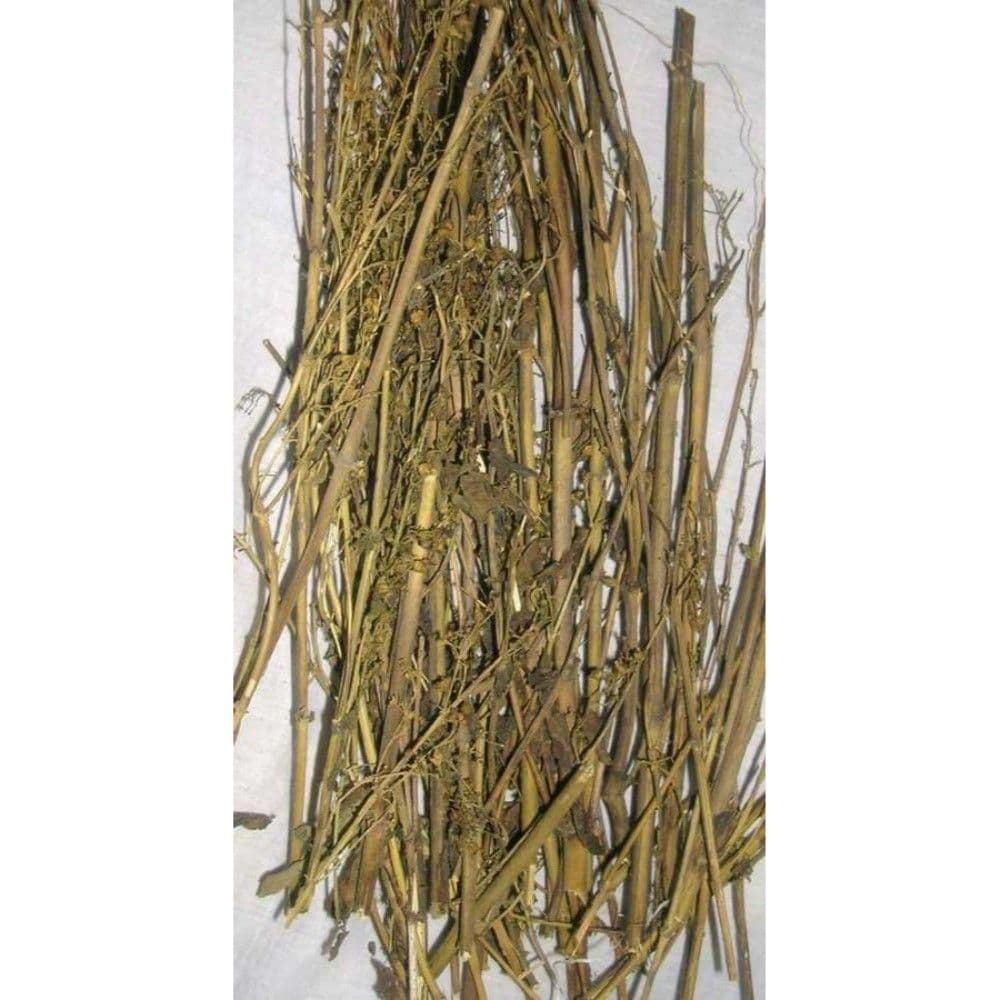
Morphology and field-identification notes as documented in our Dravyaguna library.
A herb mainly growing in the high altitudes of Himalayas. Particularly north eastern region known as Kiräta. The whole plant is bitter. Annual or perennial herb, stems 0.6-1.5 m, branching, terete except near the top. Leaves broadly lanceolate, 10 by 3.8 cm., acute. Calyx and corolla 4. lobed. Corolla green, yellow, tinged with purple; two glands on each lobe, green, fringed with long hairs.
The five-fold framework Ayurveda uses to describe a drug — Rasa, Guna, Vipaka, Veerya and its effect on the doshas.
Tikta
The primary taste perceived on the tongue.
Laghu, Ruksha
Physical and energetic attributes of the dravya.
Katu
Taste that emerges after complete digestion.
Kaphapitta Shamaka
Effect on Vata, Pitta and Kapha doshas.
Sheeta
Heating (ushna) or cooling (sheeta) energy.
Virecaka, Sannipata-Kasaghna, Raktadoşahara, Dahaghna, Svasaghna, Jwaraghna, Trishnanigrahana, Kuşthaghna, Păcana, Tiktagn, Sothaghna, Pittavirecaka.
How modern science maps onto the classical understanding of this dravya.
Pharmacological Action
It is a tonic febrifuge and laxative and is used in fever, burning of the body, intestinal worms and skin diseases. It is particularly useful as a tonic or mild febrifuge in fever. It is an excellent bitter for children and should be taken every morning, then discontinued for a time,there after to be resumed until the desired action has been produced.
Phytoconstituents
Xanthones, Xanthon glycoside and Mangiferine
Classical Ayurvedic indications drawn directly from the Dravyaguna tradition — paired with the preparations recommended in shastra.
01
Jirnajwar, Agnimandya, Sriradaha, Sannipätajajvara, Hikka, Garbhinivamana.
Always consult a qualified Ayurvedic physician before using any herb therapeutically. Dose, anupana and Prakriti-specific suitability matter.
Yoga / Kalpana
Common Ayurvedic preparations where Kiratatikta is a key ingredient.
Shastra Pramana
किराततिक्तः कैरातः कटुतिक्तः किरातकः | काण्डतिक्तोऽनार्यतिक्तो भूनिम्बो रामसेनकः | किरातकोऽन्यो नैपालः सोऽर्धतिक्तो ज्वरान्तकः ||१३६|| किरातः सारको रूक्षः शीतलस्तिक्तको लघुः | सन्निपातज्वरश्वासकफपित्तास्रदाहनुत् | कासशोथतृषाकुष्ठज्वरव्रणकृमिप्रणुत् ||१३७||