Rasa (Taste)
Madhura, Amla
The primary taste perceived on the tongue.

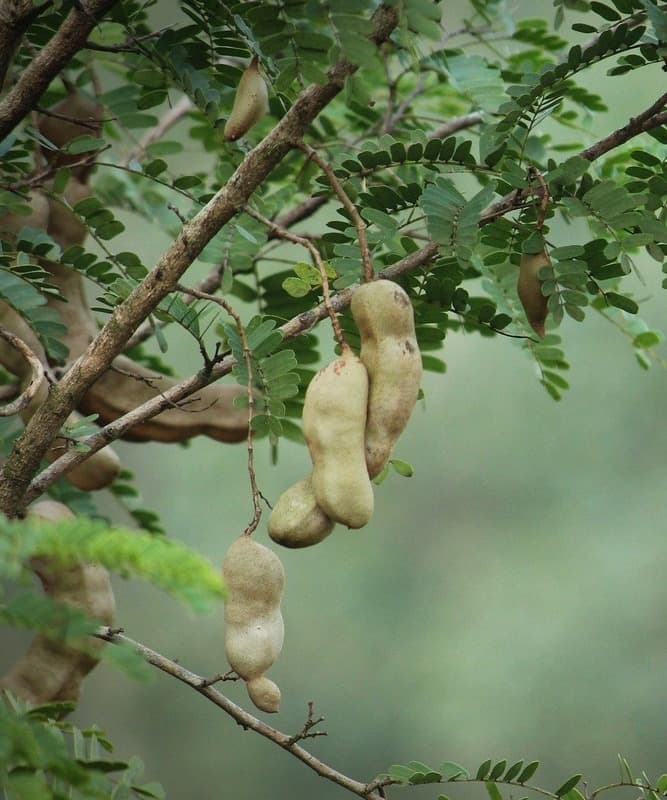
The Chincha plant, is a medium-sized, evergreen tree native to tropical Africa but widely cultivated in tropical and subtropical regions worldwide.
Tamarindus indica · Fabaceae
The Chincha plant, is a medium-sized, evergreen tree native to tropical Africa but widely cultivated in tropical and subtropical regions worldwide.
Scientific Name
Tamarindus indica
Family
Fabaceae
Hindi Name
Imali
Used Part
Fruit, Leaves, Bark, Root
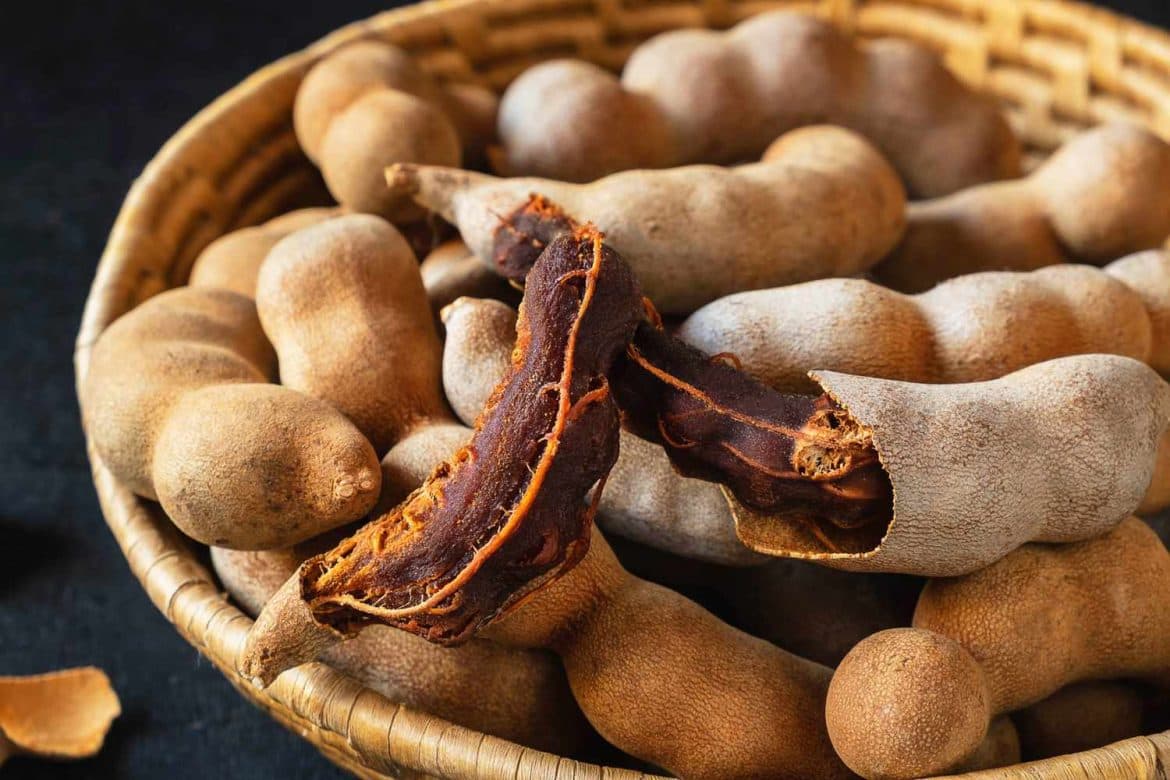
Morphology and field-identification notes as documented in our Dravyaguna library.
The Chincha plant, is a medium-sized, evergreen tree native to tropical Africa but widely cultivated in tropical and subtropical regions worldwide. It can reach a height of up to 25 meters and has a distinctive umbrella-like canopy. The tree features pinnate leaves with oblong leaflets and small yellow flowers that are borne in clusters. However, it is most famous for its unique, pod-like fruits. These fruits are brown, hard-shelled, and contain a sweet and tangy pulp inside. The tree's bark is rough and grayish-brown. The Chincha plant is well-known for its drought tolerance and adaptability to various soil types, making it a popular choice for cultivation in many countries.
The five-fold framework Ayurveda uses to describe a drug — Rasa, Guna, Vipaka, Veerya and its effect on the doshas.
Madhura, Amla
The primary taste perceived on the tongue.
Laghu
Physical and energetic attributes of the dravya.
Amla
Taste that emerges after complete digestion.
Kapha Vata Shamak
Effect on Vata, Pitta and Kapha doshas.
Ushna
Heating (ushna) or cooling (sheeta) energy.
Agni deepan, Ruchikar, Anuloma, Vastisuddhikar.
How modern science maps onto the classical understanding of this dravya.
Pharmacological Action
Primarily acting as an Antioxidant, Anti-inflammatory and Gentle laxative
Phytoconstituents
The Chincha plant is rich in various chemical constituents, including tartaric acid, citric acid, ascorbic acid (vitamin C) and numerous antioxidants. Its pulp contains tannins, flavonoids, and various volatile organic compounds that contribute to its unique flavor and potential health benefits. The seeds of the Chincha plant contain valuable oils and proteins.
Classical Ayurvedic indications drawn directly from the Dravyaguna tradition — paired with the preparations recommended in shastra.
01
Tamarind supports cardiovascular health by helping to lower bad cholesterol (LDL) and triglyceride levels.
02
The rich vitamin C content in tamarind plays a crucial role in strengthening the immune system.
03
Tamarind contains important nutrients like vitamin A and antioxidants that support eye health.
04
Chincha is renowned for its digestive properties. It aids in digestion, reduces flatulence, and helps relieve constipation
05
Tamarind contains natural laxatives that promote healthy digestion and relieve constipation.
Always consult a qualified Ayurvedic physician before using any herb therapeutically. Dose, anupana and Prakriti-specific suitability matter.
Yoga / Kalpana
Common Ayurvedic preparations where Chincha is a key ingredient.
Shastra Pramana
"चिन्तां सर्वार्तिनामाप्नोति प्रेत्यापदबलापहम् । कण्ठकण्ठावनीताङ्घ्रि तिक्ता चिन्तापत्रिका मूलम्