Rasa (Taste)
Tikta,Katu
The primary taste perceived on the tongue.

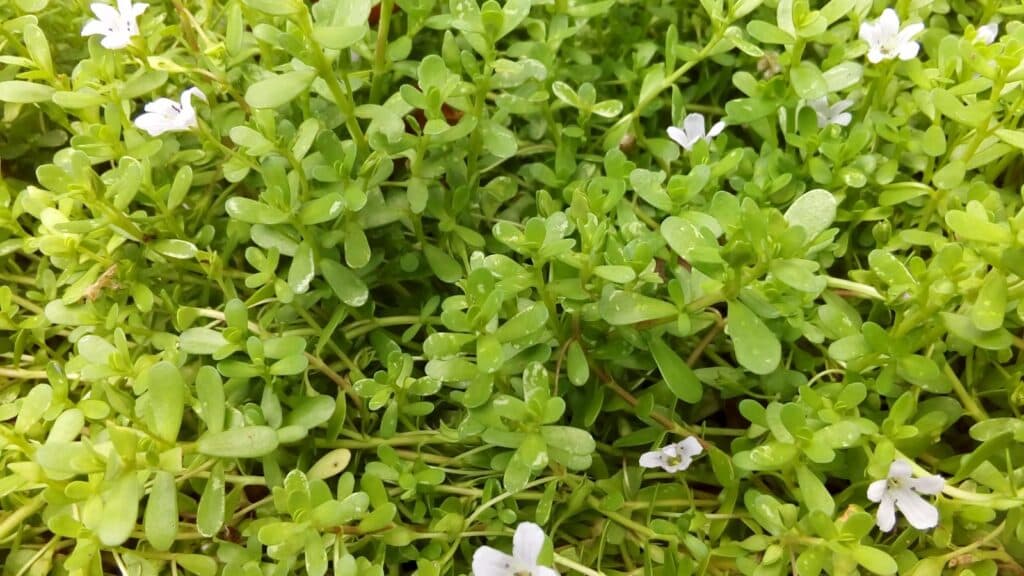
Brahmi grows abundantly near water resources.Habit - Succulent, spreading, prostrate or creeping glabrous annual herb.
Bacopa monnieri · Scrophulariaceae
Brahmi grows abundantly near water resources.Habit - Succulent, spreading, prostrate or creeping glabrous annual herb.
Scientific Name
Bacopa monnieri
Family
Scrophulariaceae
Hindi Name
Jalnim
Used Part
Panchang (Whole Plant)
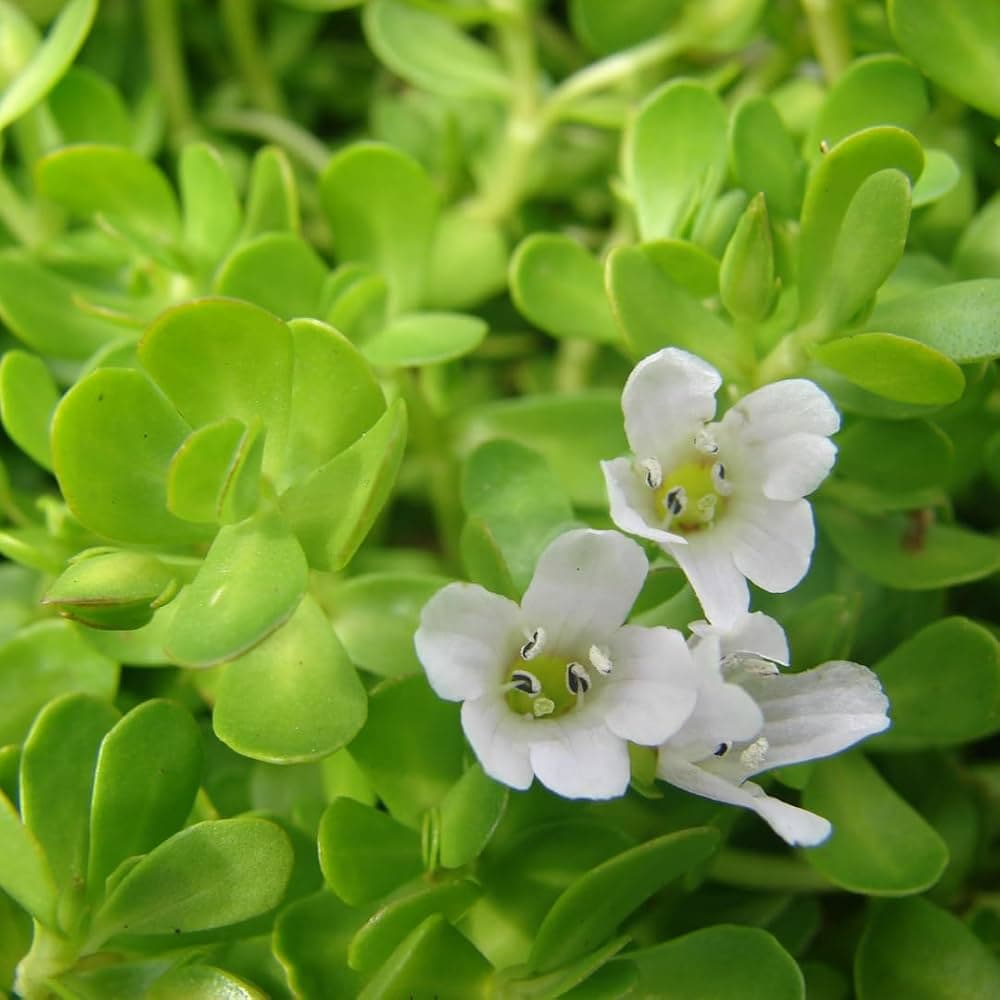
Morphology and field-identification notes as documented in our Dravyaguna library.
Brahmi grows abundantly near water resources.Habit - Succulent, spreading, prostrate or creeping glabrous annual herb. Branches are numerous, upright and having adventitious roots at almost every node. Stem is green with internodes of varying length. Leaves - Simple, opposite, decussate, almost sessile, obovate-oblong shape, entire and fleshy.Flowers- Axillary, solitary on long slender pedicels of varying lengths usually longer than the leaves.Fruits - Capsule, ovoid.
The five-fold framework Ayurveda uses to describe a drug — Rasa, Guna, Vipaka, Veerya and its effect on the doshas.
Tikta,Katu
The primary taste perceived on the tongue.
Ruksha, Laghu
Physical and energetic attributes of the dravya.
Madhura
Taste that emerges after complete digestion.
Kapha pitta Shamaka
Effect on Vata, Pitta and Kapha doshas.
Sheeta
Heating (ushna) or cooling (sheeta) energy.
Varnya, Twachya, Pramehahara, Shothahara, Vranahara, Kandughna, Vishaghna, Kushthaghna, Krimighna, Ruchikara, and Shitapittahara.
How modern science maps onto the classical understanding of this dravya.
Pharmacological Action
Nerve tonic, diuretic, anti-inflammatory, anticonvulsant, immunomodulator, blood purifier, rejuvenative, cardiotonic, and memory enhancer.
Phytoconstituents
The whole plant contains D-mannitol, saponin, betulic acid, β-sitosterol, stigmasterol, bacoside A, bacoside B (saponins), monnierin, hersaponin, nicotine, bacogenin-A, betulinic acid, γ-sitosterol, and mannitol. Leaves contain brahmine and herpestine (alkaloids).
Classical Ayurvedic indications drawn directly from the Dravyaguna tradition — paired with the preparations recommended in shastra.
01
Brahmi is best for loss of memory.
02
Purana ghrita processed with Brahmi rasa, Vaca, Kushta, and Sankhapuṣpi will cure Unmada, Apasmara (mental disorders).
03
Juice prepared separately from Brahmi, Kushmand phala and Sankhapushpi mixed with Kushta curna and honey relieves insanity.
04
Drugs like Brahmi and Jivaka tied around the Hasta, Griva, and Murdhna help in the overall development of the child, including intellect.
Always consult a qualified Ayurvedic physician before using any herb therapeutically. Dose, anupana and Prakriti-specific suitability matter.
Yoga / Kalpana
Common Ayurvedic preparations where Brahmi is a key ingredient.
Shastra Pramana
ब्राह्मी हिमासरा तिक्ता लघुर्मेध्या च शीतला । कषाया मधुरा स्वादुपाकाऽऽयुष्या रसायनी ॥स्वर्या स्मृतिप्रदा कुष्ठपाण्डु मेहास्त्रकासजित् । विषशोथज्वरहरी तद्वन्मण्डूकपर्णिनी ।।(भा.प्र. गुडूच्यादि वर्ग. 279-281)