Rasa (Taste)
Madhura, Tikta, Kashaya
The primary taste perceived on the tongue.

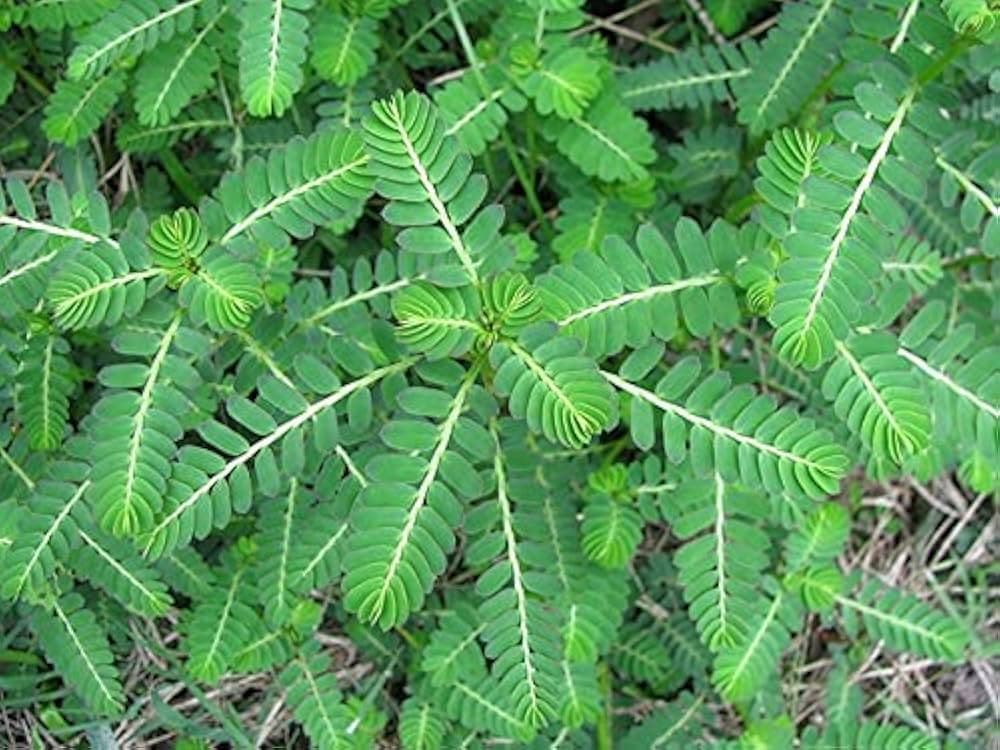
Bhumiamlaki, is widely distributed in tropical and subtropical regions of India.
Phyllanthus urinaria Linn. · Phyllanthaceae
Bhumiamlaki, is widely distributed in tropical and subtropical regions of India.
Scientific Name
Phyllanthus urinaria Linn.
Family
Phyllanthaceae
Hindi Name
Bhumiamlaki
Used Part
Panchanga (Whole plant)
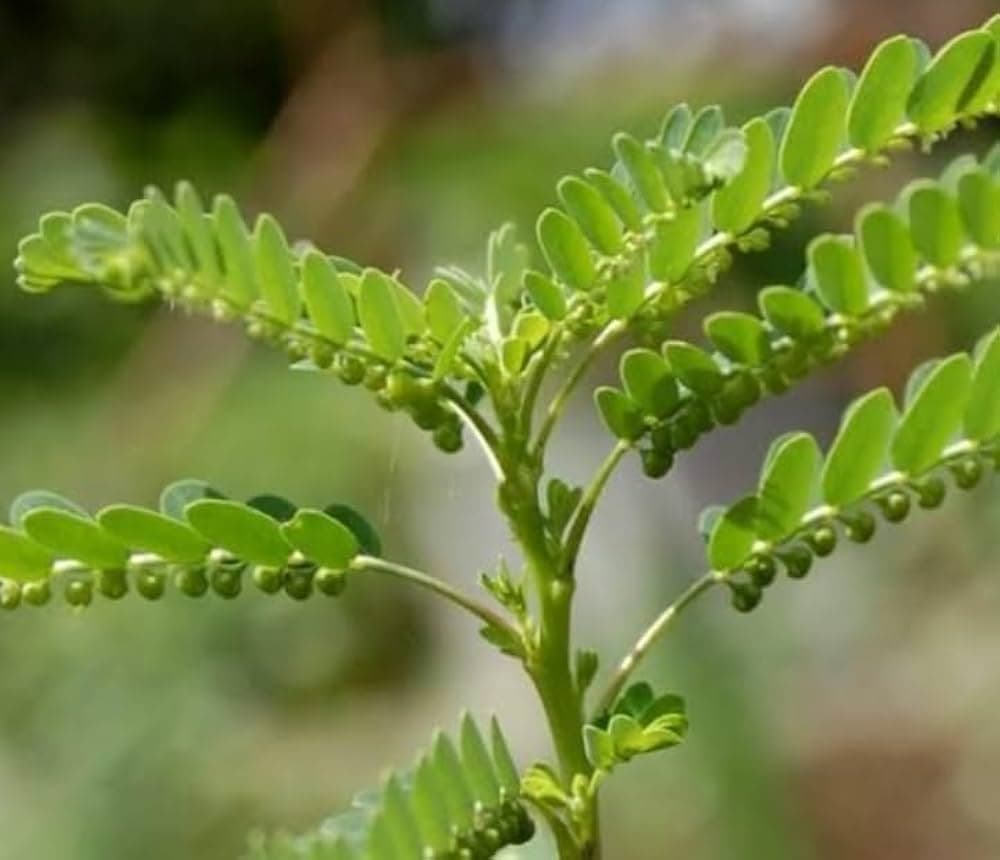
Morphology and field-identification notes as documented in our Dravyaguna library.
Bhumiamlaki, is widely distributed in tropical and subtropical regions of India. It grows in moist, shady places, especially during the monsoon. Also found in Sri Lanka, China, and other parts of Southeast Asia. It grows 30 to 60 cm tall and bears ascending herbaceous branches. Stem: Erect and branched.Leaf: Simple, Imbricate, Sessile or nearly 6 to 13 mm wide, Oblong.Flower: Numerous Pale-Yellow Solitary, Axillary, Subsessile and Minute.Fruits: Capsule, 3mm diameter, Globose and Tiny.Seed: Trigonous.
The five-fold framework Ayurveda uses to describe a drug — Rasa, Guna, Vipaka, Veerya and its effect on the doshas.
Madhura, Tikta, Kashaya
The primary taste perceived on the tongue.
Laghu, Ruksha
Physical and energetic attributes of the dravya.
Madhura
Taste that emerges after complete digestion.
Pittakapha Shamaka
Effect on Vata, Pitta and Kapha doshas.
Sheeta
Heating (ushna) or cooling (sheeta) energy.
Mutrala, Rechaya, Swanskasahara, Pitta Pramehaghna, Medoroga, Pandu, Kushta and Visha.
How modern science maps onto the classical understanding of this dravya.
Pharmacological Action
Analgesic, antibacterial, antihepatotoxic, anti-inflammatory, antilithic, antimalarial,antiviral, digestive, diuretic, febrifuge, heptatonic, hepatoprotective, hypoglycaemic, laxative, vermifuge
Phytoconstituents
Cardiac glycosides, Anthraquinones, Tannins, Saponins, Flavonoids, Lignans, Flavonoids, Triterpenes, Terpenoids, Chloroform, Acetone, Ethyl acetate, Ethanol and Methanolic acid
Classical Ayurvedic indications drawn directly from the Dravyaguna tradition — paired with the preparations recommended in shastra.
01
The root is diuretic and used to remove bladder stones, and is a remedy for jaundice.
02
An infusion of the tender fresh roots is valuable in the treatment of Chronic Dysentery.
03
An infusion of the leaves is used as a treatment for Dysentery.
04
The herb is stomachic and useful in the treatment of Gastric Sores.
05
An infusion of the root and leaves is a good tonic and diuretic when taken cold.
Always consult a qualified Ayurvedic physician before using any herb therapeutically. Dose, anupana and Prakriti-specific suitability matter.
Yoga / Kalpana
Common Ayurvedic preparations where Bhumiamlaki is a key ingredient.
Shastra Pramana
भूधात्री वातकृत्तिक्ता कषाया मधुरा हिमा। पिपासाकासपित्तास्रकफकण्डूक्षतापहा।।"(भावप्रकाश निघण्टु)