Rasa (Taste)
Katu, Kashaya
The primary taste perceived on the tongue.

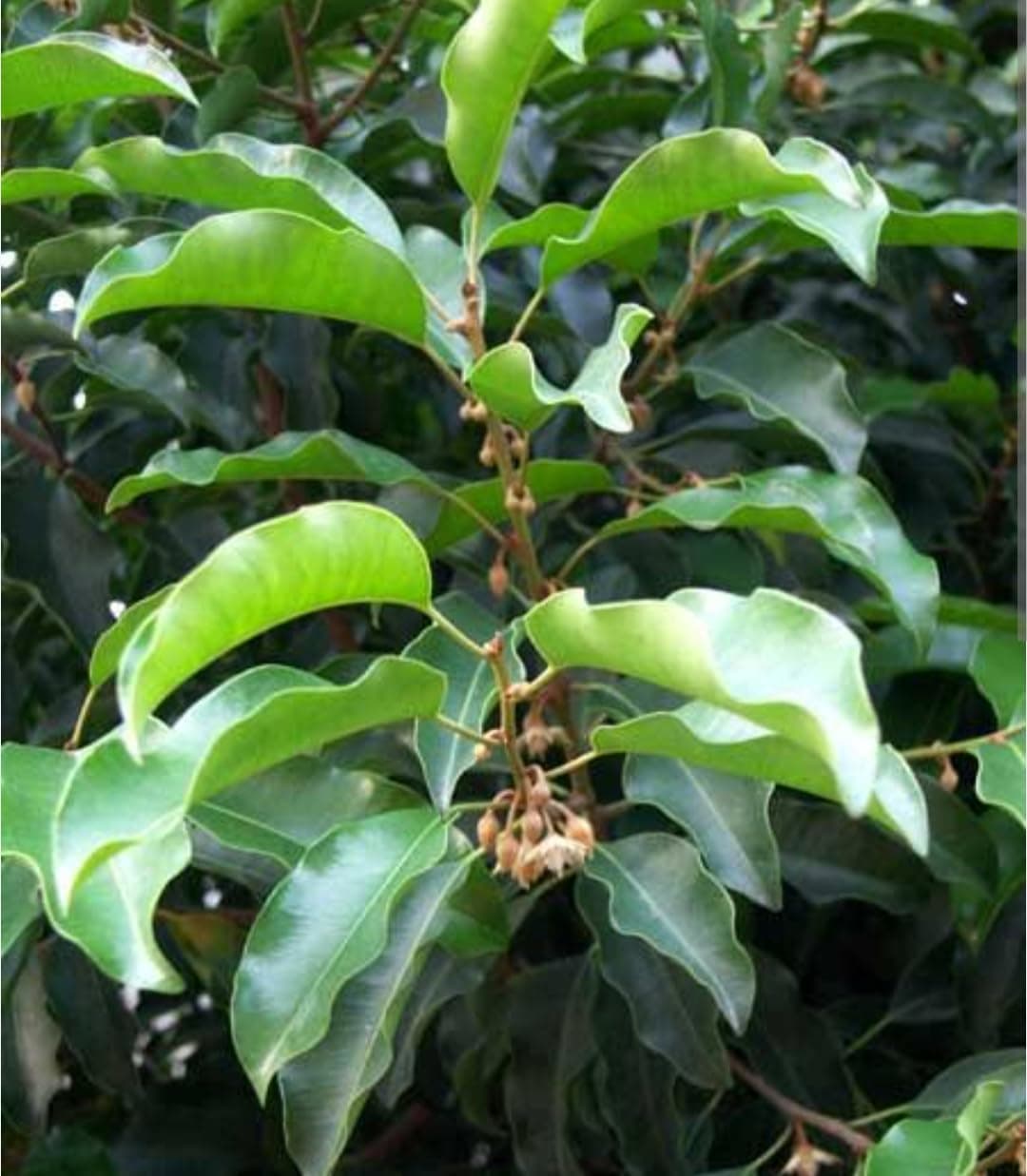
It is a medium-sized evergreen tree.
Mimusops elengi Linn. · Sapotaceae
It is a medium-sized evergreen tree.
Scientific Name
Mimusops elengi Linn.
Family
Sapotaceae
Hindi Name
Singh Kesar, Mukur
Used Part
Flowers and Bark
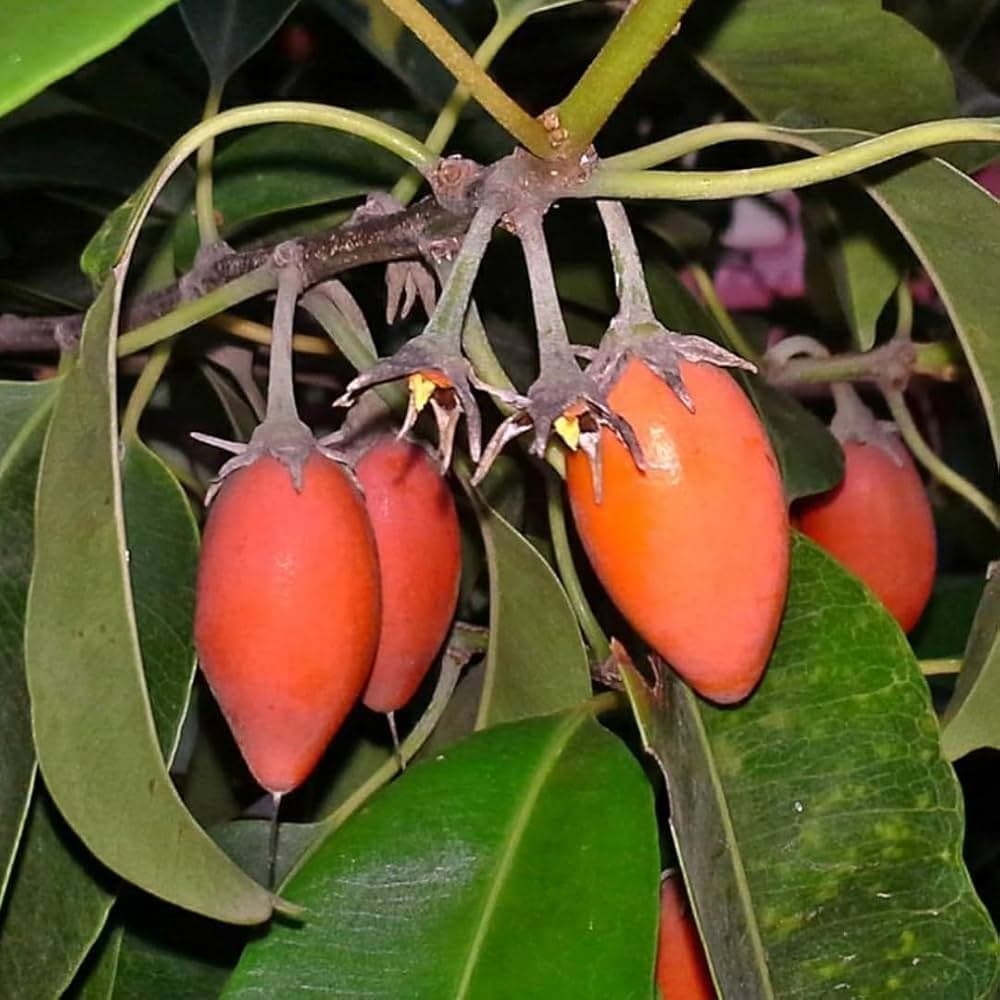
Morphology and field-identification notes as documented in our Dravyaguna library.
It is a medium-sized evergreen tree.
Leaves are glossy, dark green, and elliptic. Flowers are small, white, highly fragrant, and star-shaped. Fruits are oval berries that turn orange-red on ripening. Bark is dark grey and rough. Seeds are brown and shiny.
The five-fold framework Ayurveda uses to describe a drug — Rasa, Guna, Vipaka, Veerya and its effect on the doshas.
Katu, Kashaya
The primary taste perceived on the tongue.
Guru
Physical and energetic attributes of the dravya.
Katu
Taste that emerges after complete digestion.
Vata dosha hara
Effect on Vata, Pitta and Kapha doshas.
Anushna
Heating (ushna) or cooling (sheeta) energy.
Dantashula hara, balyam, hridyam, vishaghnam, brimhanam, samgrahi.
How modern science maps onto the classical understanding of this dravya.
Pharmacological Action
Carminative, Digestive, Astingent, Cooling, Diuretic, Antimicrobial, Antifungal, Anthelmintic, Antiviral, Antipyretic, Anti-inflammatory, Antioxidant, Antimicrobial, Anti-inflammatory and a potent astringent for oral and gastrointestinal health.
Phytoconstituents
Tannin, Spinasterol, Taraxerol, D-mannitol, Beta-sitosterol, Beta-sitosterol- D-glycoside , Pentacyclic triterpene acids, Mimusopic, Mimusopsic acids.
Classical Ayurvedic indications drawn directly from the Dravyaguna tradition — paired with the preparations recommended in shastra.
01
External uses : Flowers acts as nervine tonic and generate freshness of mind. Powder of the flowers is used for nasal administration in headache. Bark powder is used for strengthening gums and teeth and in pyorrhoea.
02
Internal uses : Decoction of the bark is astringent and is therefore used in diarrhoea, dysentery and intestinal worms. Alcoholic extract of flowers is useful in heart diseases as it acts specifically on the heart and blood. Flowers and bark have good hemostatic activity and are therefore used in menorrhagia, leucorthoea, spermatorrhoea, cystitis, gonorrhoea etc. Ripe fruits are used as general tonic.
Always consult a qualified Ayurvedic physician before using any herb therapeutically. Dose, anupana and Prakriti-specific suitability matter.
Yoga / Kalpana
Common Ayurvedic preparations where Bakul is a key ingredient.
Shastra Pramana
बकुलस्नुवरोऽनुष्णः कटुपाकसो गुरुः । कफपित्तविषर्षाश्वत्र कृमिदन्तगदापहः ॥' (भा. प्र.) 'तत्फलं मधुरं स्निग्धं कषायं विशदं हिमम् । कफपित्तहरं हृद्यं दन्त्यं ग्राहि च वातलम् ॥' (कै. नि.)