Rasa (Taste)
Kashaya
The primary taste perceived on the tongue.

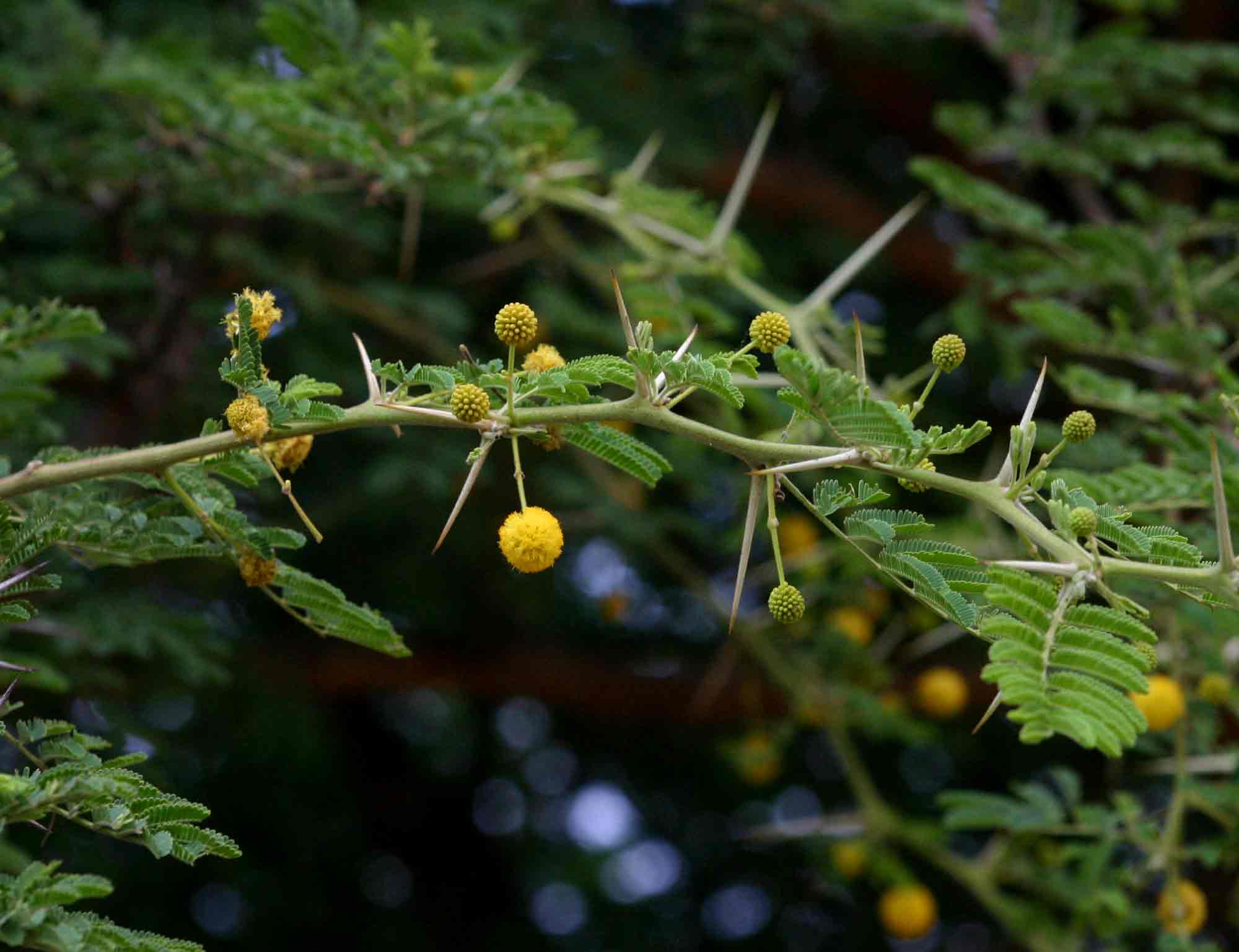
It is a moderate-sized, thorny, and often evergreen tree, typically 5–20 m high, characterized by a short trunk, dark fissured bark, and a dense, rounded crown.
Acacia nilotica (L.) Willd. · Mimosaceae
It is a moderate-sized, thorny, and often evergreen tree, typically 5–20 m high, characterized by a short trunk, dark fissured bark, and a dense, rounded crown.
Scientific Name
Acacia nilotica (L.) Willd.
Family
Mimosaceae
Hindi Name
Babool, Keekar
Used Part
Fruit, Bark, Gum, Seed
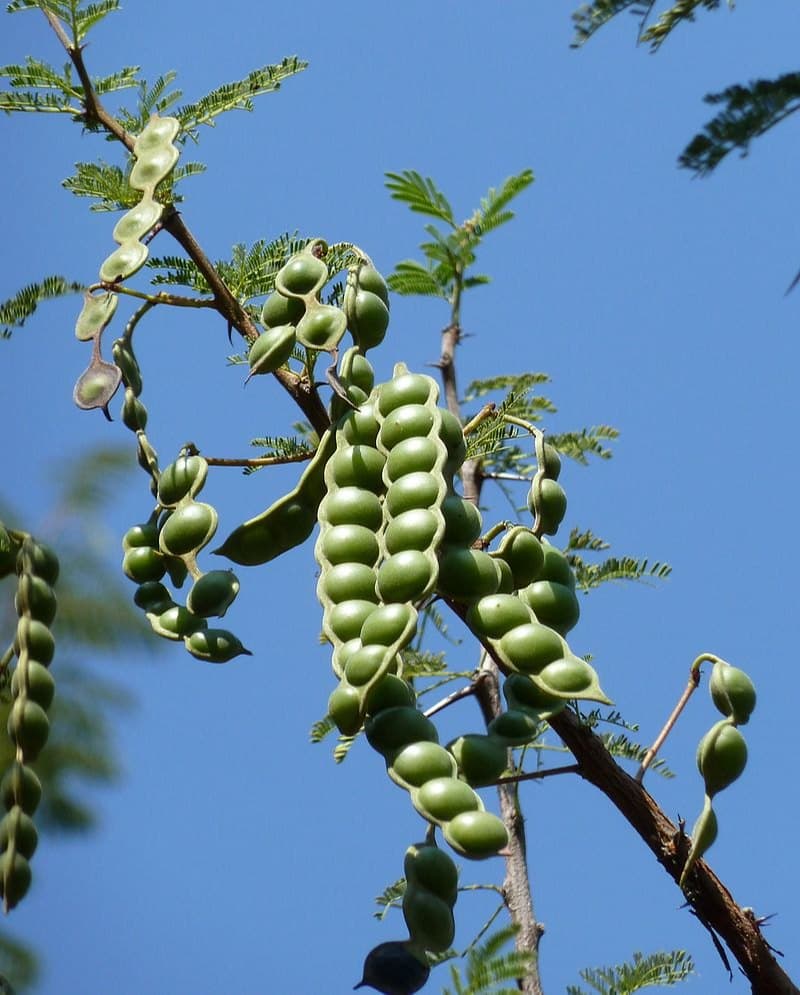
Morphology and field-identification notes as documented in our Dravyaguna library.
It is a moderate-sized, thorny, and often evergreen tree, typically 5–20 m high, characterized by a short trunk, dark fissured bark, and a dense, rounded crown. It features spines in pairs, bipinnate leaves with tiny leaflets, and bright yellow, globose flower heads (1.2–1.5 cm diameter). The pods are distinctively necklace-shaped (moniliform), grey-velvety, and constricted between seeds.
The five-fold framework Ayurveda uses to describe a drug — Rasa, Guna, Vipaka, Veerya and its effect on the doshas.
Kashaya
The primary taste perceived on the tongue.
Guru, Ruksha
Physical and energetic attributes of the dravya.
Katu
Taste that emerges after complete digestion.
Bark-Kaphahara, Niryasa- Pittavata hara
Effect on Vata, Pitta and Kapha doshas.
Sheeta
Heating (ushna) or cooling (sheeta) energy.
Lekhana, Grahi, Pramehahar, Atisarahara,Krimighna.
How modern science maps onto the classical understanding of this dravya.
Pharmacological Action
Antidiarrheal Antidiabetic Anti-inflammatory Antibacterial
Phytoconstituents
Arabinose & arbinobioses, epicatechin, ẞ-sitosterol, paulownin.
Classical Ayurvedic indications drawn directly from the Dravyaguna tradition — paired with the preparations recommended in shastra.
01
(1) Baboola phali churna is used in strengthening the bones.
02
(2)Tender leaves paste of babbula is given orally in atisara.
03
(3) Bark and pod is used in Raktapitta.
04
(4) Exudate of Babbula is used in shukradaurbalya.
05
(5)Decoction of bark is in used in Prameha.
Always consult a qualified Ayurvedic physician before using any herb therapeutically. Dose, anupana and Prakriti-specific suitability matter.
Yoga / Kalpana
Common Ayurvedic preparations where Baboola is a key ingredient.
Shastra Pramana
बब्बूलः कफनुद्ग्राही कुष्ठकृमिविषापहः ॥