Rasa (Taste)
Katu, Tikta
The primary taste perceived on the tongue.

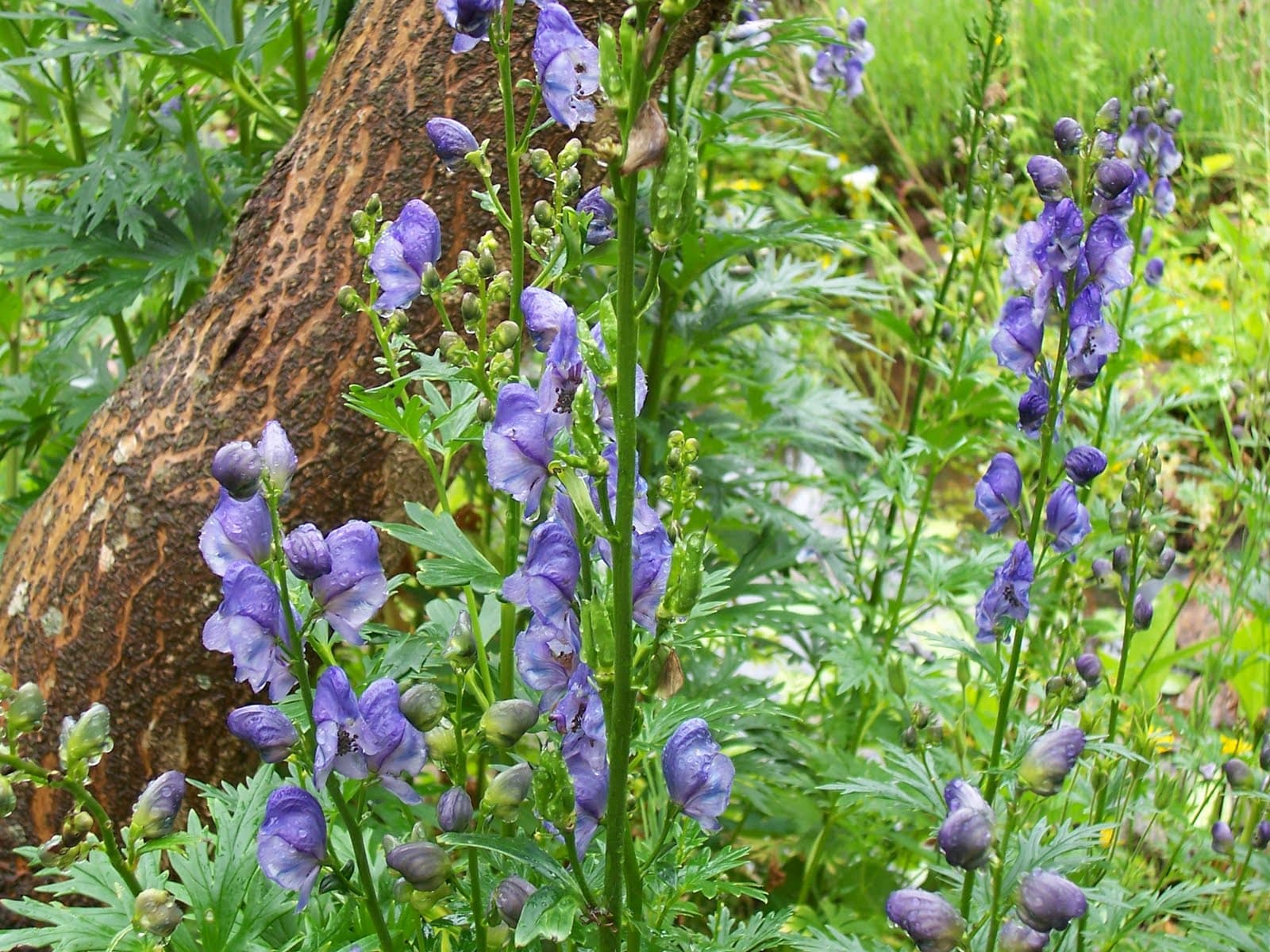
Ativisha is found in Himalayan origin and commonly found in the sub alpine and alpine zone of the Himalaya from Indus to kumaon.
Acontium heterophyllum · Ranunculaceae
Ativisha is found in Himalayan origin and commonly found in the sub alpine and alpine zone of the Himalaya from Indus to kumaon.
Scientific Name
Acontium heterophyllum
Family
Ranunculaceae
Hindi Name
Atis
Used Part
Tuberous root
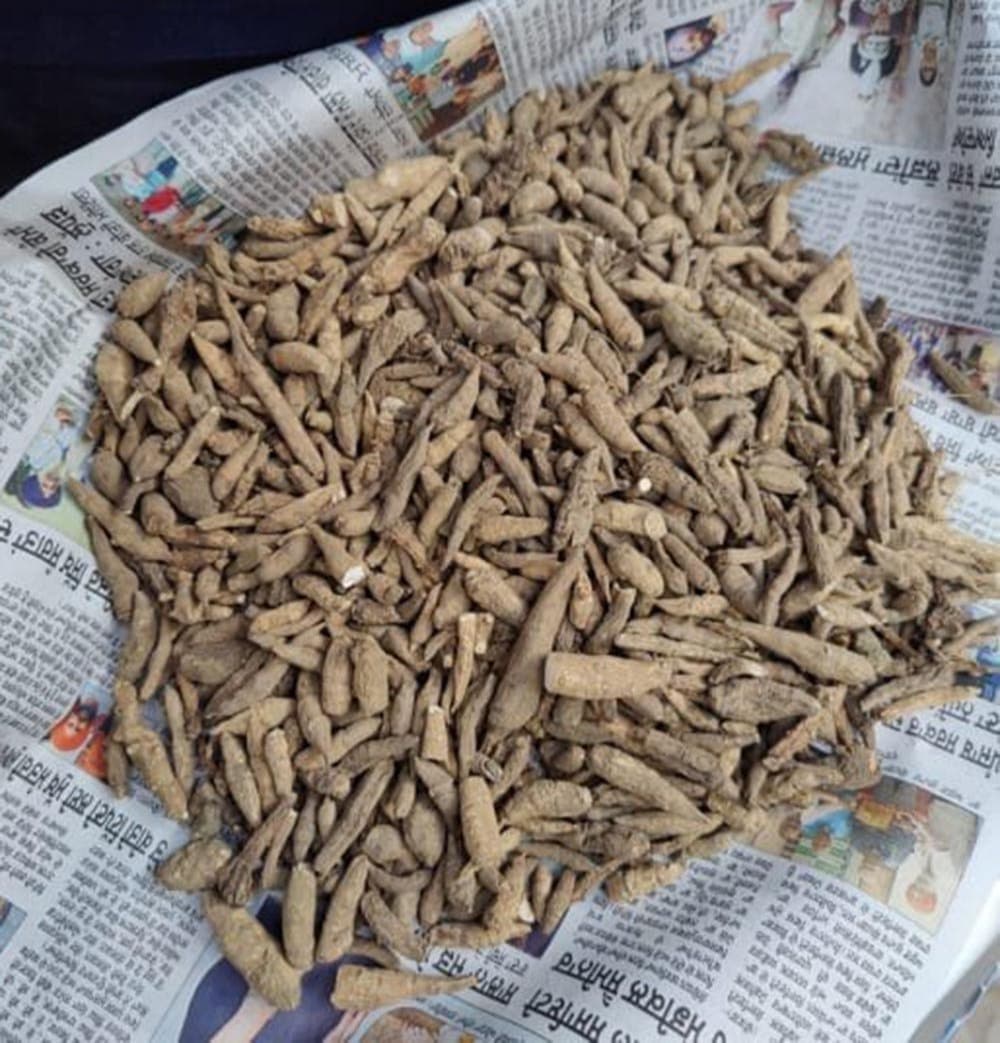
Morphology and field-identification notes as documented in our Dravyaguna library.
Ativisha is found in Himalayan origin and commonly found in the sub alpine and alpine zone of the Himalaya from Indus to kumaon. It is a herbaceous perennial plant that grows 1 to 1.5mtrs. Leaves are cauline and ramal, simple, petiolate with leaf base sheathing. Inflorescence is raceme with an end flower. Flowers are purple in colour.
The five-fold framework Ayurveda uses to describe a drug — Rasa, Guna, Vipaka, Veerya and its effect on the doshas.
Katu, Tikta
The primary taste perceived on the tongue.
Laghu, Ruksha
Physical and energetic attributes of the dravya.
Ushna
Taste that emerges after complete digestion.
Kaphapitta Shamaka
Effect on Vata, Pitta and Kapha doshas.
Katu
Heating (ushna) or cooling (sheeta) energy.
Deepena, Krumihara, Pachan, Arshoghna, Jwarahara, Kasahara.
How modern science maps onto the classical understanding of this dravya.
Pharmacological Action
Antidiarrheal, Anti-inflammatory, and Antipyretic properties.
Phytoconstituents
Atisine, Atidine, Atodine, Benzylheteratisine, Doterpene, Heteratisine, Hestisine, Heterophyline, Aconitic acid, Tanic acid, Isoatisine.
Classical Ayurvedic indications drawn directly from the Dravyaguna tradition — paired with the preparations recommended in shastra.
01
Ativisha Kanda churna administered with madhu is very beneficial in Kasa (cough).
02
The peya (liquid gruel) processed with Ativisha, Shunthi and Sours is very beneficial in Amatisara.
03
Kwatha prepared from Ativisha , Shunthi and Musta is very useful in digesting Ama in Grahani roga.
04
Ativisha amla dravyas, Shunthi, Goksura, Kantakari are made as peya and given along with phanita in Mutra Kricchra.
05
Sunthi, Kutaja, Musta, Guduci and Ativisa are given orally in the form of decoction in Jvaratisara.
Always consult a qualified Ayurvedic physician before using any herb therapeutically. Dose, anupana and Prakriti-specific suitability matter.
Yoga / Kalpana
Common Ayurvedic preparations where Ativisha is a key ingredient.
Shastra Pramana
विषा सोष्णा कटुस्तिक्ता पाचनी दीपनीहरेत् । कफपित्तातिसारामविषकासवमिकृमीन् ॥ (भा.प्र. हरीतक्यादिवर्ग 214)