Rasa (Taste)
Kashaya , Tikta
The primary taste perceived on the tongue.

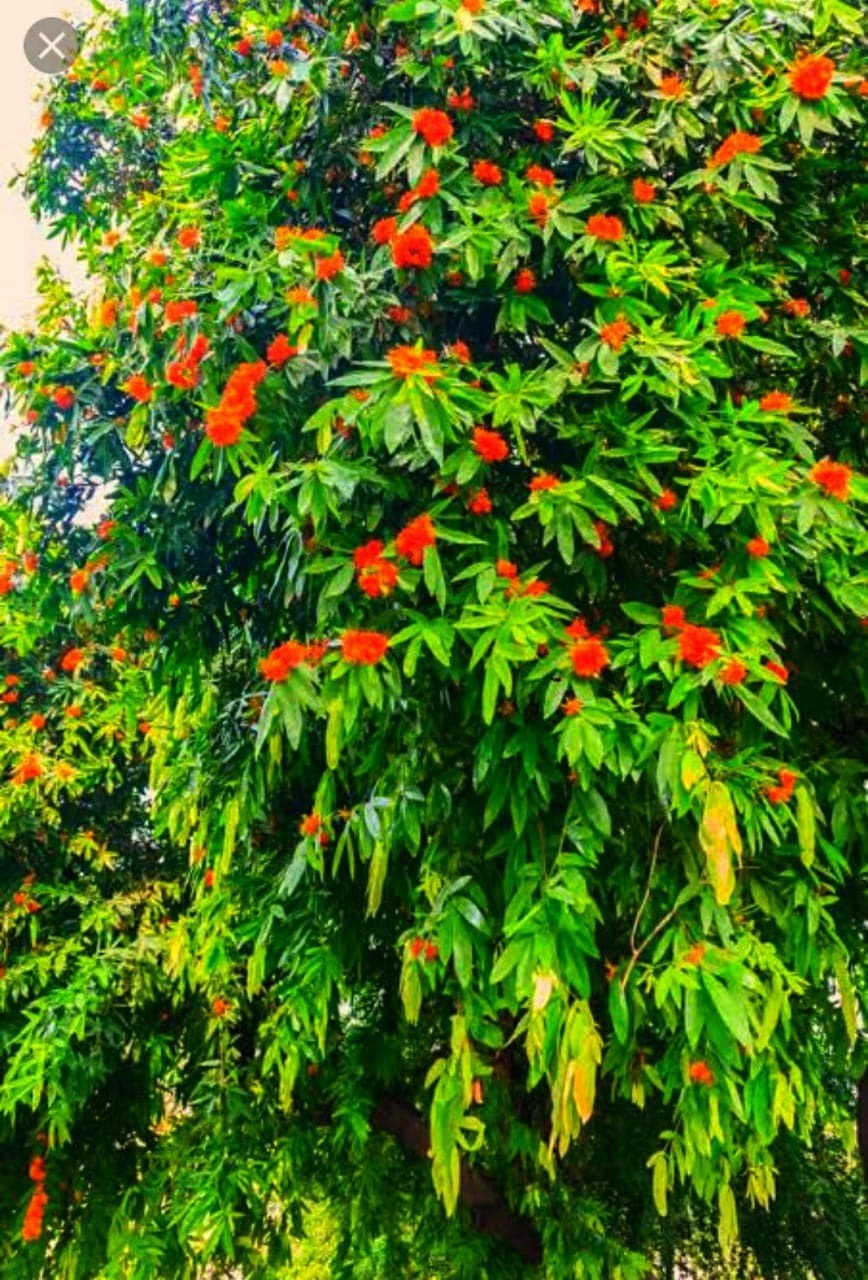
Ashoka is a beautiful evergreen tree of about 25-30 feet height.
Saraca asoca · Fabaceae
Ashoka is a beautiful evergreen tree of about 25-30 feet height.
Scientific Name
Saraca asoca
Family
Fabaceae
Hindi Name
Asoka
Used Part
Twak (bark ), Beej (seed )
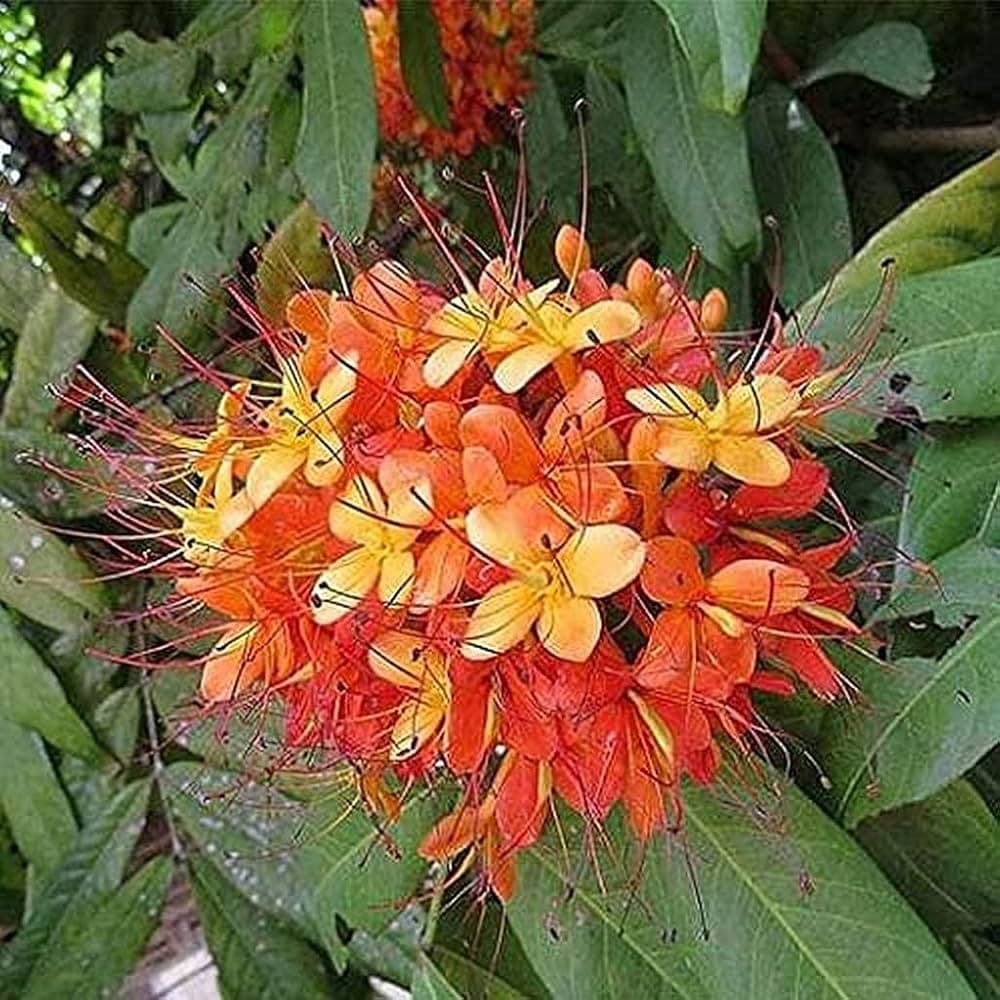
Morphology and field-identification notes as documented in our Dravyaguna library.
Ashoka is a beautiful evergreen tree of about 25-30 feet height. Ashoka leaves are dark green, alternate, paripinnate compound, stipulate, large and spreading horizontally about 3-6 inches long and 2.5 inches wide. Flowers are fragrant, bisexual, orange-colored with 7-8 stamens in a large bunch. Fruits are legumes that are smooth, leathery and flat pods tapered at both ends having 6-8 seeds abou12-20 cm long and 5 cm in width. Seeds are flat and about 1.5 inches long.
The five-fold framework Ayurveda uses to describe a drug — Rasa, Guna, Vipaka, Veerya and its effect on the doshas.
Kashaya , Tikta
The primary taste perceived on the tongue.
Laghu, Ruksha
Physical and energetic attributes of the dravya.
Katu
Taste that emerges after complete digestion.
Kapha Pitta Samyakara
Effect on Vata, Pitta and Kapha doshas.
Sheeta
Heating (ushna) or cooling (sheeta) energy.
Hridya, Krimighna, Grahi, Varnya .
How modern science maps onto the classical understanding of this dravya.
Pharmacological Action
Astringent, Uterine sedative .
Phytoconstituents
Tannin (6%), Catechol, Epicatechin, Catechin, Hematoxylin, Ketosterol and Saponin. Ashoka Leaves contain various carbohydrates, tannins, gallic acid and egallic acid. Ashoka flowers are rich in saracasin, saracadin, waxy substances, proteins, carbohydrates and steroids. Ashoka Seeds contains various fatty acids like oleic, linoleic, palmitic and stearic acid.
Classical Ayurvedic indications drawn directly from the Dravyaguna tradition — paired with the preparations recommended in shastra.
01
Ashoka ghrita is indicated in vatavyadhi by Acharya Sushruta.
02
Ashoka twak kwatha (decoction of bark) cold milk in morning will check severe bleeding per vagina.
03
Ashoka bija churna (seed powder) with water relieves Mutraghata (retention of urine) and Ashmari (urinary calculus).
Always consult a qualified Ayurvedic physician before using any herb therapeutically. Dose, anupana and Prakriti-specific suitability matter.
Yoga / Kalpana
Common Ayurvedic preparations where Ashoka is a key ingredient.
Shastra Pramana
अशोकः शीतलास्तिक्तो ग्राही वर्ण्य कषायकः । दोषापचीतृषादाहकृमिशोष विषास्त्रजित् ।। (भा.प्र. पुष्पवर्ग 48) अशोक शीतलश्चार्शः कृमीन्हन्ति प्रयोजितः । अपचीं नाशयत्येव सर्वव्रणविनाशनः । अशोको मधुरो हृद्यः सन्धानीयः सुगन्धिकः ॥ (ध.नि. आम्लादिवर्ग 147-148)