Rasa (Taste)
Tikta, Kashaya,Katu
The primary taste perceived on the tongue.

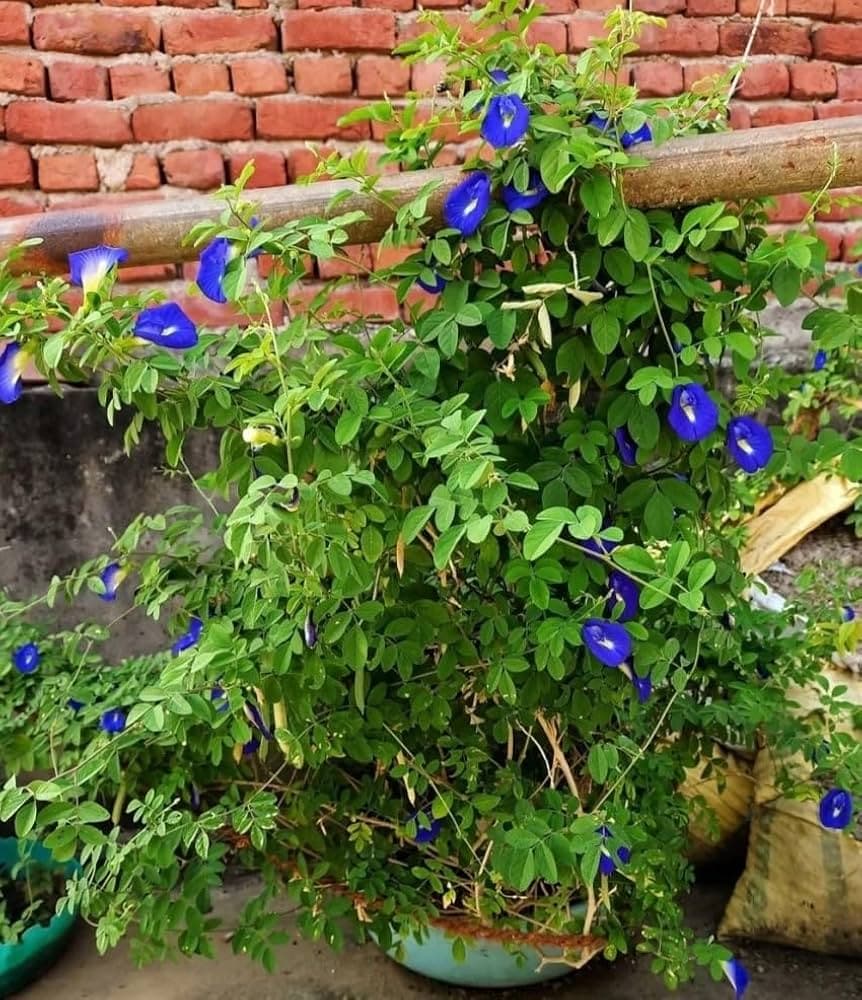
A climber spreading in all directions extensively.
Clitoria ternatea · Fabaceae
A climber spreading in all directions extensively.
Scientific Name
Clitoria ternatea
Family
Fabaceae
Hindi Name
Aparajita
Used Part
Moola (Root)
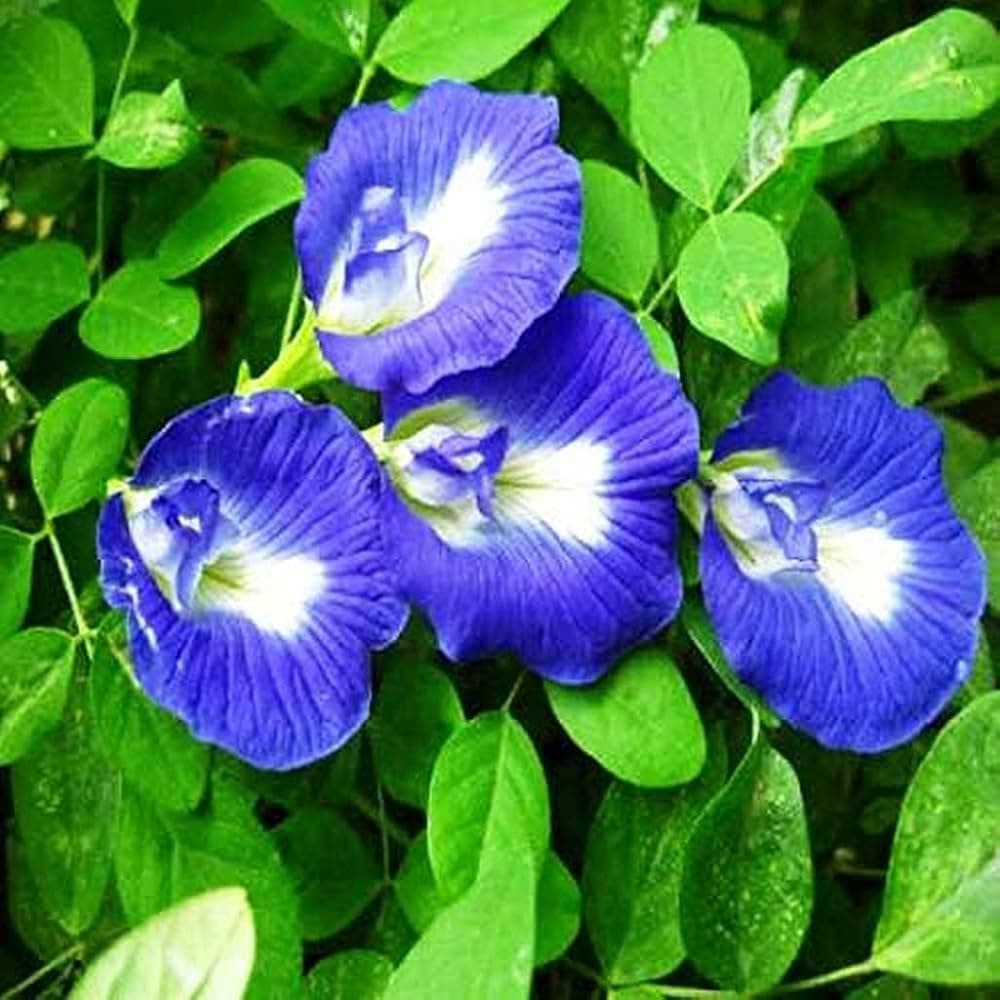
Morphology and field-identification notes as documented in our Dravyaguna library.
A climber spreading in all directions extensively. A plant with slender stems.Leaves: 4 inch long, petiole ¾ inch, stipules small lanceolate; leaflets 1-2 inch long, ovate or oblong.Flowers: solitary, axillary, bracteoles large. Calyx 3 inch, Corolla 1½-2 inch long, bright blue with an orange centre or white. Pod 2-4 inch, flattish, sparingly hairy, 6-10 seeded.
The five-fold framework Ayurveda uses to describe a drug — Rasa, Guna, Vipaka, Veerya and its effect on the doshas.
Tikta, Kashaya,Katu
The primary taste perceived on the tongue.
Laghu
Physical and energetic attributes of the dravya.
Katu
Taste that emerges after complete digestion.
Kaphavata Shamaka
Effect on Vata, Pitta and Kapha doshas.
Sheeta
Heating (ushna) or cooling (sheeta) energy.
Shothaghna, Pachana, Vedanasthapan, Bhedana, Kusthagna, Kanthya, Medhya, Chakshushya Visaghna, Buddhiprada, Vamaka, Virechaka
How modern science maps onto the classical understanding of this dravya.
Pharmacological Action
Nerve tonic
Phytoconstituents
Tannin, Starch, Resin, Taraxerol, Taraxerone.
Classical Ayurvedic indications drawn directly from the Dravyaguna tradition — paired with the preparations recommended in shastra.
01
(1) In all types of jalodara it is given for virecana. (2) In Sukrameha, bastisotha and mutrakrcchrata the root phanta is given. (3) In Ardhavabheda the swarasa of the white flowered plant is used, swarasa is used for nasyakarma. (4) In kasa and Svasa of children the seeds are warmed, powdered is mixed with guda and saindava in small quantity and administered to the children.This acts as a virechaka and evacuates the kapha, there by gives relief to the child. (5) In kapha diseases the root is given with milk. In twak roga the phanta of the patra is given.
Always consult a qualified Ayurvedic physician before using any herb therapeutically. Dose, anupana and Prakriti-specific suitability matter.
Yoga / Kalpana
Common Ayurvedic preparations where Aparajita is a key ingredient.
Shastra Pramana
आस्फोता गिरिकर्णीस्याद्विष्णुक्रान्ताऽपराजिता। अपराजिते कटु मेध्ये शीते कण्ठ्ये सुदृष्टिदे ।। कुष्ठमूत्रत्रिदोषामशोधव्रणविषापहे। कषाये कटुके पाके तिक्ते च स्मृतिबुद्धिदे।। (भा. नि.)