Rasa (Taste)
Madhura, Tikta
The primary taste perceived on the tongue.

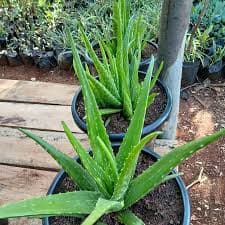
Kumari is cultivated extensively all over India as a commercial plant.Habit is perennial dwarf fleshy leaved plant.
Aloe barbadensis Mill. · Liliaceae
Kumari is cultivated extensively all over India as a commercial plant.Habit is perennial dwarf fleshy leaved plant.
Scientific Name
Aloe barbadensis Mill.
Family
Liliaceae
Hindi Name
Ghikanvar
Used Part
Patra (Leaves)
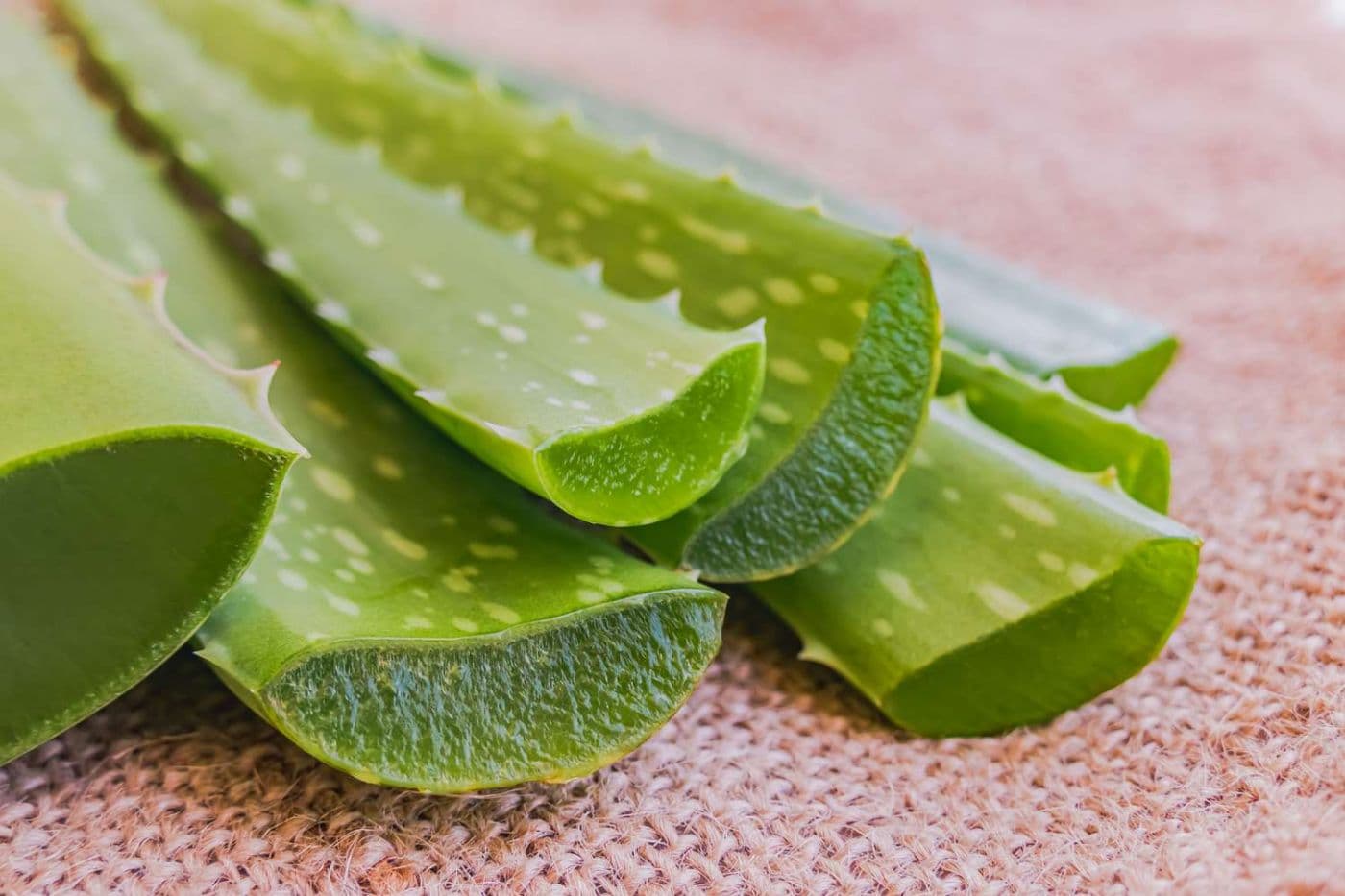
Morphology and field-identification notes as documented in our Dravyaguna library.
Kumari is cultivated extensively all over India as a commercial plant.Habit is perennial dwarf fleshy leaved plant. Stem is short and thick, somewhat divided.
Leaves are sessile, crowded, lanceolate, erect- spreading, concave, spiny toothed at the margin. Inflorescence racemes long and dense.Flowers are pendulus, yellow or orange coloured,
The five-fold framework Ayurveda uses to describe a drug — Rasa, Guna, Vipaka, Veerya and its effect on the doshas.
Madhura, Tikta
The primary taste perceived on the tongue.
Singdha, Picchila, Guru
Physical and energetic attributes of the dravya.
Katu
Taste that emerges after complete digestion.
Kaphapitta hara
Effect on Vata, Pitta and Kapha doshas.
Sheeta
Heating (ushna) or cooling (sheeta) energy.
Bhedana, Rasayana, Netrya, Brahmana, Balya, Vrashya, Vishahara, Jwarahara, Kushthaghna, Krimighna
How modern science maps onto the classical understanding of this dravya.
Pharmacological Action
Anti-inflammatory, Coolant, Laxative, Diuretic & Aphrodisiac
Phytoconstituents
The yellow latex part beneath the leaf rind mainly contains anthraquinones like aloin, responsible for laxative action, while the inner gel is rich in polysaccharides and soothing components.
Classical Ayurvedic indications drawn directly from the Dravyaguna tradition — paired with the preparations recommended in shastra.
01
In burns and skin irritation, fresh pulp of Kumari is applied locally for soothing and wound healing.
02
Kumari svarasa mixed with turmeric is useful in acne, pigmentation and skin inflammation.
03
Kumari juice is administered in constipation and Mandagni due to its mild rechana action.
04
Kumari is useful in menstrual disorders like delayed menstruation and painful menstruation.
05
Fresh Kumari gel applied on scalp helps in dandruff and dryness of hair.
Always consult a qualified Ayurvedic physician before using any herb therapeutically. Dose, anupana and Prakriti-specific suitability matter.
Yoga / Kalpana
Common Ayurvedic preparations where Kumari is a key ingredient.
Shastra Pramana
कुमारी भेदनी शीता तिक्ता नेत्र्या रसायनी । मधुरा बृंहणी बल्या वृष्या वातविषप्रणुत् ॥गुल्मप्लीहयकृवृद्धिकफज्वरहरी हरेत् । ग्रन्थ्यग्निदग्धविस्फोटपित्तरक्तत्वगामयान् ॥(भा.प्र.नि. गुडूच्यादि वर्ग 229-30)