Rasa (Taste)
Katu,Tikta
The primary taste perceived on the tongue.

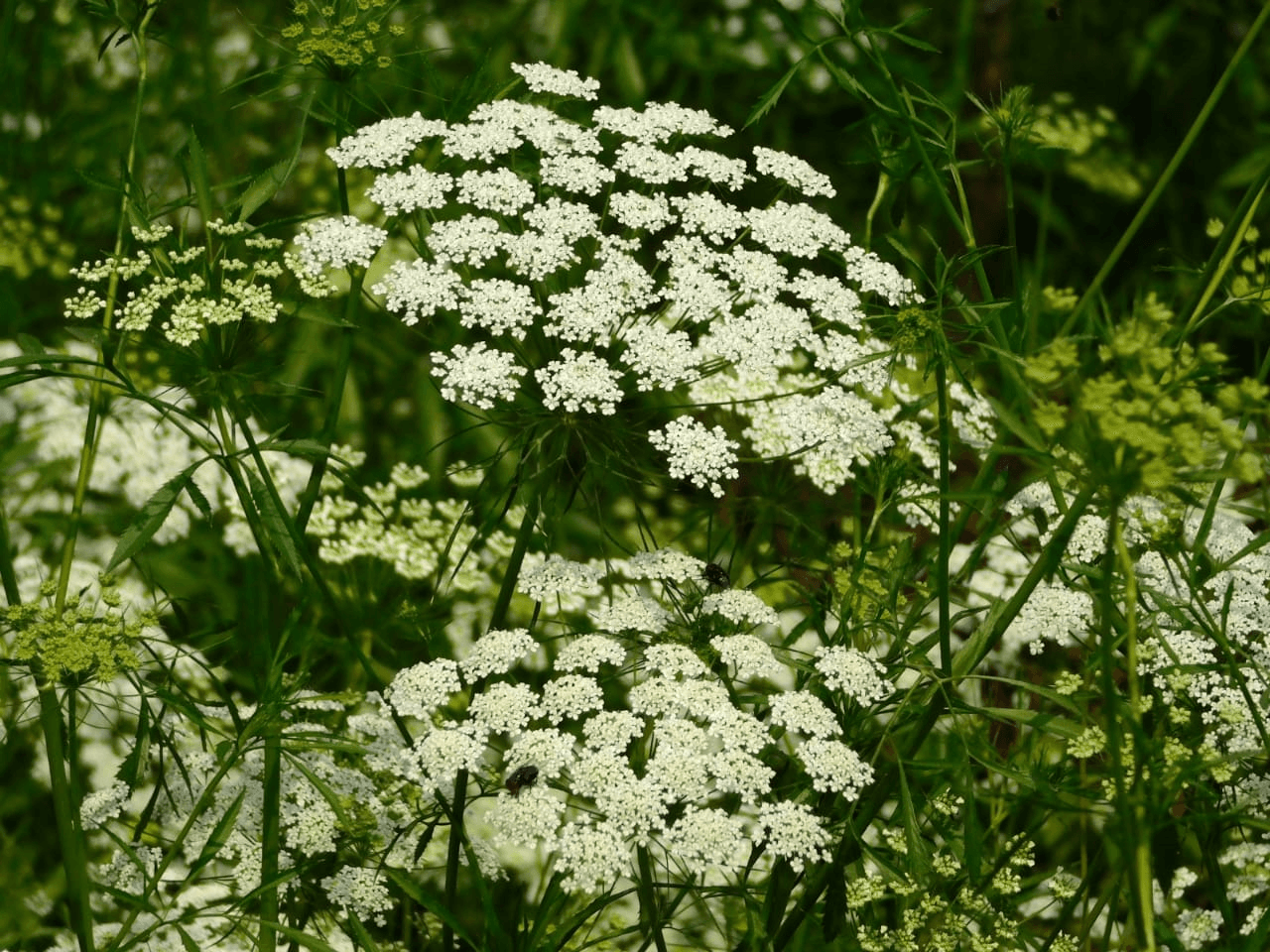
Biennial herb.
Carum roxburghianum · Apiaceae
Biennial herb.
Scientific Name
Carum roxburghianum
Family
Apiaceae
Hindi Name
Ajamoda
Used Part
Phala (Fruit)
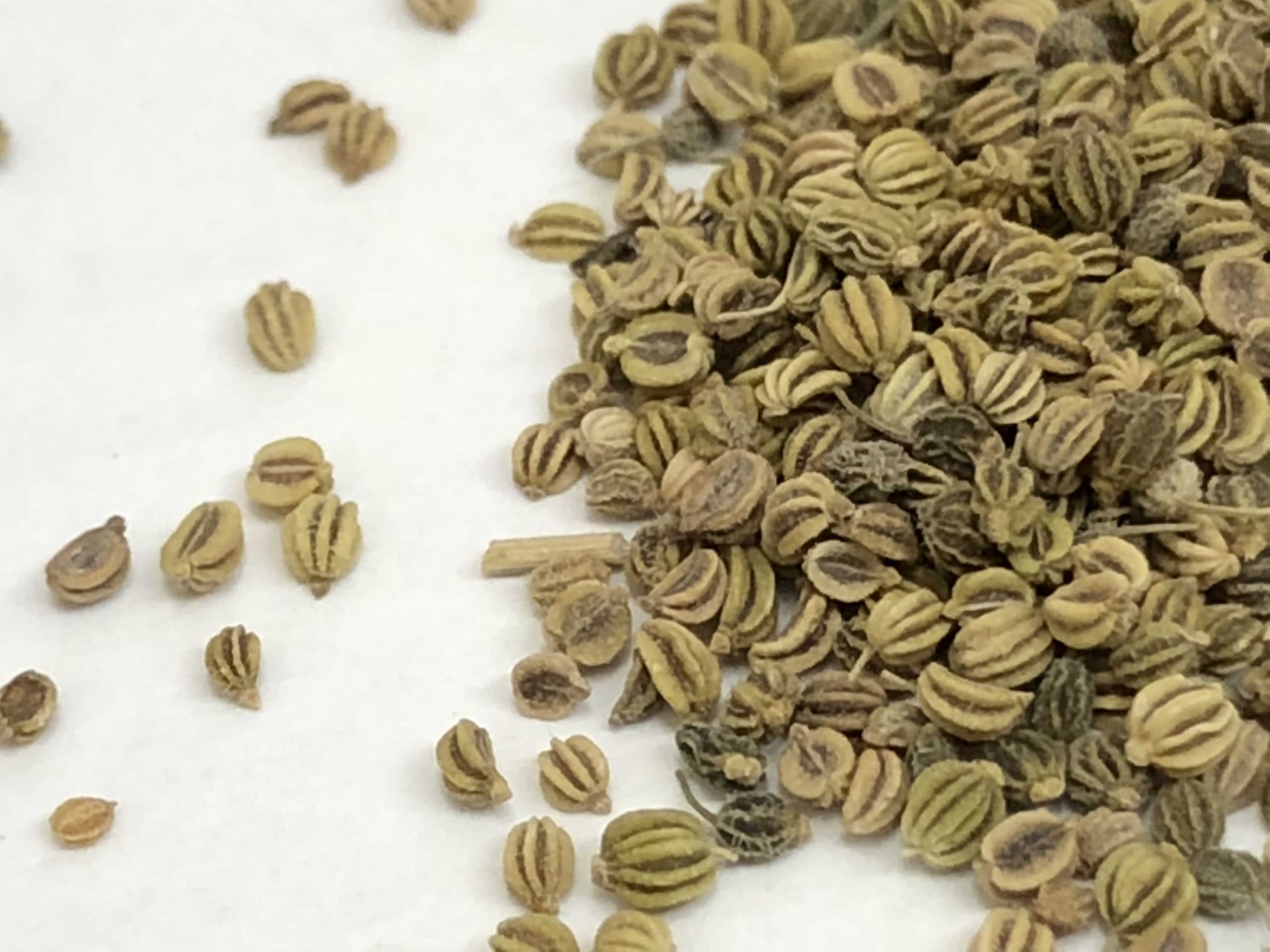
Morphology and field-identification notes as documented in our Dravyaguna library.
Biennial herb. stems 0.3-2.4 m, erect & branching. Leaves- radical leaves are pinnate with large deeply lobed segments. Cauline tripartite; segments once or twice trifid. Peduncle 6 mm. leaf-opposed. Flowers- in white umbels having 5-10 rays. Fruit- 1.5-2 mm.
The five-fold framework Ayurveda uses to describe a drug — Rasa, Guna, Vipaka, Veerya and its effect on the doshas.
Katu,Tikta
The primary taste perceived on the tongue.
Laghu,Ruksha, Tikshna
Physical and energetic attributes of the dravya.
Katu
Taste that emerges after complete digestion.
Kaphavatahara
Effect on Vata, Pitta and Kapha doshas.
Ushna
Heating (ushna) or cooling (sheeta) energy.
Dipana, Ruchikara, Shulahara, Hridya, Vrishya, Balya, Krimighna, Chardighna, Hikkanigrahana, Bastirujahara.
How modern science maps onto the classical understanding of this dravya.
Pharmacological Action
Carminative, Stimulant, Expectorant, Emmenagogue, Cardiotonic
Phytoconstituents
Seed- anthoxanthins, graveobioside A&B; luteolin; apiose-glycosider; myristicic acid; aprumetin umbelliferene, chrysoeriol.
Classical Ayurvedic indications drawn directly from the Dravyaguna tradition — paired with the preparations recommended in shastra.
01
Useful in Sashula Atisara (diarrhoea with pain). Milk mixed with ghee, honey, sugar, powder of Ajamoda , Katvanga (Ailanthes excelsa) and Mulethi is administered.
02
Combination of Devadaru , Ajamoda and honey is very useful in Vata vyadhi (Disorders of Vata) and Swarabheda (Hoarseness of voice).
Always consult a qualified Ayurvedic physician before using any herb therapeutically. Dose, anupana and Prakriti-specific suitability matter.
Yoga / Kalpana
Common Ayurvedic preparations where Ajamoda is a key ingredient.
Shastra Pramana
अजमोदा कटुस्तीक्ष्णा दीपनी कफवातनुत् । उष्णा विदाहिनी हृद्या वृष्या बलकरी लघुः ॥नेत्रामय कृमिच्छर्दिहिक्का बस्तिरुजो हरेत् ।। (भा.प्र. हरीतक्यादि वर्ग-78-79)