Rasa (Taste)
Tikta
The primary taste perceived on the tongue.

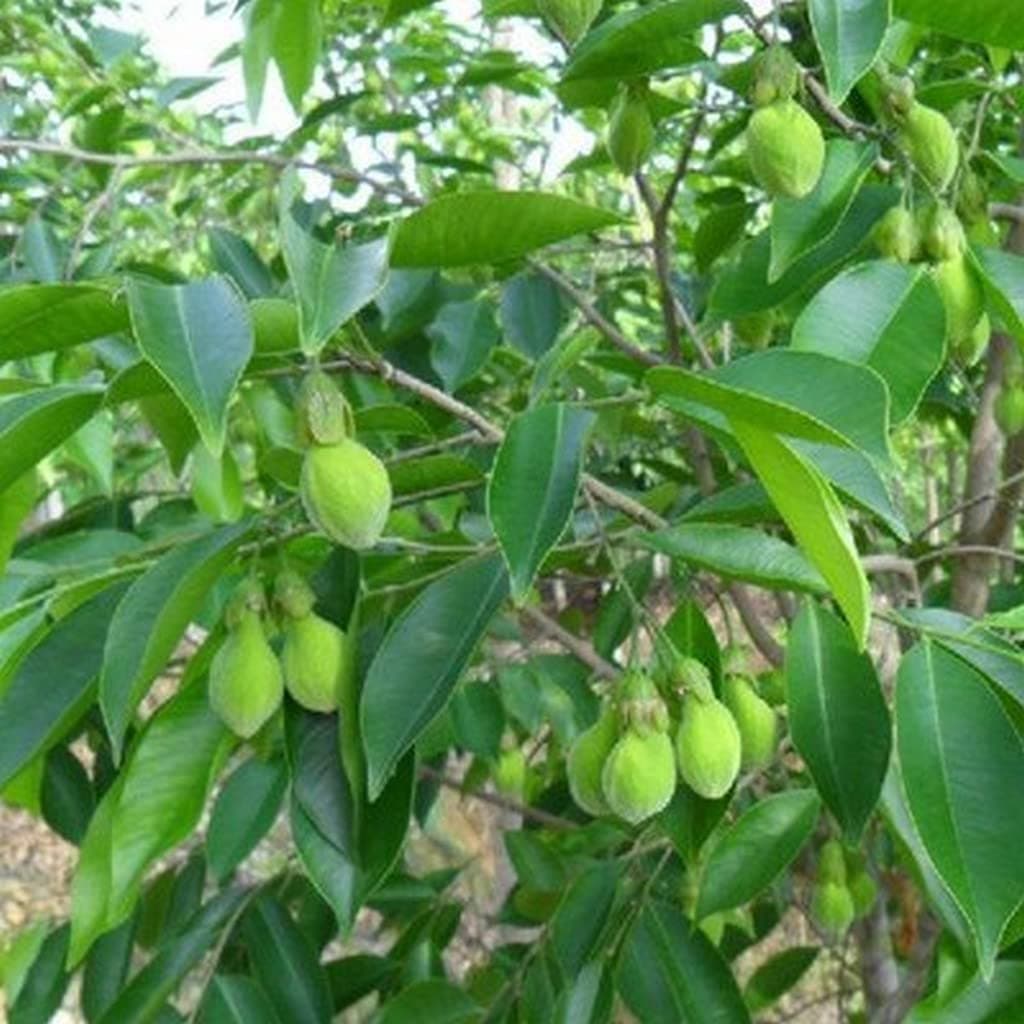
Aquilaria agallocha is a medium-sized evergreen tree.
Aquilaria agallocha · Thymelaeaceae
Aquilaria agallocha is a medium-sized evergreen tree.
Scientific Name
Aquilaria agallocha
Family
Thymelaeaceae
Hindi Name
Agar-Lakdi, Krishnagaru
Used Part
Resinous heartwood
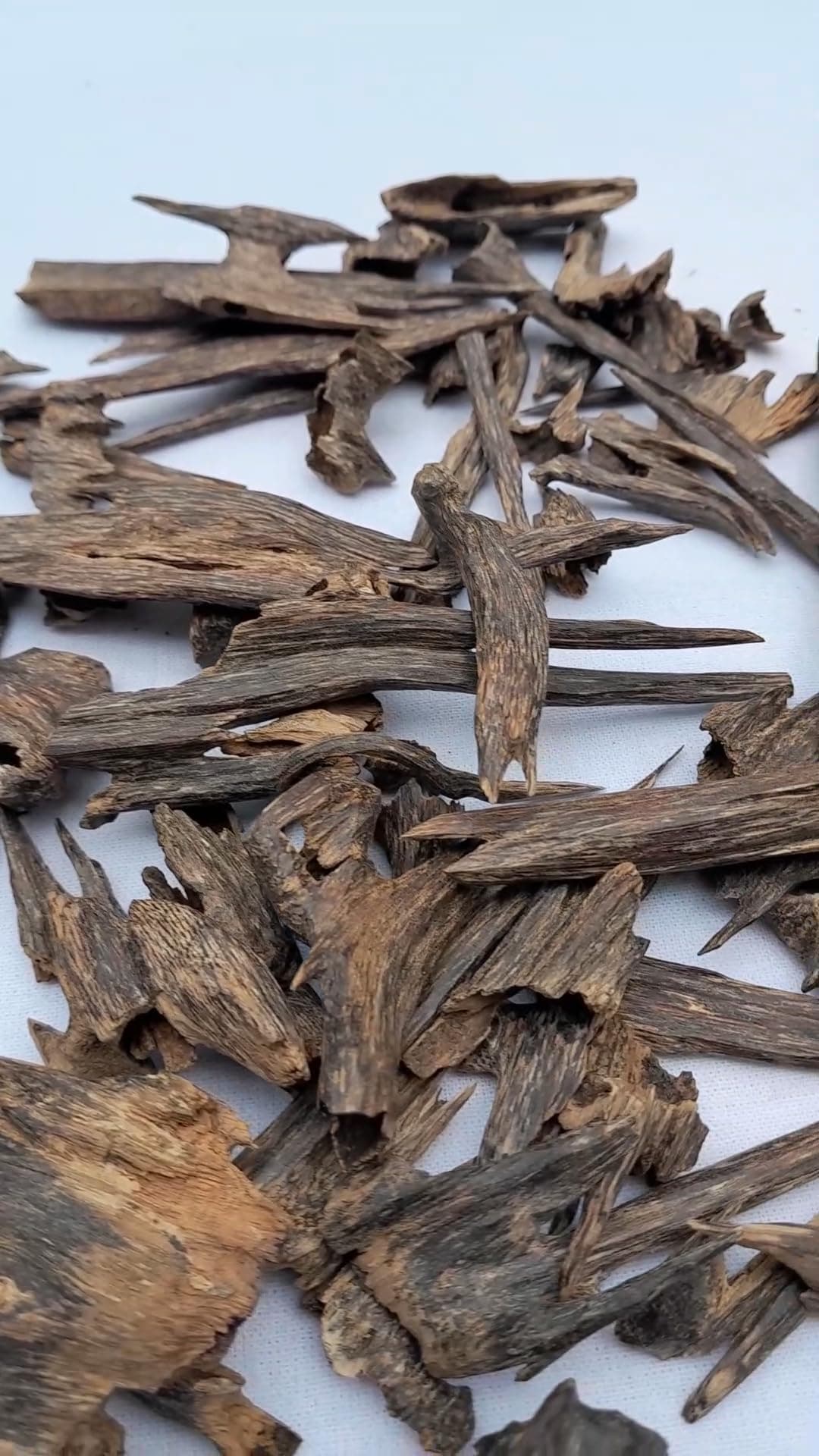
Morphology and field-identification notes as documented in our Dravyaguna library.
Aquilaria agallocha is a medium-sized evergreen tree.
It has alternate, elliptical leaves with a leathery texture.
The tree is primarily valued for the resin it produces, which forms in response to injury or infection.
The resin, when infected by a specific fungus, transforms into Agarwood, known for its distinctive and prized fragrance.
The five-fold framework Ayurveda uses to describe a drug — Rasa, Guna, Vipaka, Veerya and its effect on the doshas.
Tikta
The primary taste perceived on the tongue.
Laghu, Snigdha
Physical and energetic attributes of the dravya.
Katu
Taste that emerges after complete digestion.
Vata-Pitta-Kapha Shamak
Effect on Vata, Pitta and Kapha doshas.
Ushna
Heating (ushna) or cooling (sheeta) energy.
Twachya, Vranashodhana, Shwasahara, Vedanasthapana, Deepana & Pachana.
How modern science maps onto the classical understanding of this dravya.
Pharmacological Action
The primary chemical constituents responsible for Agarwood’s fragrance are volatile oils, including various sesquiterpenes and aromatic compounds. The chemical composition can vary greatly, contributing to the unique scents found in different Agarwood samples.
Phytoconstituents
Agaru (also known as Agarwood) is a highly valued fragrant wood packed with bioactive compounds, primarily sesquiterpenes and chromones, which provide significant anti-inflammatory, antioxidant, and anti-arthritic benefits.
Classical Ayurvedic indications drawn directly from the Dravyaguna tradition — paired with the preparations recommended in shastra.
01
Agarwood is highly prized in perfumery and incense-making due to its unique and long-lasting fragrance.
02
It is also used in traditional medicine and aromatherapy for its potential calming and therapeutic effects.
03
Agarwood chips or powder are used in incense sticks, oils, and perfumes.
04
Aromatic Qualities: The Aguru plant is primarily cultivated for its sweet and pleasant fragrance, which is often used in perfumes, scented oils, and potpourri.
05
Traditional Medicine: In traditional Chinese medicine, Aguru is used for its potential medicinal properties, including its ability to alleviate headaches and ease stress when used in aromatherapy.
06
Insect Repellent: The scent of Aguru is known to repel certain insects, making it useful in natural insect repellent products.
07
Cultural and Spiritual Significance: Aguru has cultural and spiritual significance in various Asian cultures, where it is used in religious ceremonies and rituals.
08
Ornamental Plant: Beyond its practical uses, Aguru is also grown as an ornamental plant for its attractive and fragrant flowers, which can enhance the beauty of gardens and landscapes.
09
Symbolism: In some cultures, Aguru symbolizes purity, love, and friendship, and it is sometimes used in bouquets and floral arrangements to convey these sentiments.
Always consult a qualified Ayurvedic physician before using any herb therapeutically. Dose, anupana and Prakriti-specific suitability matter.
Yoga / Kalpana
Common Ayurvedic preparations where Aguru is a key ingredient.
Shastra Pramana
अगुरु प्रवरं लोहं राजार्हं योगजं तथा ।वंशिकं कृमिजं वापि कृमिजग्धमनार्यकम् ॥ २० ॥अगुरूष्णं कटु त्वच्यं तicktं तीक्ष्णञ्च पित्तलम् ।लघु कर्णाक्षिरोगघ्नं शीतवातकफप्रणुत् ॥ २१ ॥कृष्णं गुणाधिकं तत्तु लोहवद्वारि मज्जति ।अगुरुप्रभवः स्नेहः कृष्णागुरुसमः स्मृतः ॥ २२ ॥(भा० प्र० नि०, कर्पूरादिवर्ग, श्लोक २०-२२)