Rasa (Taste)
Tikta, Kashaya
The primary taste perceived on the tongue.

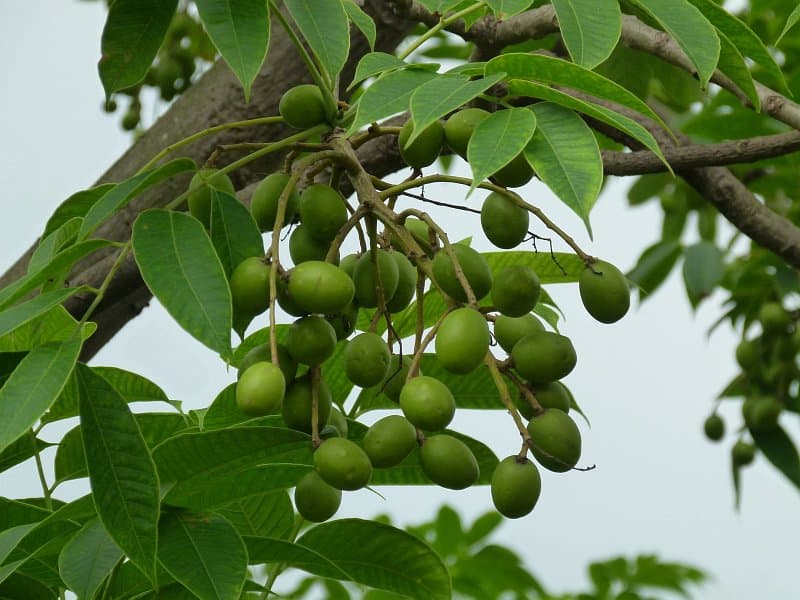
It is a tropical deciduous tree native to South and Central America.
Spondias mangifera · Anacardiaceae
It is a tropical deciduous tree native to South and Central America.
Scientific Name
Spondias mangifera
Family
Anacardiaceae
Hindi Name
Amra
Used Part
Panachanga
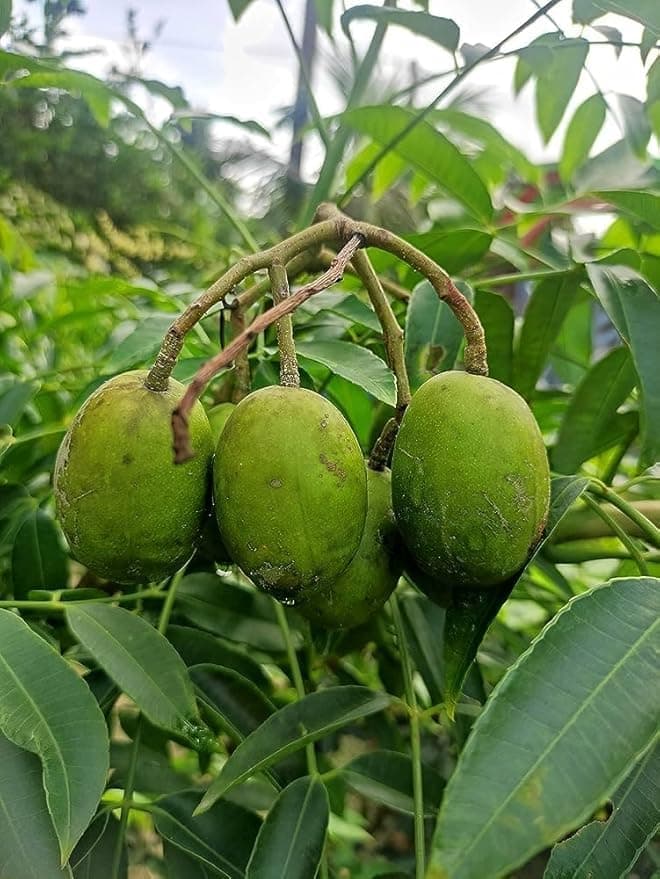
Morphology and field-identification notes as documented in our Dravyaguna library.
It is a tropical deciduous tree native to South and Central America. It typically reaches a height of 8-25 meters. The leaves are pinnately compound, and the tree bears small, yellow-green flowers, which develop into fleshy, oblong fruits resembling small mangoes. The fruit has a tart flavor and is often used in culinary preparations. The tree is well-adapted to hot, tropical climates and thrives in various soil types. of 8-25 meters. The leaves are pinnately compound, and the tree bears small, yellow-green flowers, which develop into fleshy, oblong fruits resembling small mangoes. The fruit has a tart flavor and is often used in culinary preparations. The tree is well-adapted to hot, tropical climates and thrives in various soil types.
The five-fold framework Ayurveda uses to describe a drug — Rasa, Guna, Vipaka, Veerya and its effect on the doshas.
Tikta, Kashaya
The primary taste perceived on the tongue.
Guru, Snigdha
Physical and energetic attributes of the dravya.
Madhura
Taste that emerges after complete digestion.
Pitta and Kapha Shamak
Effect on Vata, Pitta and Kapha doshas.
Ushna
Heating (ushna) or cooling (sheeta) energy.
Deepana, Pachana, Rochana, Hridya, Grahi, Balya, Vatanulomana .
How modern science maps onto the classical understanding of this dravya.
Pharmacological Action
It has anti-inflammatory and analgesic properties, making it useful for relieving pain and inflammation. Additionally, its antioxidant content can protect cells from oxidative stress. Some studies suggest potential antimicrobial effects as well.
Phytoconstituents
It contains various phytochemicals, including flavonoids, phenolic compounds, tannins, and ascorbic acid (vitamin C). These compounds contribute to its antioxidant properties and potential health benefits.
Classical Ayurvedic indications drawn directly from the Dravyaguna tradition — paired with the preparations recommended in shastra.
01
It offers a range of health benefits. Its tart fruit is a good source of vitamin C, which boosts immunity and aids in collagen formation.
02
The fruit's fiber content supports digestive health and may help alleviate constipation. It has been used traditionally to treat diarrhoea and dysentery due to its astringent properties.
03
The bark and leaves have been utilized in herbal remedies for skin conditions such as eczema and dermatitis. Its antimicrobial potential may help combat infections. However, it's important to note that while the fruit is generally safe for consumption, other parts of the tree may contain toxic compounds and should be used cautiously.
Always consult a qualified Ayurvedic physician before using any herb therapeutically. Dose, anupana and Prakriti-specific suitability matter.
Yoga / Kalpana
Common Ayurvedic preparations where Aamratak is a key ingredient.
Shastra Pramana
आम्रातकः पीतनश्च मर्कट आम्रः कपीतनः ।आम्रात मम्लं वातघ्नं गुरूष्णं रुचिकृत्सरम् ॥ १९ ॥पक्वन्तु तुवरं स्वादु रसे पाके हिमं स्मृतम् ।तर्पणं श्लेष्मलं स्निग्धं वृष्यं विष्टम्भि बृंहणम् ।गुरु बल्यं मरुत्पित्तक्षतदाहक्षयास्रजित् ॥ २० ॥(भा० प्र० नि०, आम्रादिफलवर्ग, श्लोक १९-२०)