
Department of Shalya Tantra
About the Department
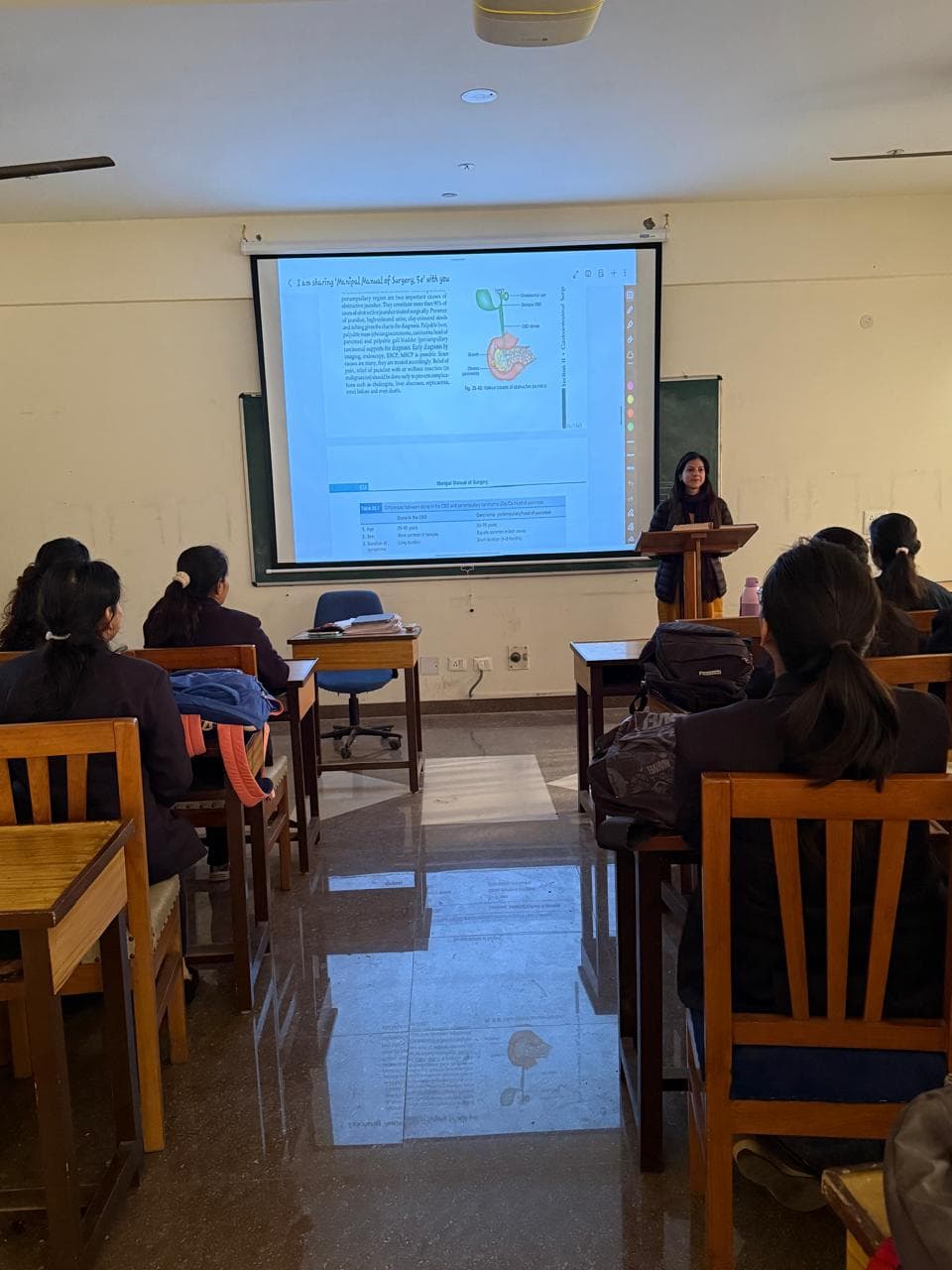
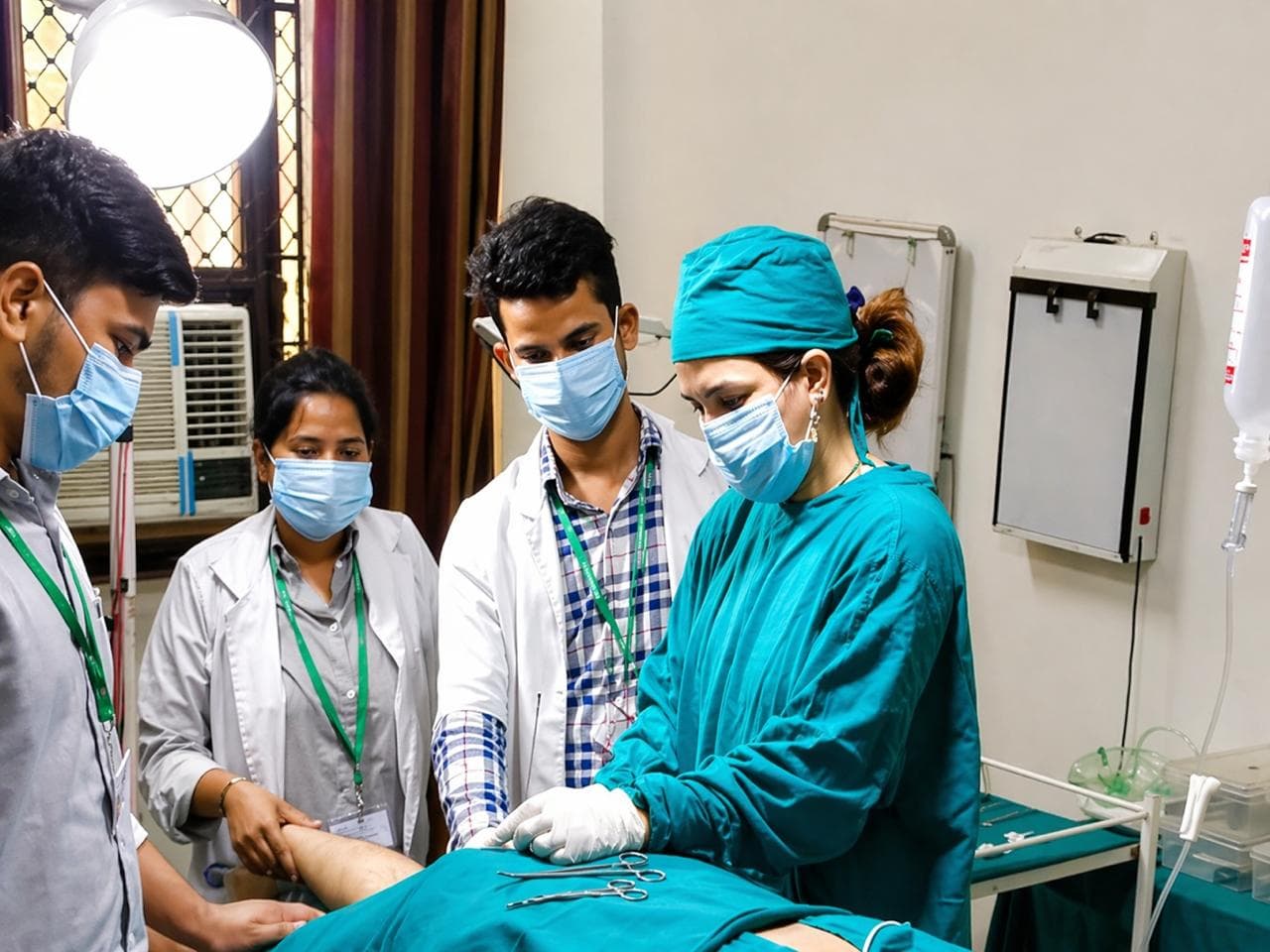
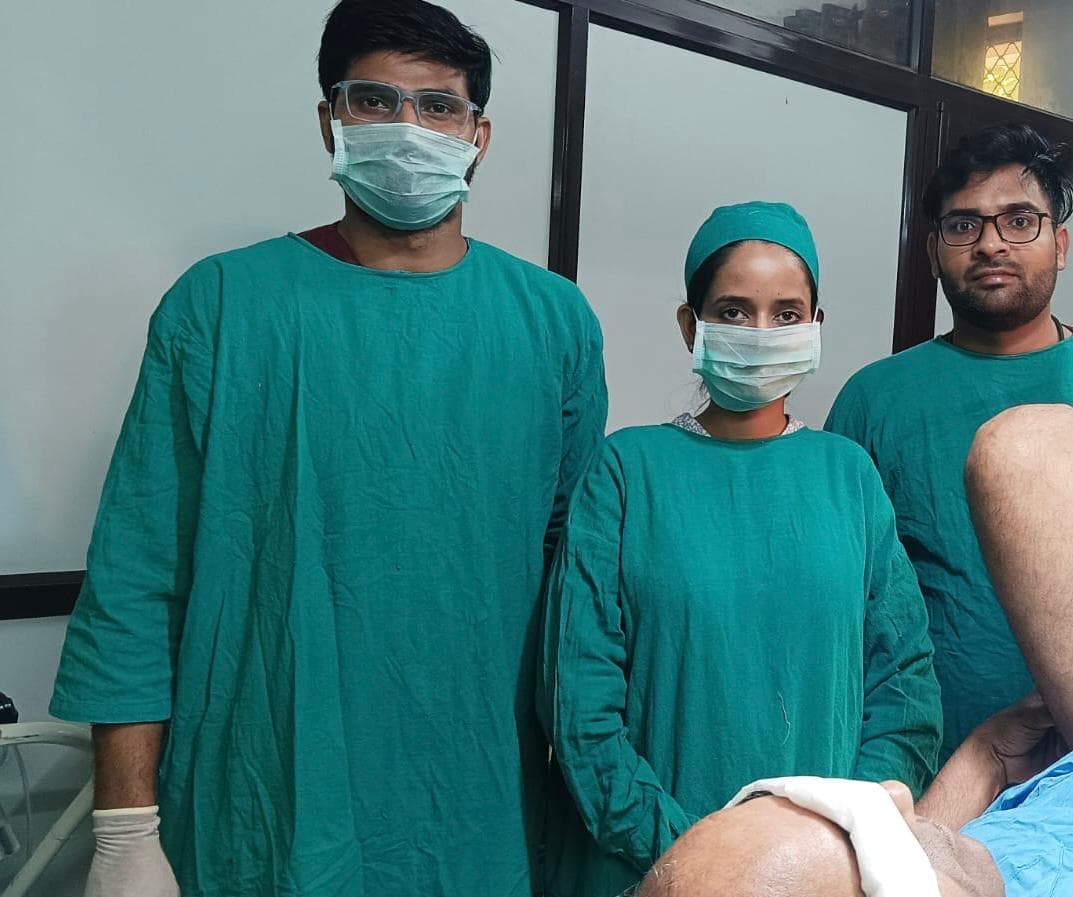
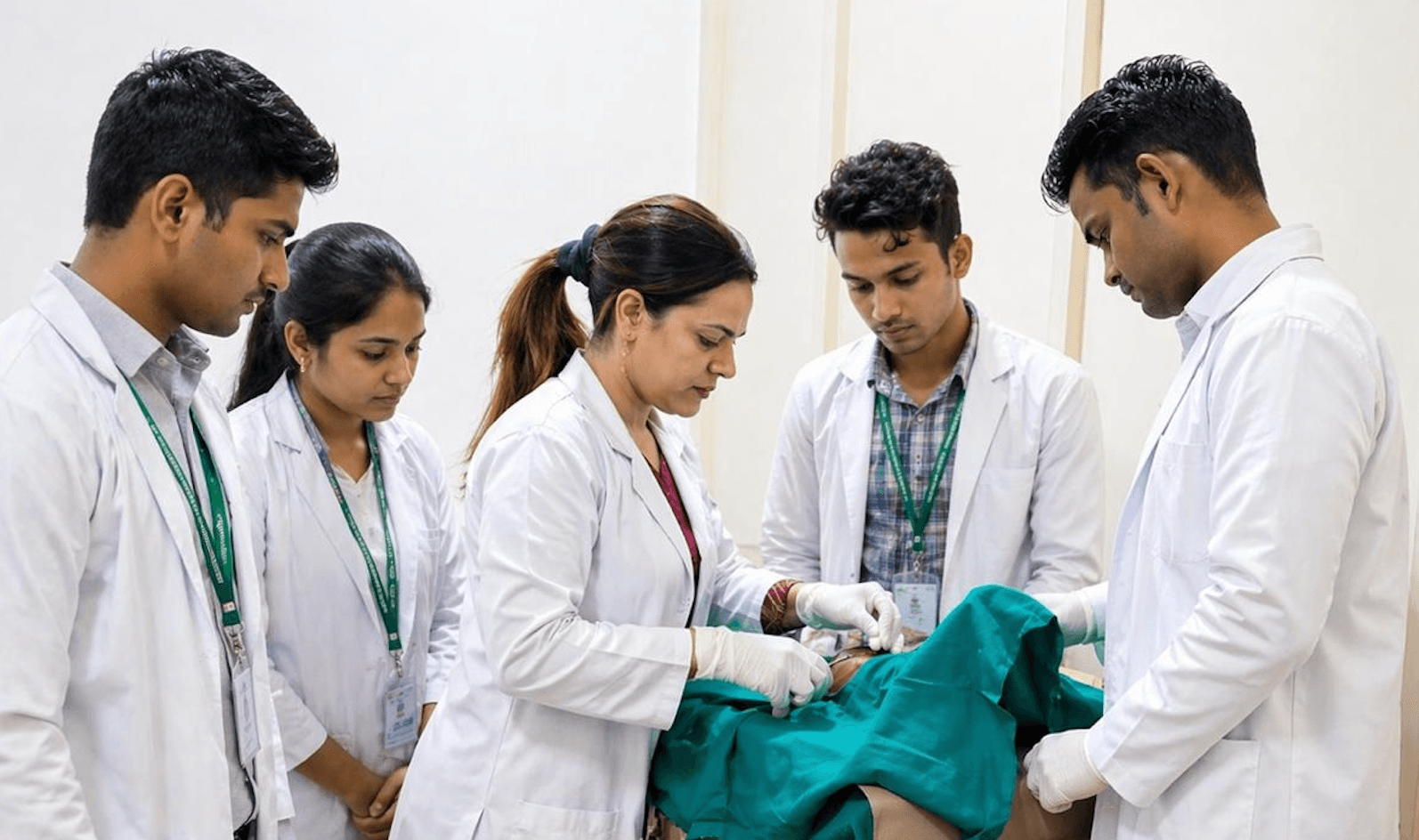
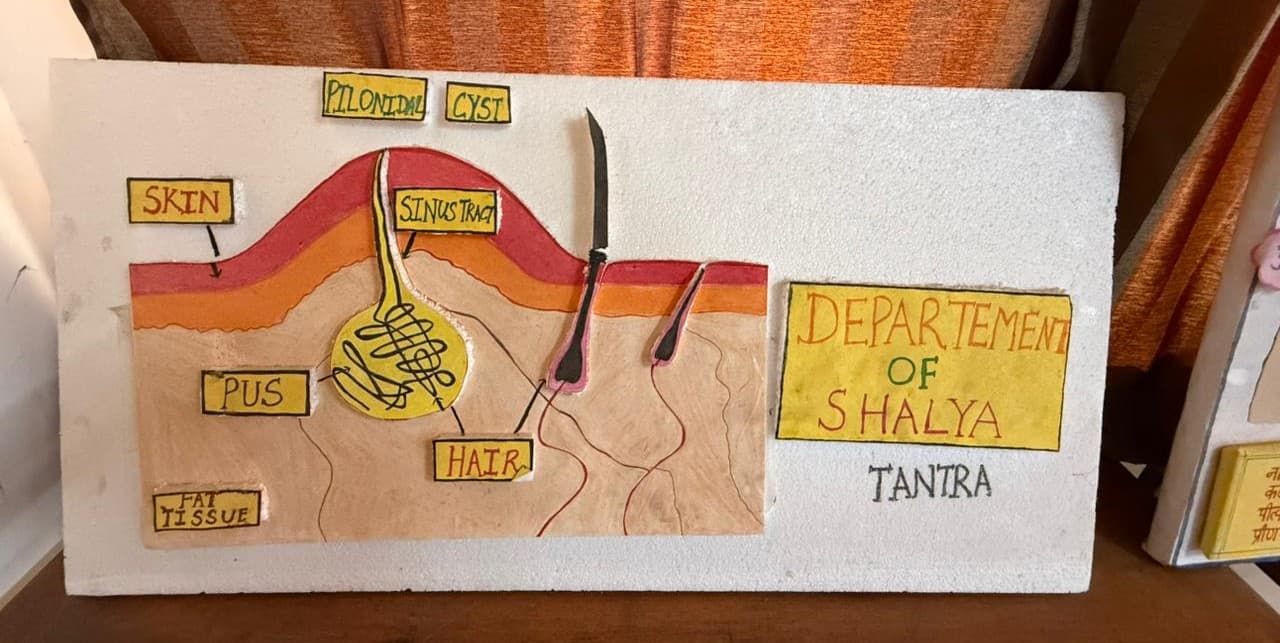
The Department of Shalya Tantra is a well-established clinical and academic unit dedicated to the practice of Ayurvedic surgery, integrating classical surgical principles with modern techniques for safe and effective patient care. Equipped with facilities such as a fully functional Anushastra Karma Room, Major and Minor Operation Theatres, and well-organized OPD and IPD services, the department provides comprehensive surgical management for a wide range of conditions. It emphasizes traditional Ayurvedic procedures like Kshar Karma and Agni Karma, along with modern surgical approaches. Through clinical exposure, demonstrations, and hands-on training, students develop strong surgical skills, clinical judgment, and a patient-centered approach, ensuring the delivery of holistic and quality healthcare.
Key Areas of Study
Principles and practices of Ayurvedic surgery
Shalya Tantra foundations and clinical applications
Para-surgical procedures
Kshar Karma and Agni Karma
Integration of surgical techniques
Ayurvedic and modern surgical approaches combined
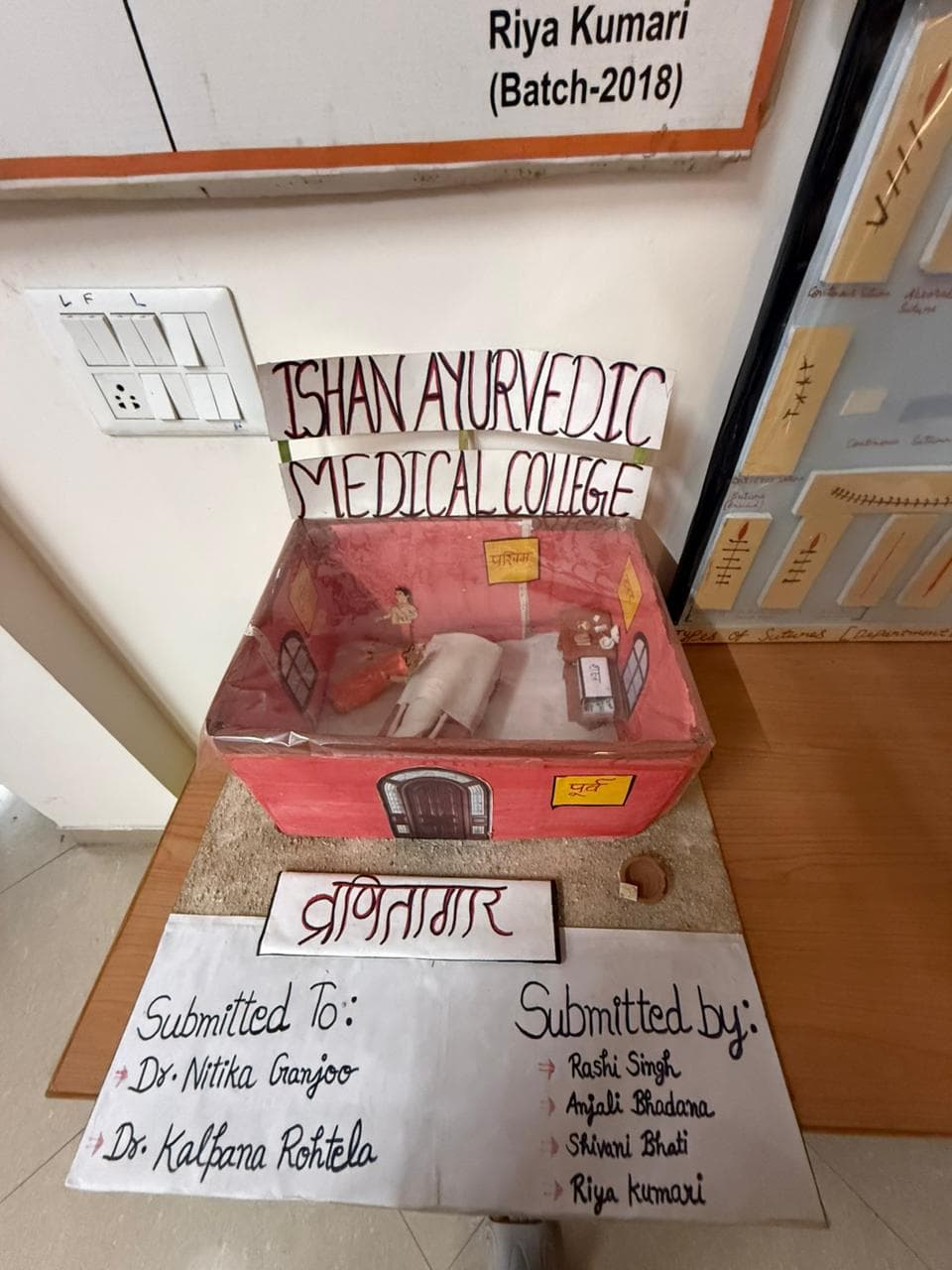
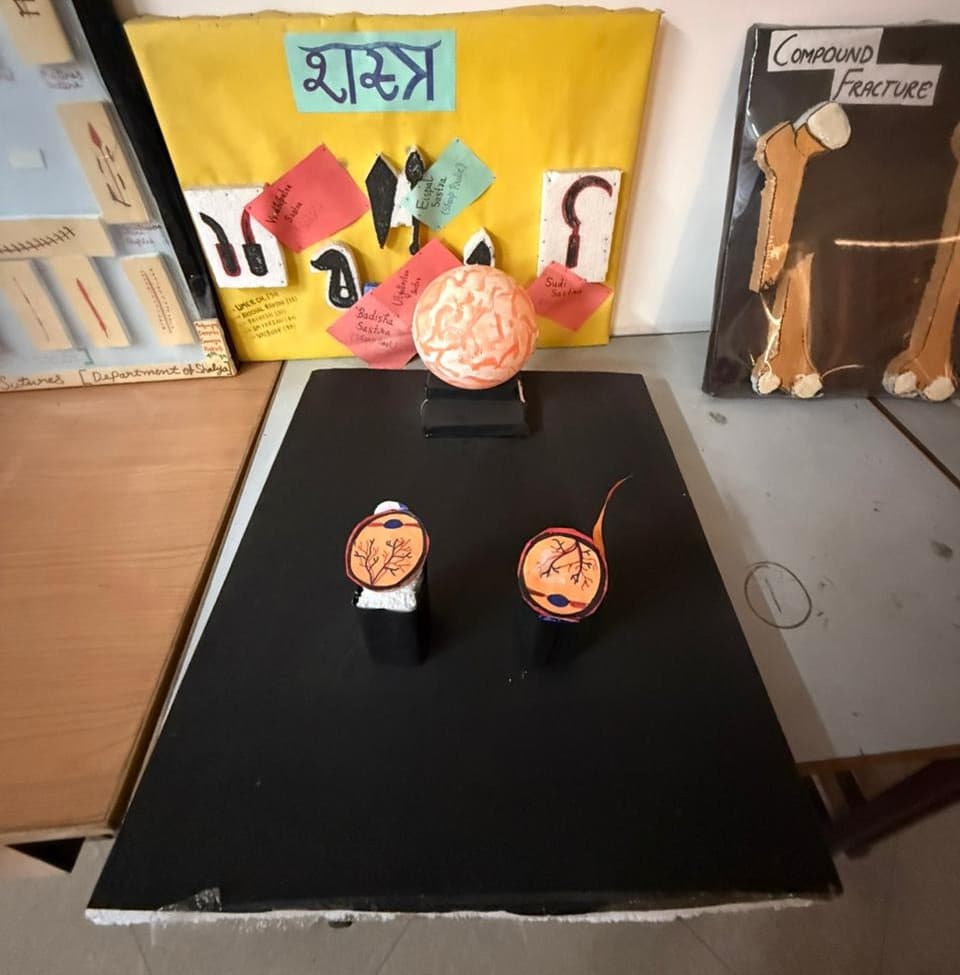
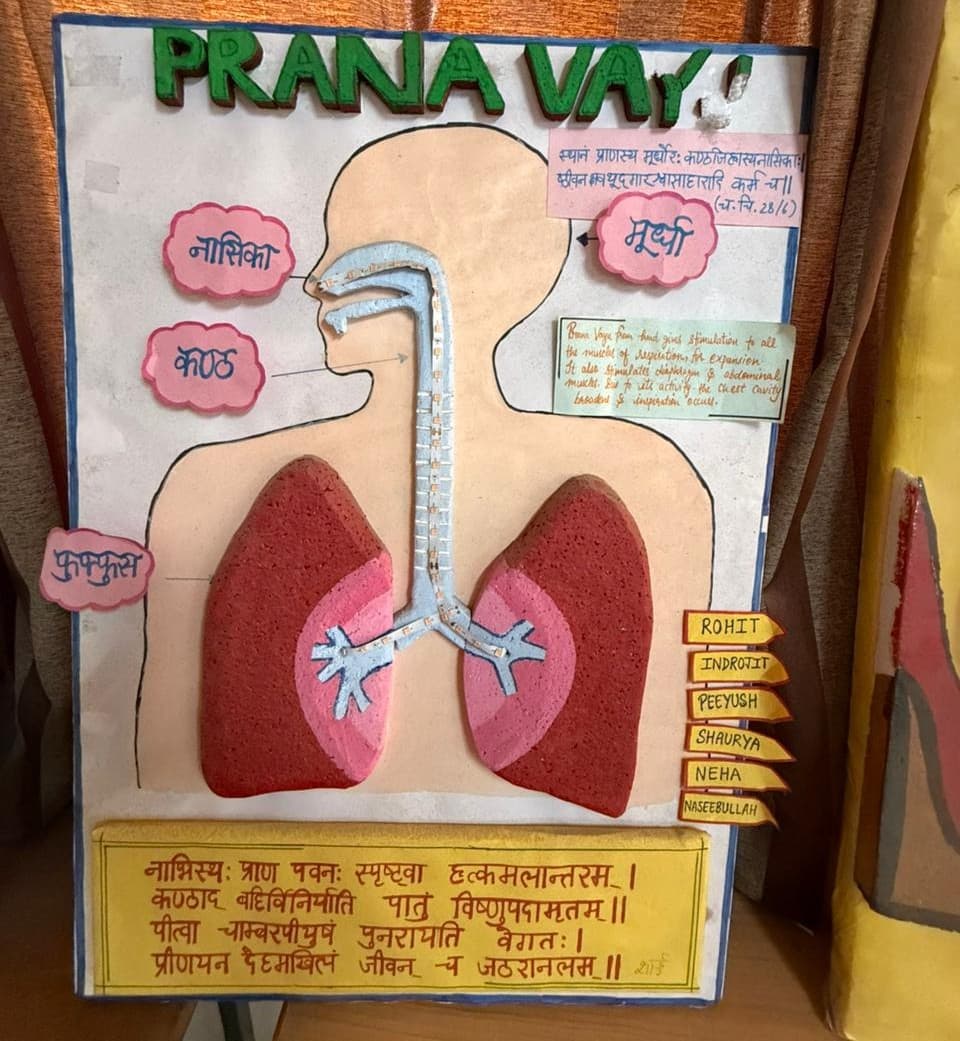
Departmental Lab
(for Clinical and Practical Training)
Hands-on training in surgical and para-surgical procedures
Clinical exposure in OPD, IPD, and Operation Theatres
Diagnosis and management of surgical conditions
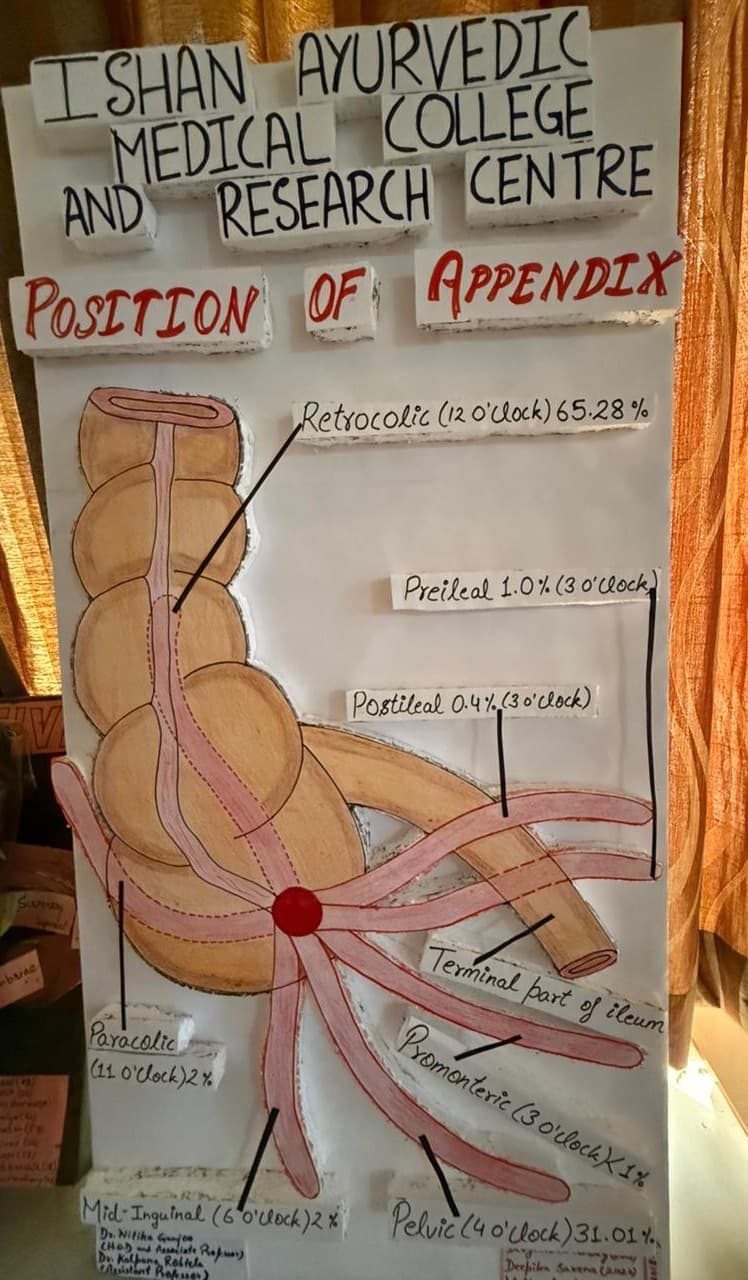
Programme Learning Outcomes (POs)
Demonstrate comprehensive knowledge and application of the Trisutra concept to explore root causes, identify clinical manifestations of disease, treat ailments, and maintain health.
Demonstrate knowledge and skills in Ayurveda through the integration of multidisciplinary perspectives and careful clinical and practical observation.
Demonstrate proficiency in holistic and individualized assessment for rational decision-making in disease management and health maintenance.
Perform procedures and therapeutic maneuvers with skill and dexterity in diverse clinical situations.
Demonstrate knowledge, skills, and professional attitudes required to provide holistic and quality healthcare.
Exhibit ethical conduct, compassion, and virtuous behavior to enhance the well-being of individuals and society.
Demonstrate self-directed learning for continuous advancement of knowledge and contribution to healthcare and societal well-being.
Demonstrate effective communication skills with patients, families, communities, and professional peers.
Demonstrate an understanding of the roles and skills required as a practitioner, researcher, and academician, along with the aspiration to excel in these domains.
Course Outcomes (COs)
Shalya Tantra
Diagnose common surgical conditions described in Shalya Tantra using clinical examination and relevant modern diagnostic tools.
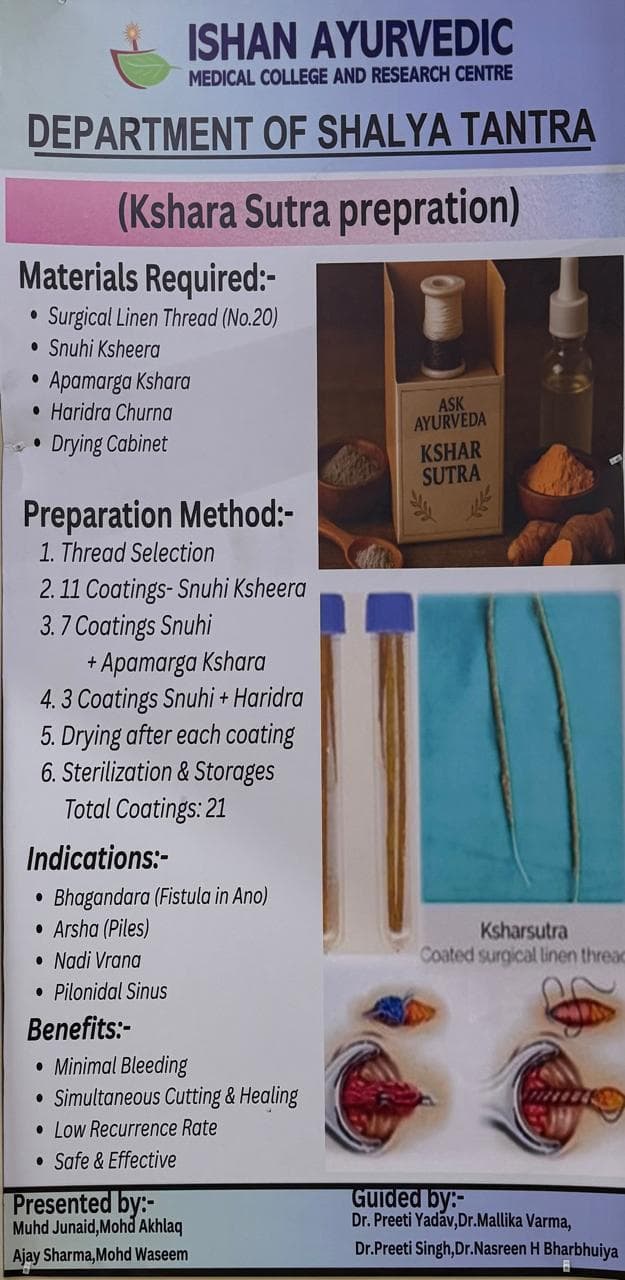
Demonstrate and perform basic surgical and para-surgical procedures, such as incision, drainage, suturing, Ksharasutra application, and wound management under supervision.
Provide patient-centered care by effectively communicating diagnosis, treatment plans, and post-operative instructions.
Integrate principles of Shalya Tantra with modern surgical practices in the management of common surgical disorders.
Select appropriate treatment modalities (Ayurvedic or modern) based on clinical condition, patient needs, and limitations of each system.
Recognize and initiate management of surgical emergencies (e.g., trauma, hemorrhage, acute abdomen) and perform timely referral.
Exhibit ethical practice, surgical discipline, teamwork, and commitment to continuous learning in Shalya Tantra.
Perform and understand indications of para-surgical procedures like Agnikarma, Raktamokshana, and Kshara Karma.
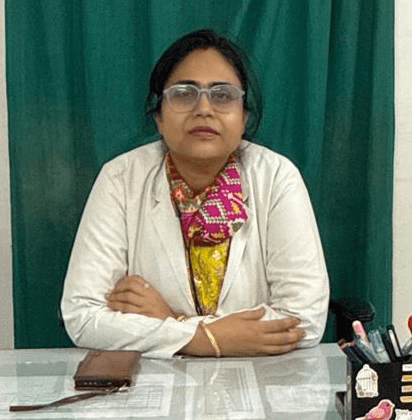
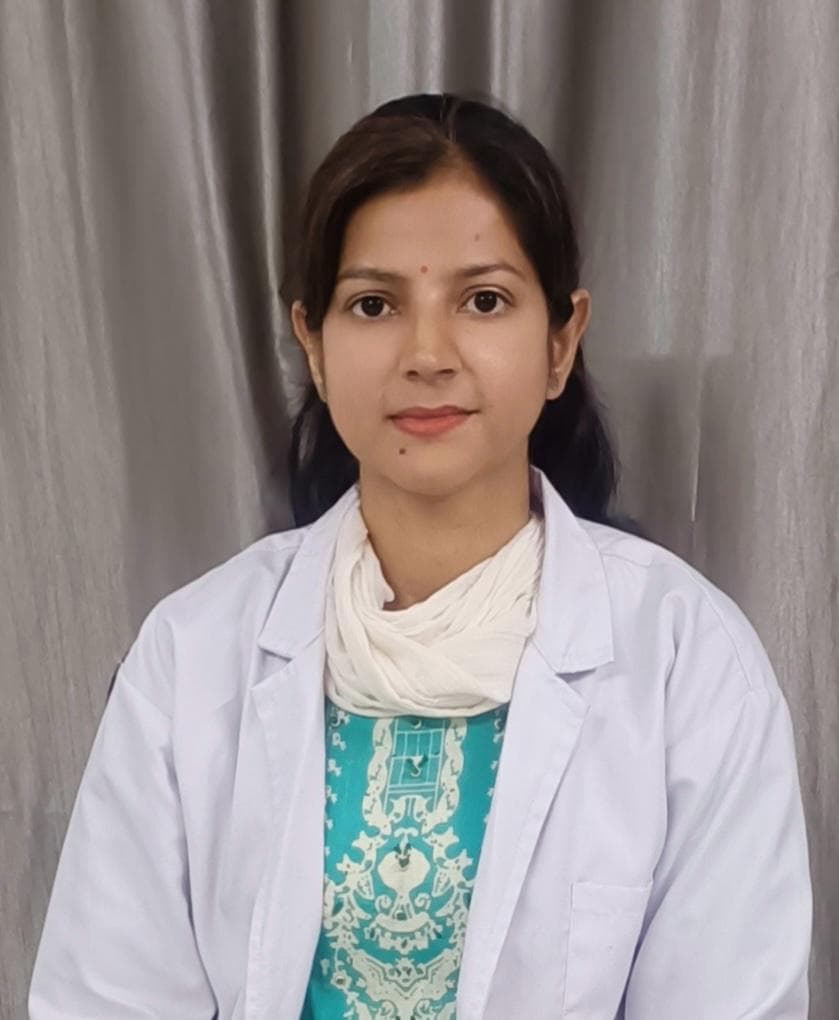
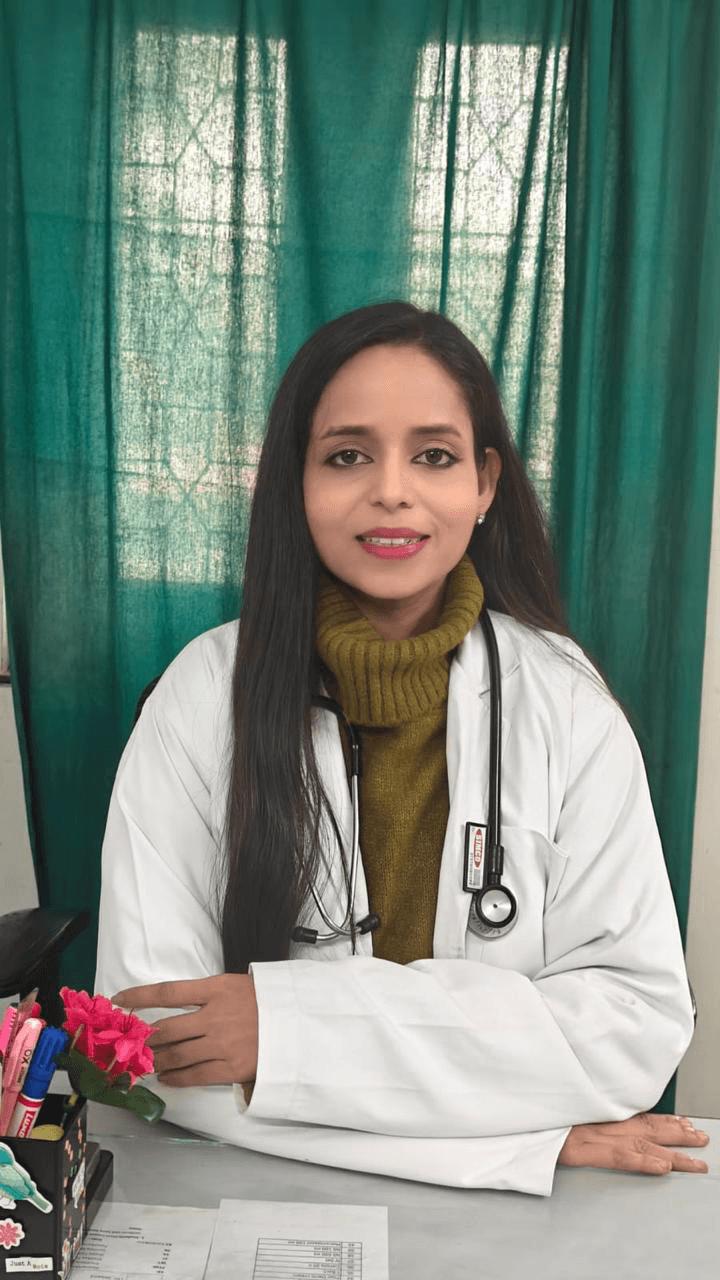
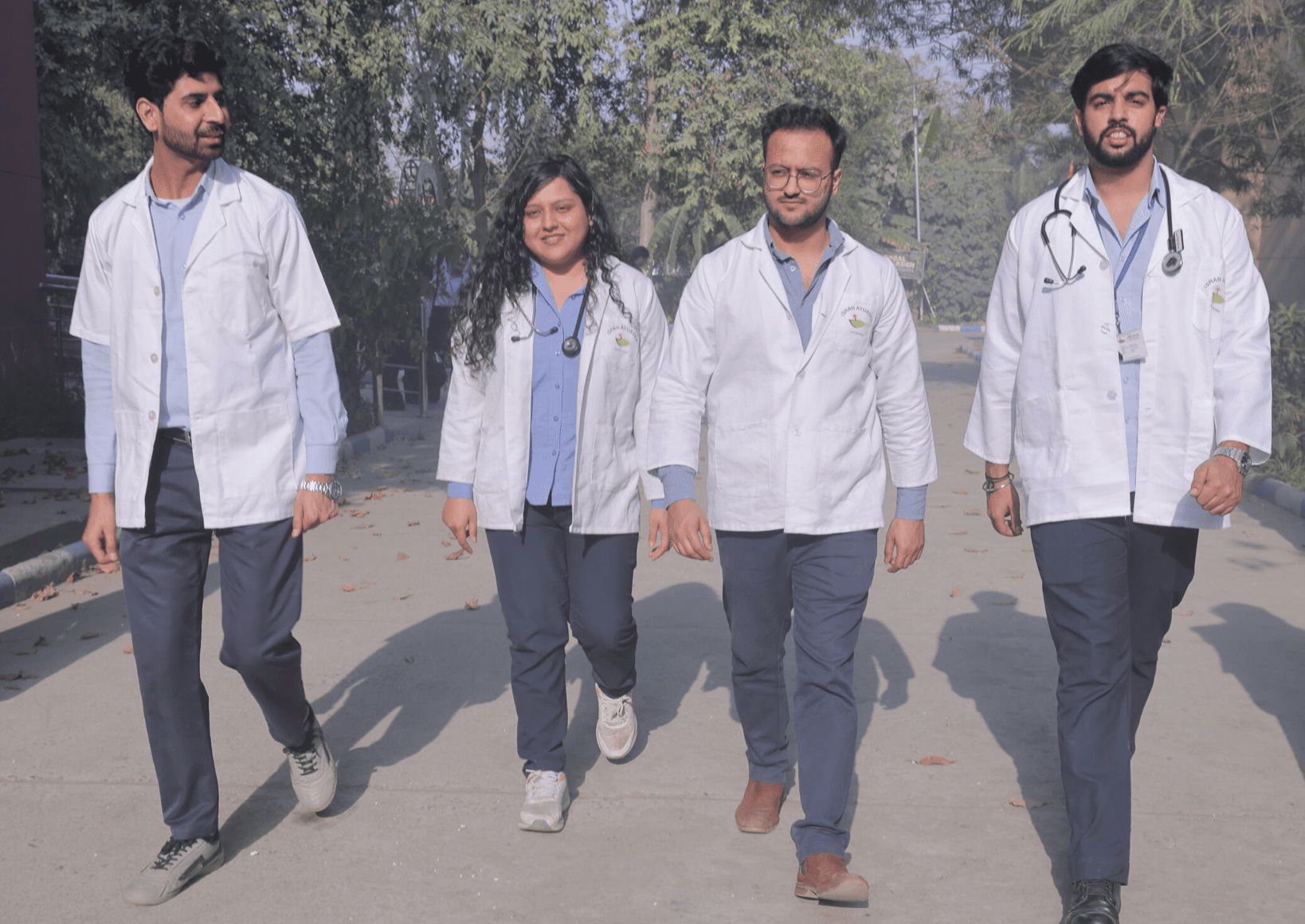
Our Esteemed Faculty
Scholars who guide the next generation with depth, dedication, and lived expertise.
Access detailed syllabus and curriculum structure
Get the complete academic blueprint—course outlines, learning outcomes, reading lists, and assessment frameworks.