
Department of Shalakya Tantra
About the Department
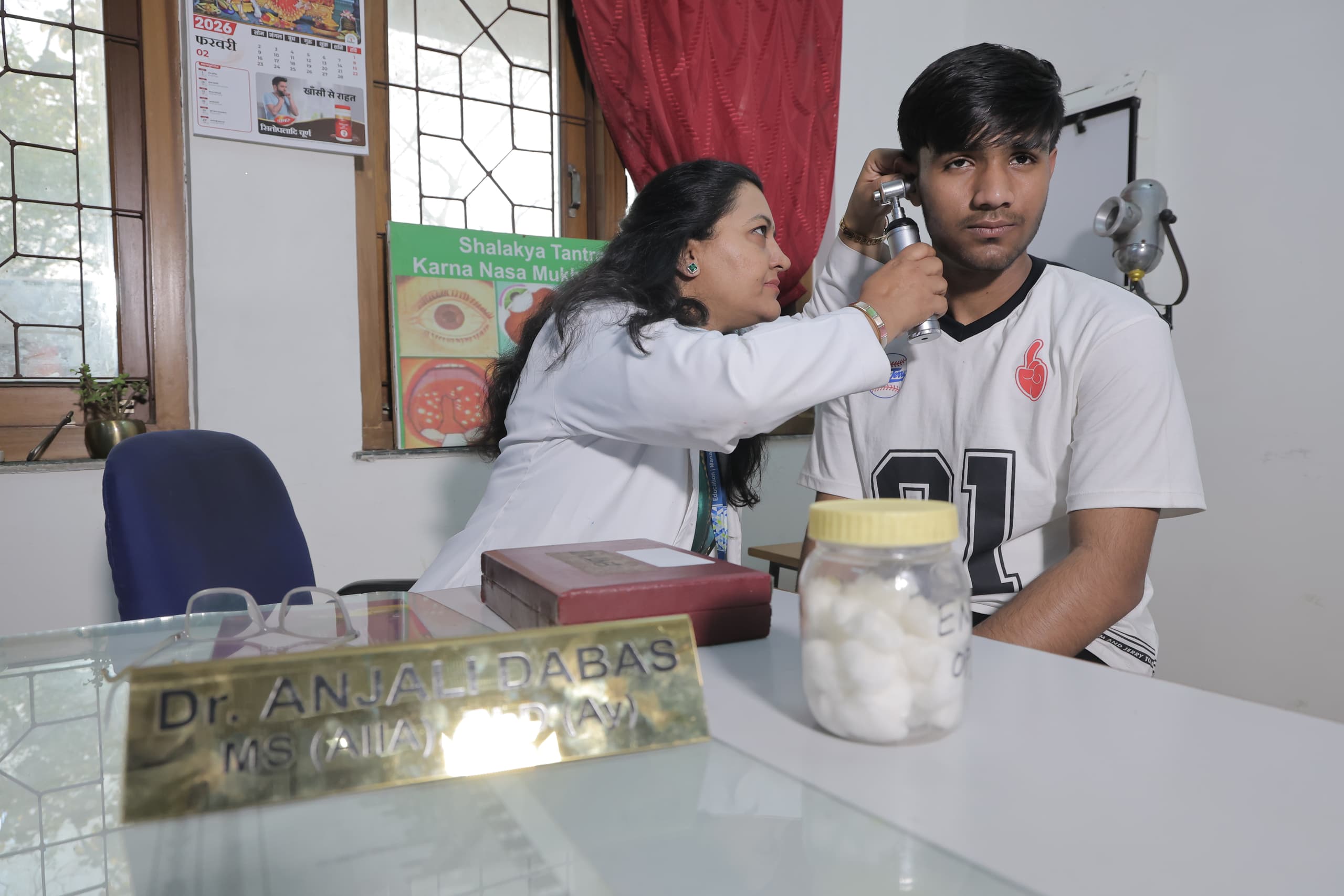
The Department of Shalakya Tantra specializes in the diagnosis and treatment of diseases related to the eyes, ears, nose, throat, and oral cavity. It combines Ayurvedic principles with modern diagnostic techniques, focusing on clinical examination, therapeutic procedures, and patient care to ensure holistic treatment outcomes.
Key Areas of Study
Netra, Karna, Nasa, Mukha disorders
Eye, ear, nose, throat, and oral cavity conditions
Diagnostic methods (Nidana Panchaka)
Classical and modern diagnostic approaches
Ayurvedic and modern treatment approaches
Clinical case analysis and prognosis
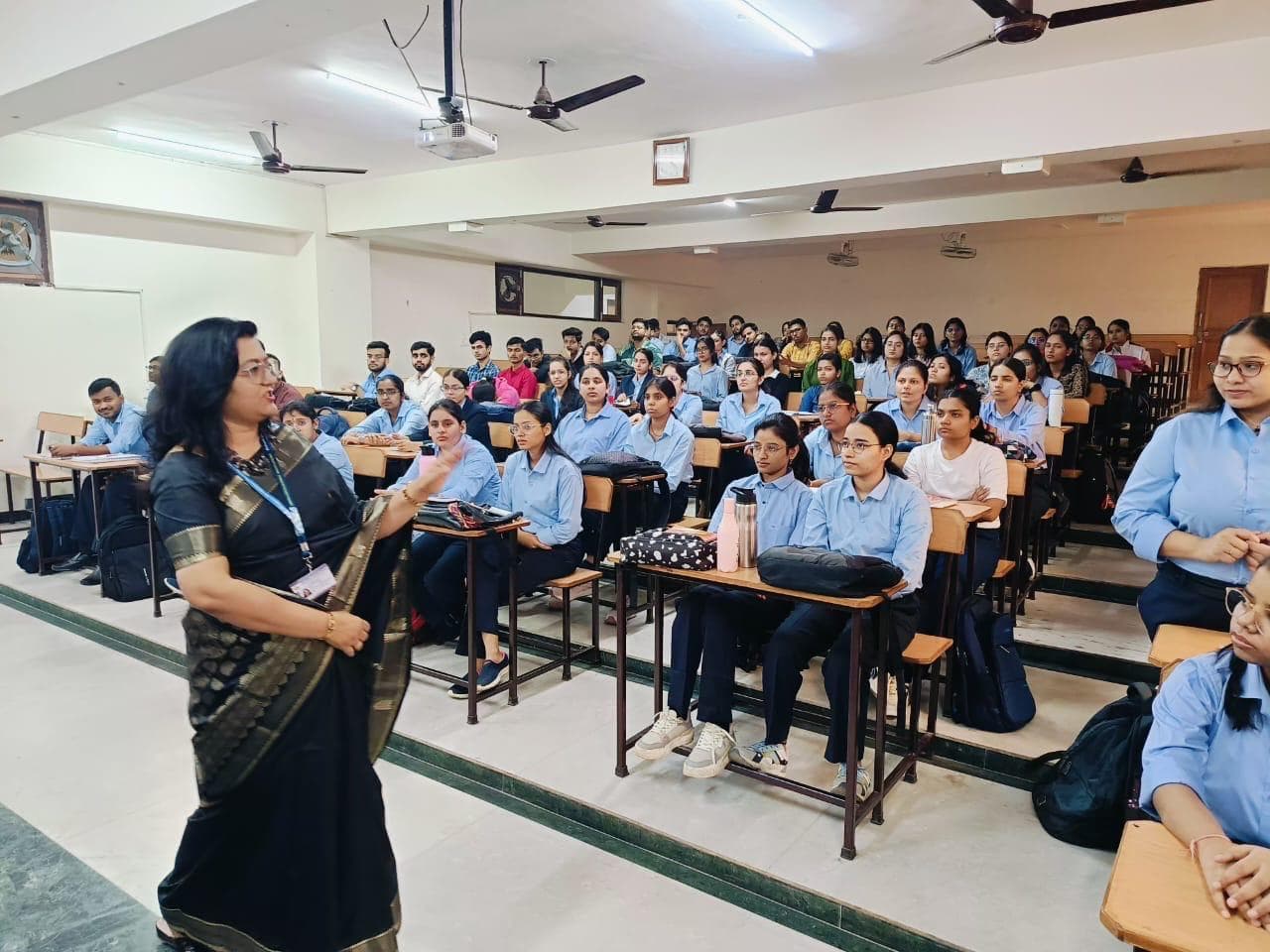
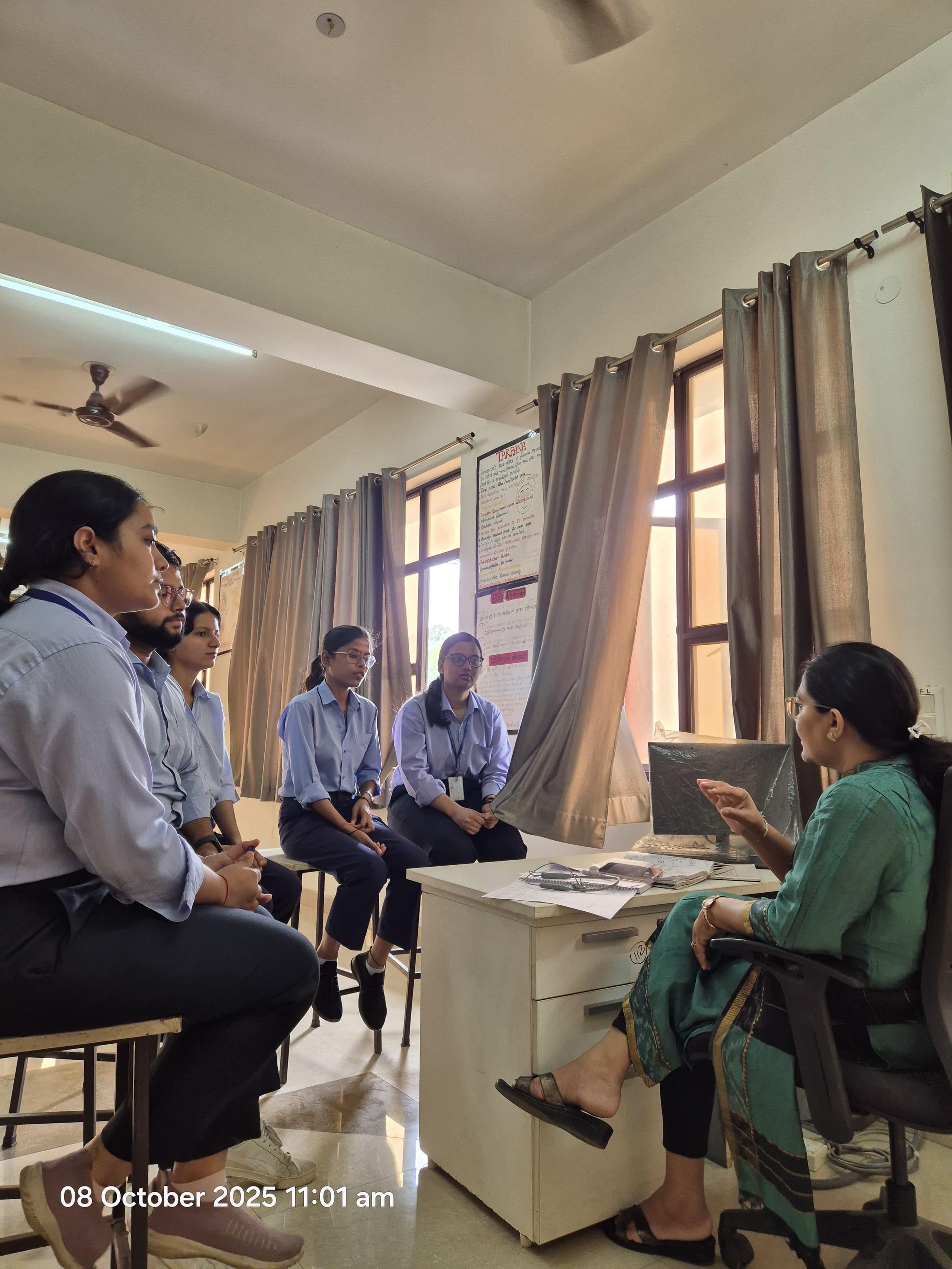
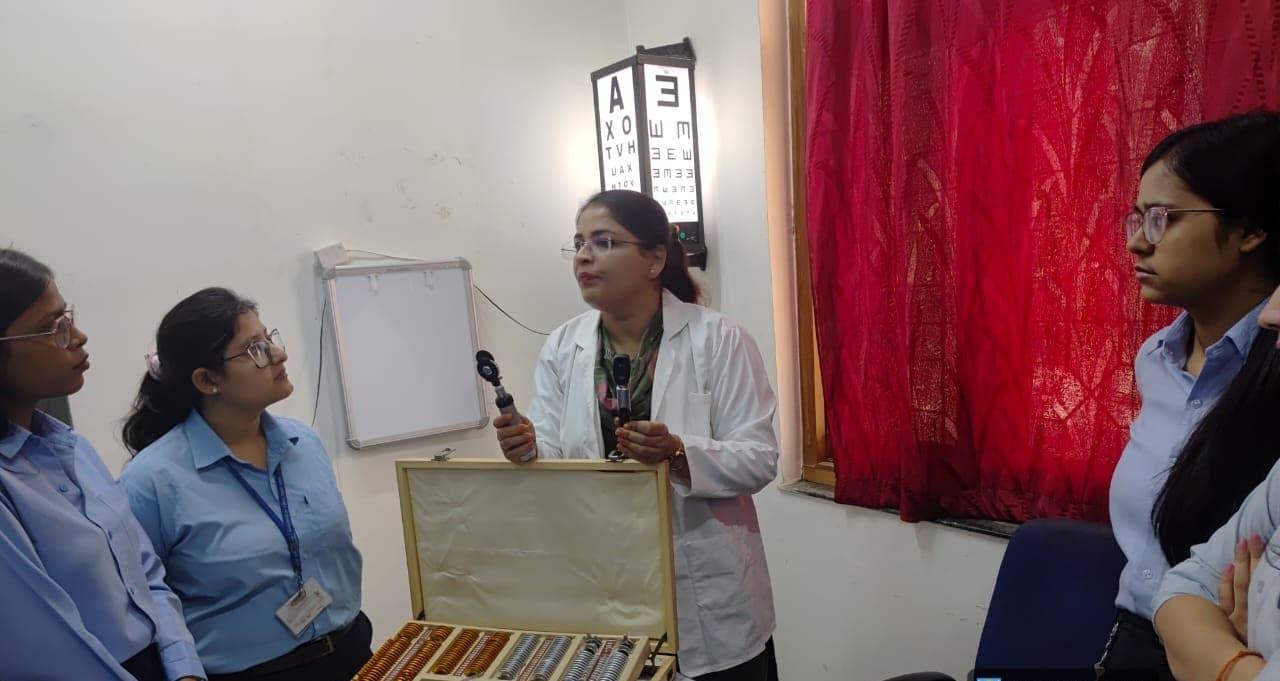
Departmental Lab
(for Clinical and Practical Training)
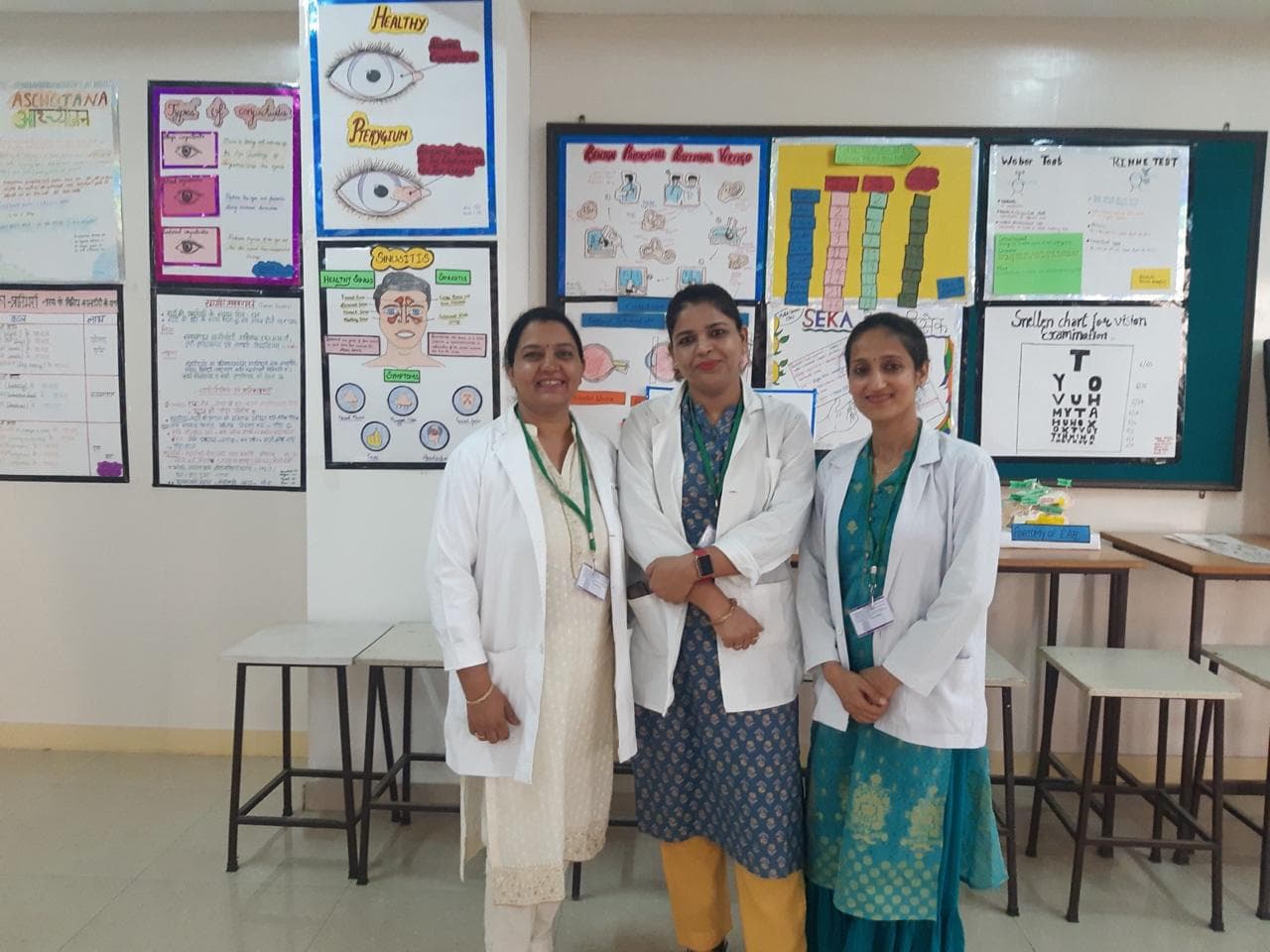
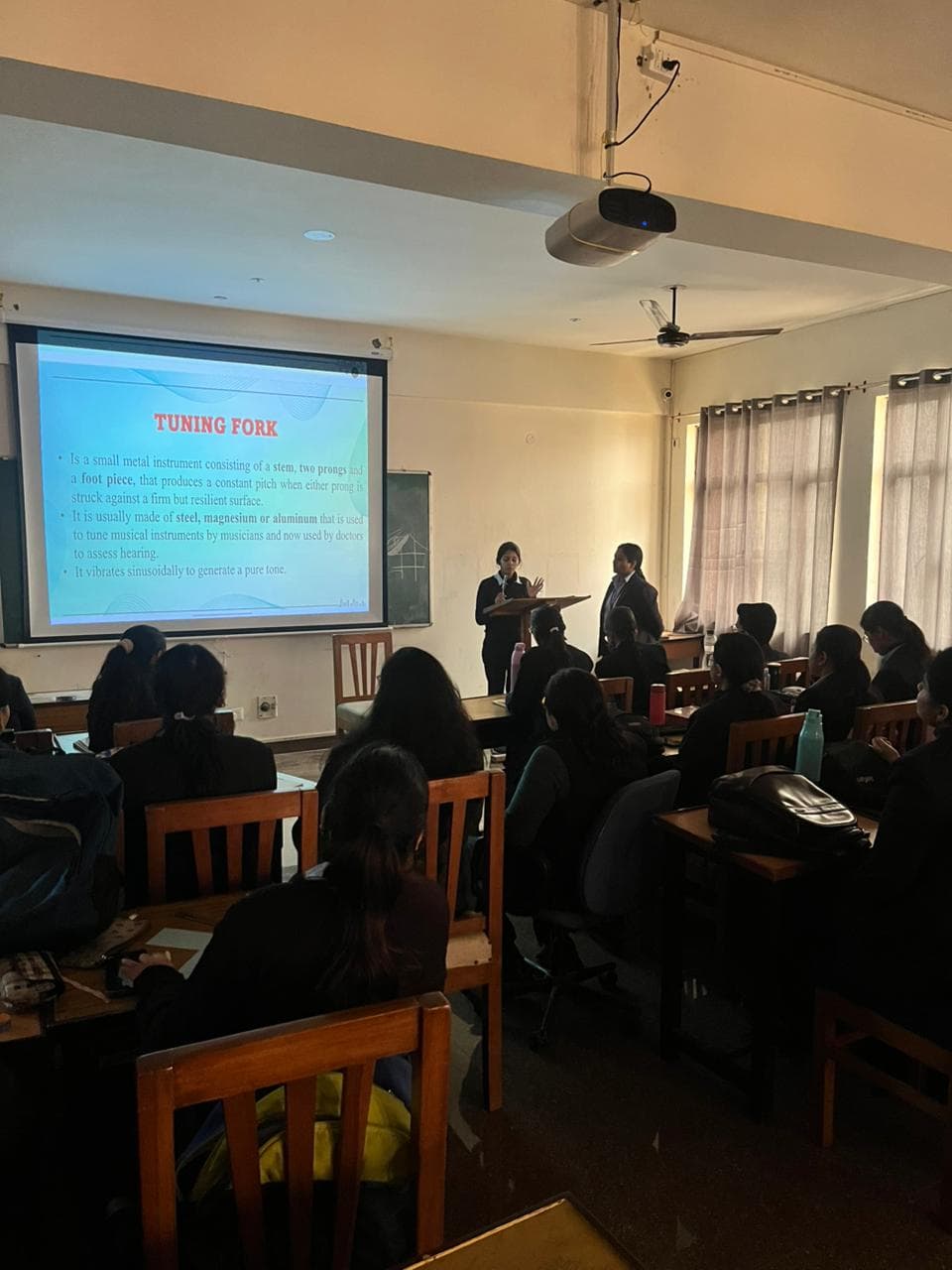
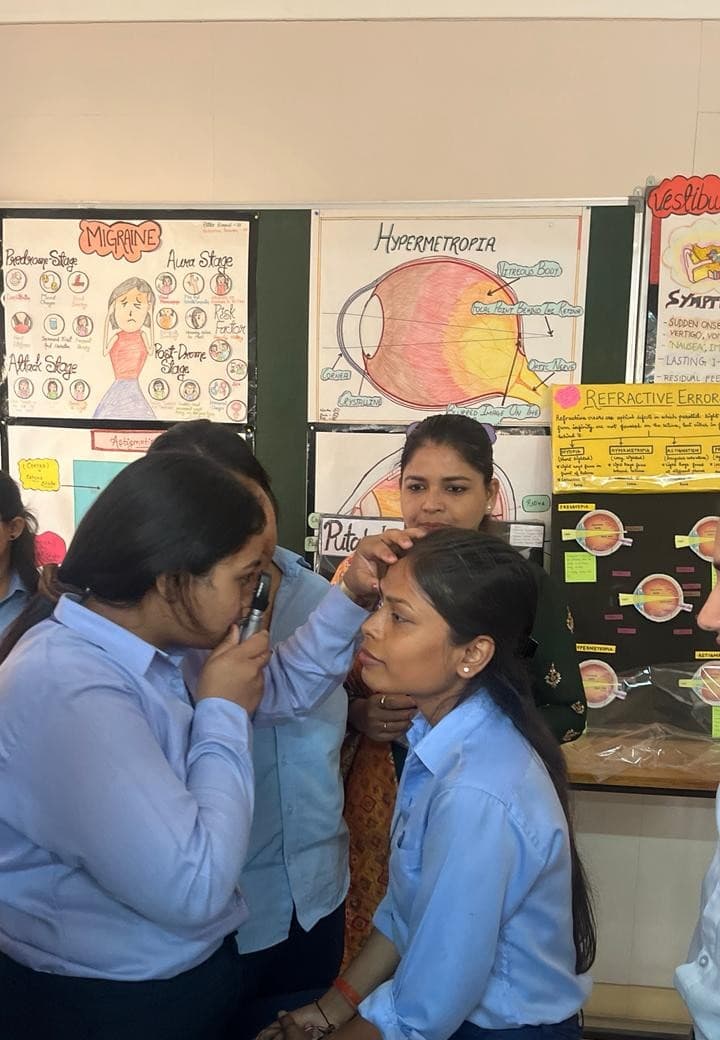
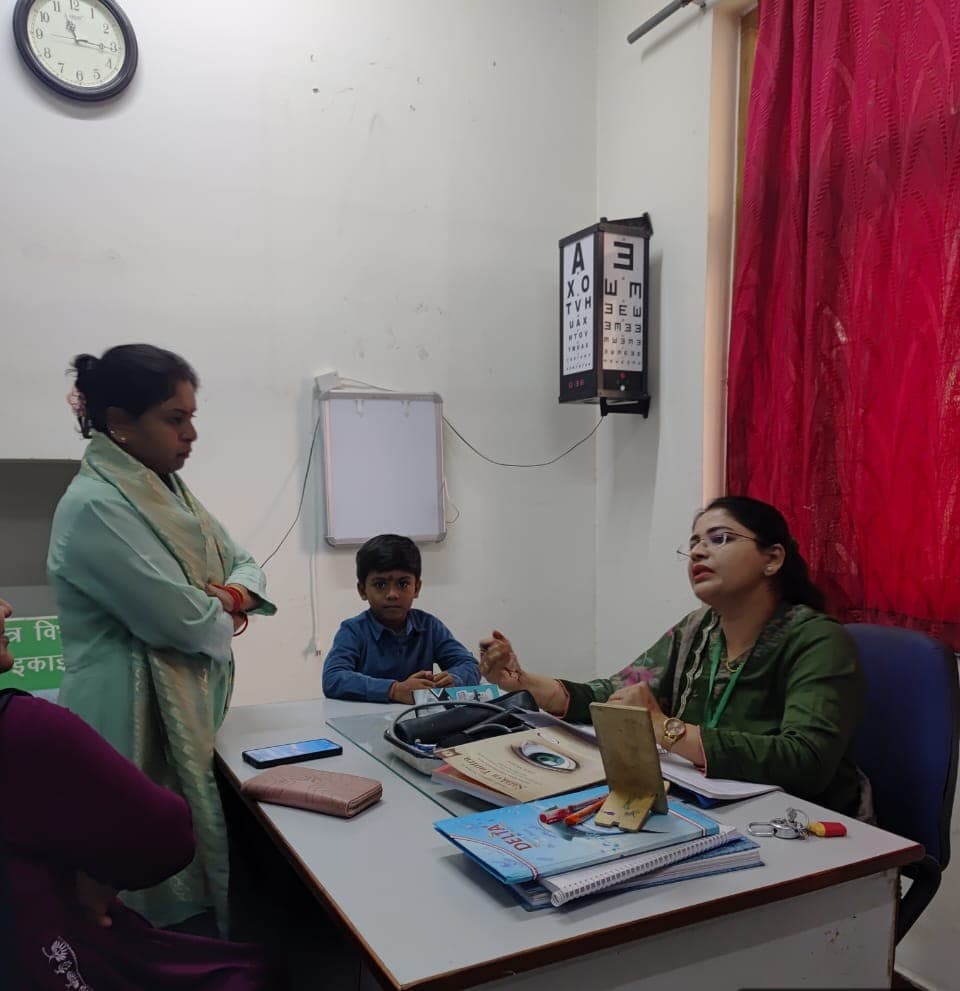
Use of diagnostic instruments
Clinical examination techniques
Therapeutic procedures and patient case presentation
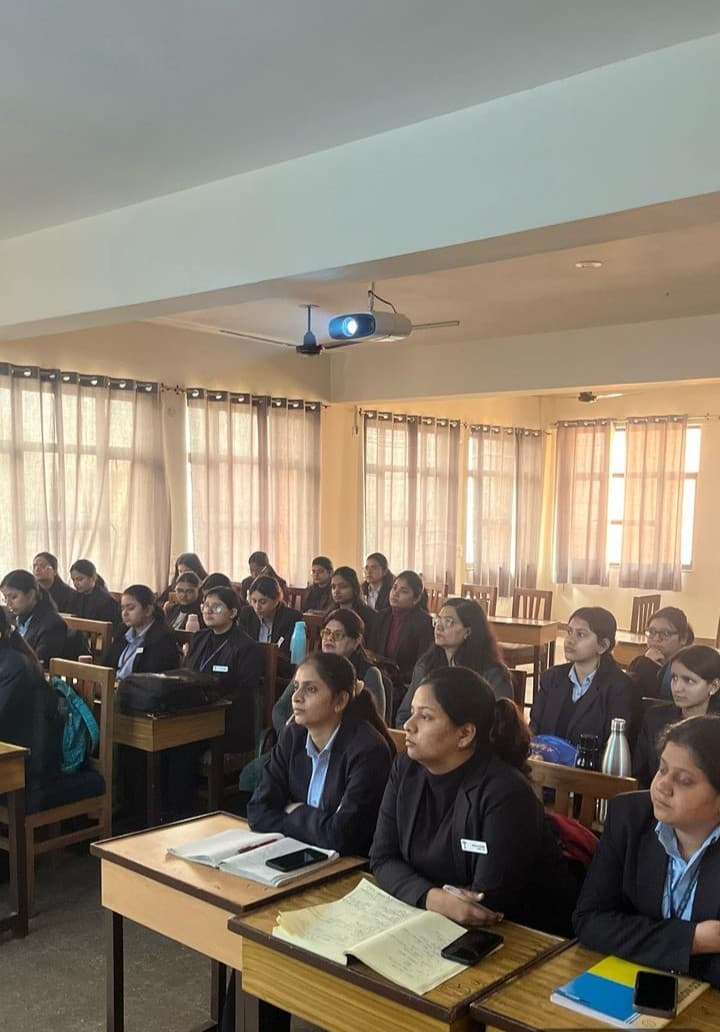
Programme Learning Outcomes (POs)
Demonstrate comprehensive knowledge and application of the Trisutra concept to explore root causes, identify clinical manifestations of disease, treat ailments, and maintain health.
Demonstrate knowledge and skills in Ayurveda through the integration of multidisciplinary perspectives and careful clinical and practical observation.
Demonstrate proficiency in holistic and individualized assessment for rational decision-making in disease management and health maintenance.
Perform procedures and therapeutic maneuvers with skill and dexterity in diverse clinical situations.
Demonstrate knowledge, skills, and professional attitudes required to provide holistic and quality healthcare.
Exhibit ethical conduct, compassion, and virtuous behavior to enhance the well-being of individuals and society.
Demonstrate self-directed learning for continuous advancement of knowledge and contribution to healthcare and societal well-being.
Demonstrate effective communication skills with patients, families, communities, and professional peers.
Demonstrate an understanding of the roles and skills required as a practitioner, researcher, and academician, along with the aspiration to excel in these domains.
Course Outcomes (COs)
Shalakya Tantra
Demonstrate clinical application of the anatomy and physiology of Netra (eye), Karna (ear), Nasa (nose), Mukha (oral cavity), and Shiras (head).
Identify and understand Nidana Panchaka of diseases in Shalakyatantra according to Ayurvedic and contemporary medical principles (Roga Pareeksha).
Conduct appropriate clinical examinations using diagnostic and imaging techniques, along with proper instrument usage and interpretation, as per Ayurveda and contemporary medical sciences.
Present clinical cases related to Shalakyatantra with logical reasoning (Naidanika Tarka) and assess prognosis (Sadhya-Asadhyata) in clinical practice.
Acquire knowledge of principles of treatment and various therapeutic measures in Shalakyatantra according to classical Samhitas and contemporary medical science.
Perform appropriate therapeutic procedures in Shalakyatantra and refer for expert opinion whenever required.
Demonstrate effective communication with patients, relatives, and other stakeholders.
Demonstrate ethical conduct (Sadvritta), compassion (Karuna), and professional qualities of a clinician (Vaidya Guna).
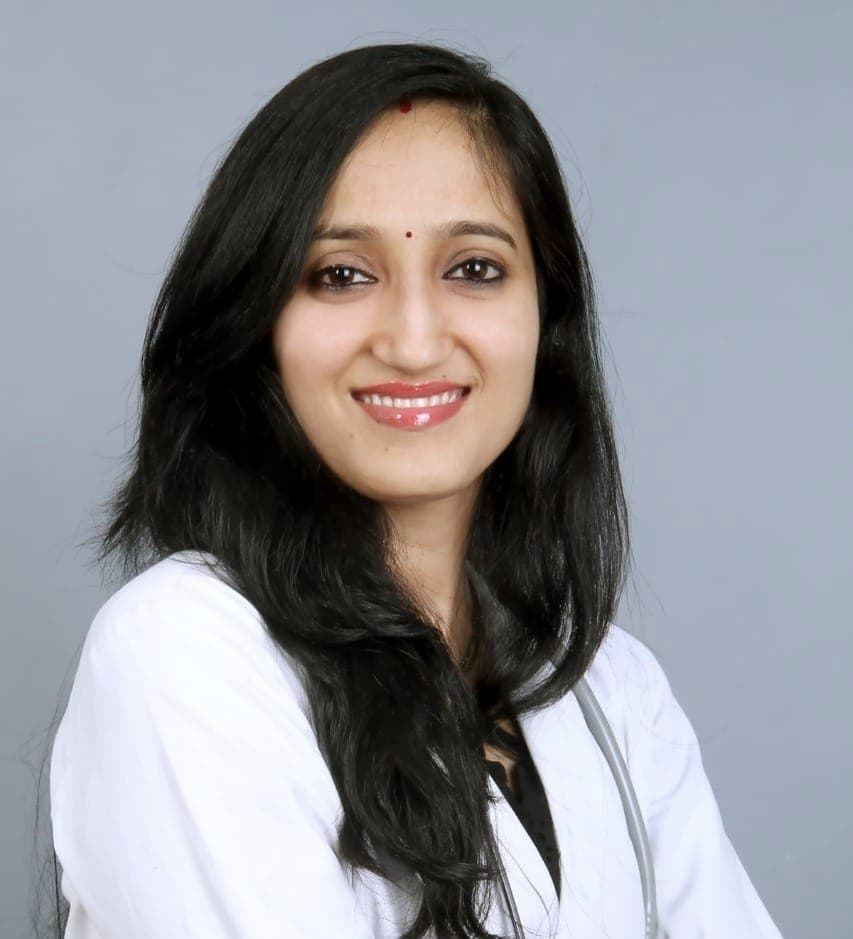
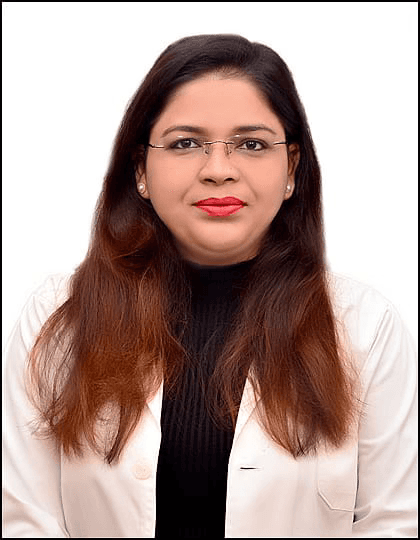
Our Esteemed Faculty
Scholars who guide the next generation with depth, dedication, and lived expertise.

Access detailed syllabus and curriculum structure
Get the complete academic blueprint—course outlines, learning outcomes, reading lists, and assessment frameworks.