
Department of Samhita, Siddhant Evam Sanskrit
About the Department
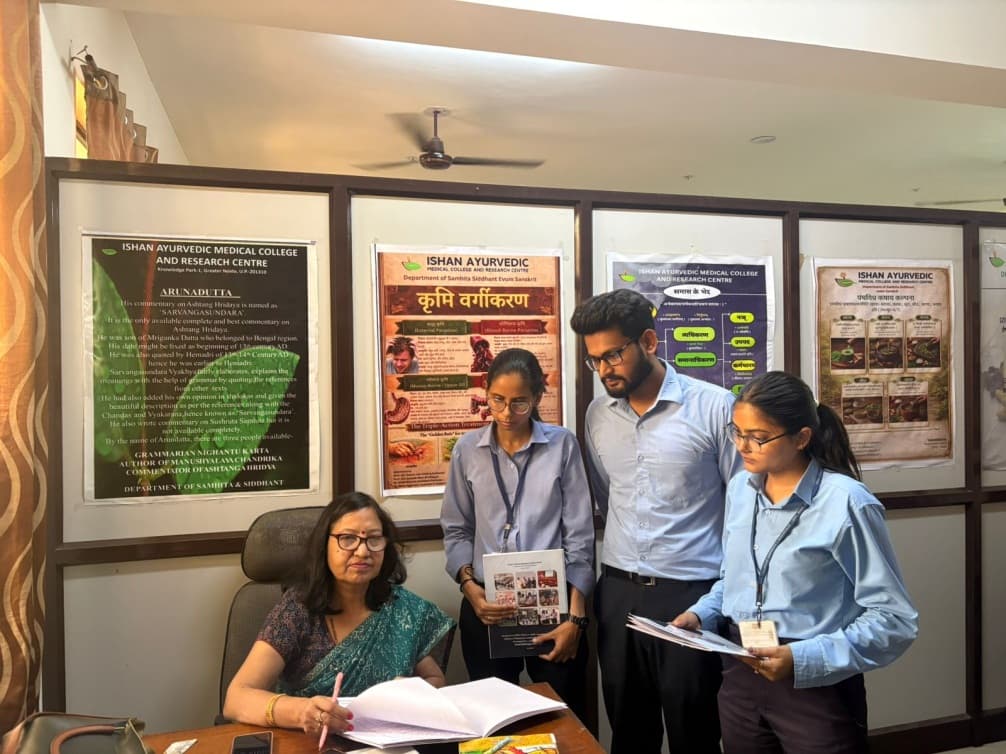
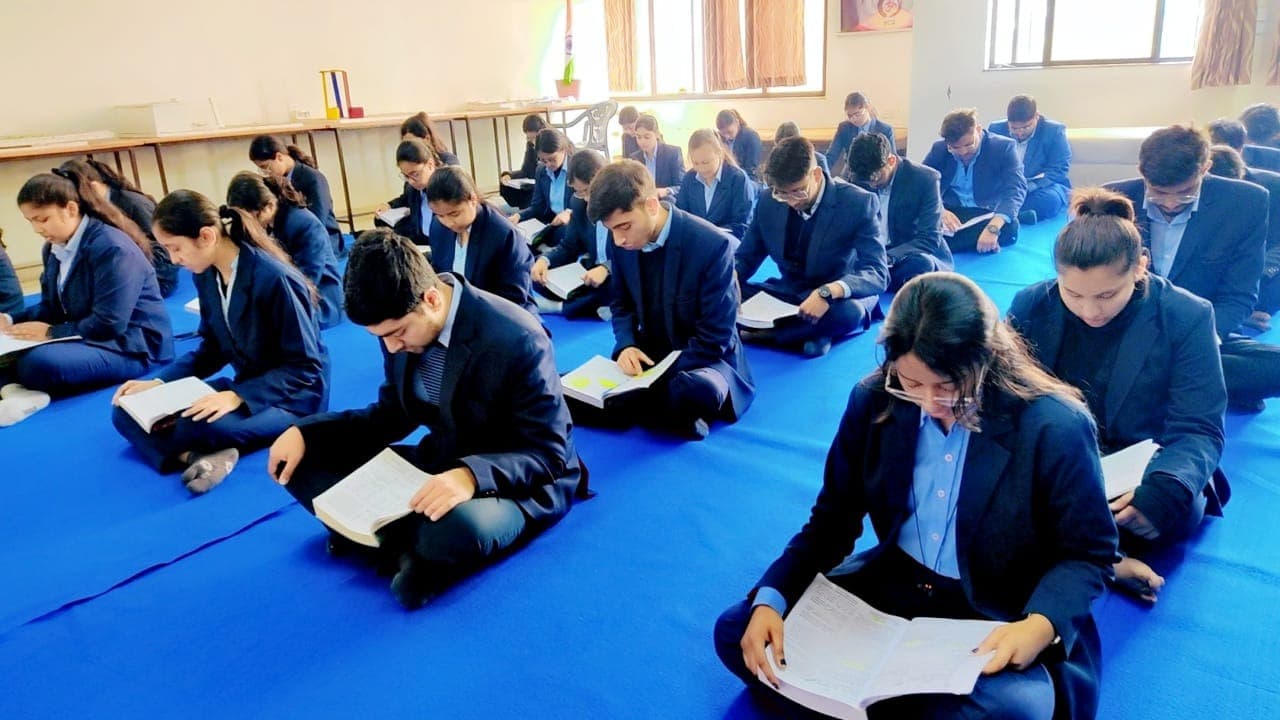
The Department of Samhita, Siddhant Evam Sanskrit forms the intellectual backbone of Ayurvedic education, grounding students in the classical texts and core philosophies of Ayurveda. It focuses on developing a deep understanding of fundamental principles, including Tridosha, Dhatu, Agni, and Prakriti, which are essential for diagnosis and treatment. Alongside this, Sanskrit proficiency enables accurate interpretation of ancient scriptures, ensuring authenticity in learning and practice.
Key Areas of Study
Classical texts
Charaka Samhita, Sushruta Samhita, Ashtanga Hridaya
Fundamental principles
Tridosha, Sapta Dhatu, Mala, Agni, Prakriti
Sanskrit language
Ayurvedic philosophy & conceptual framework
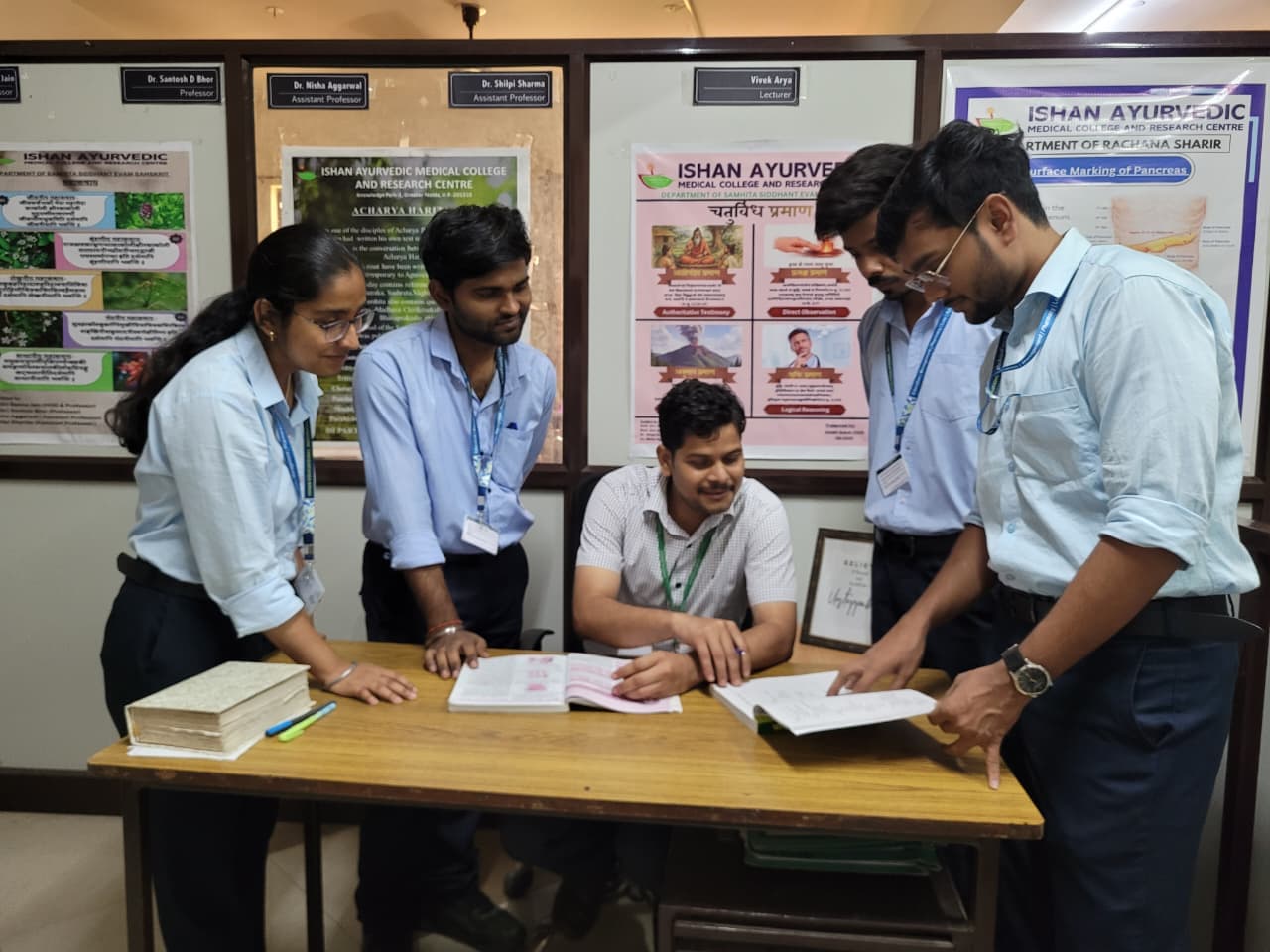
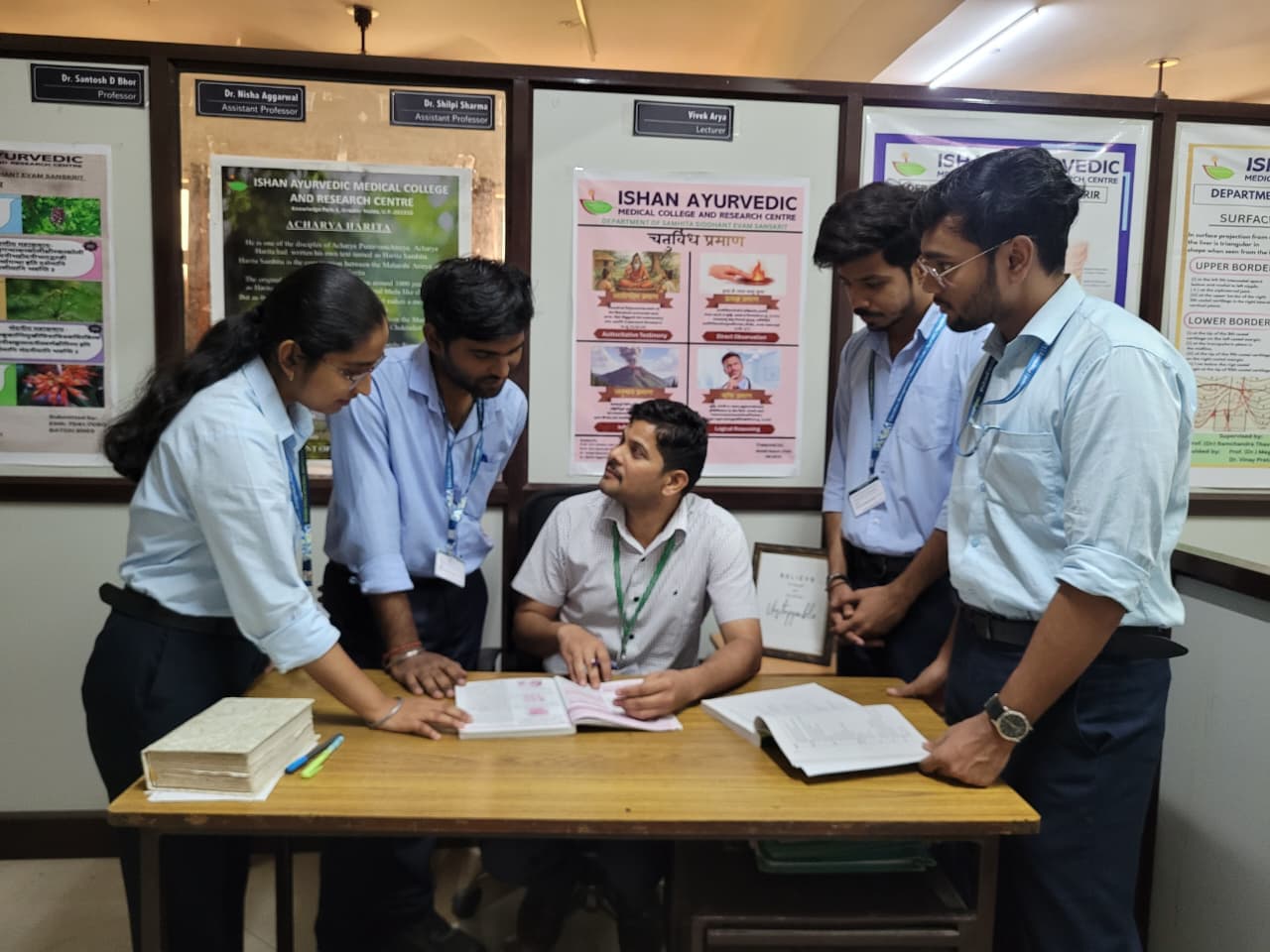
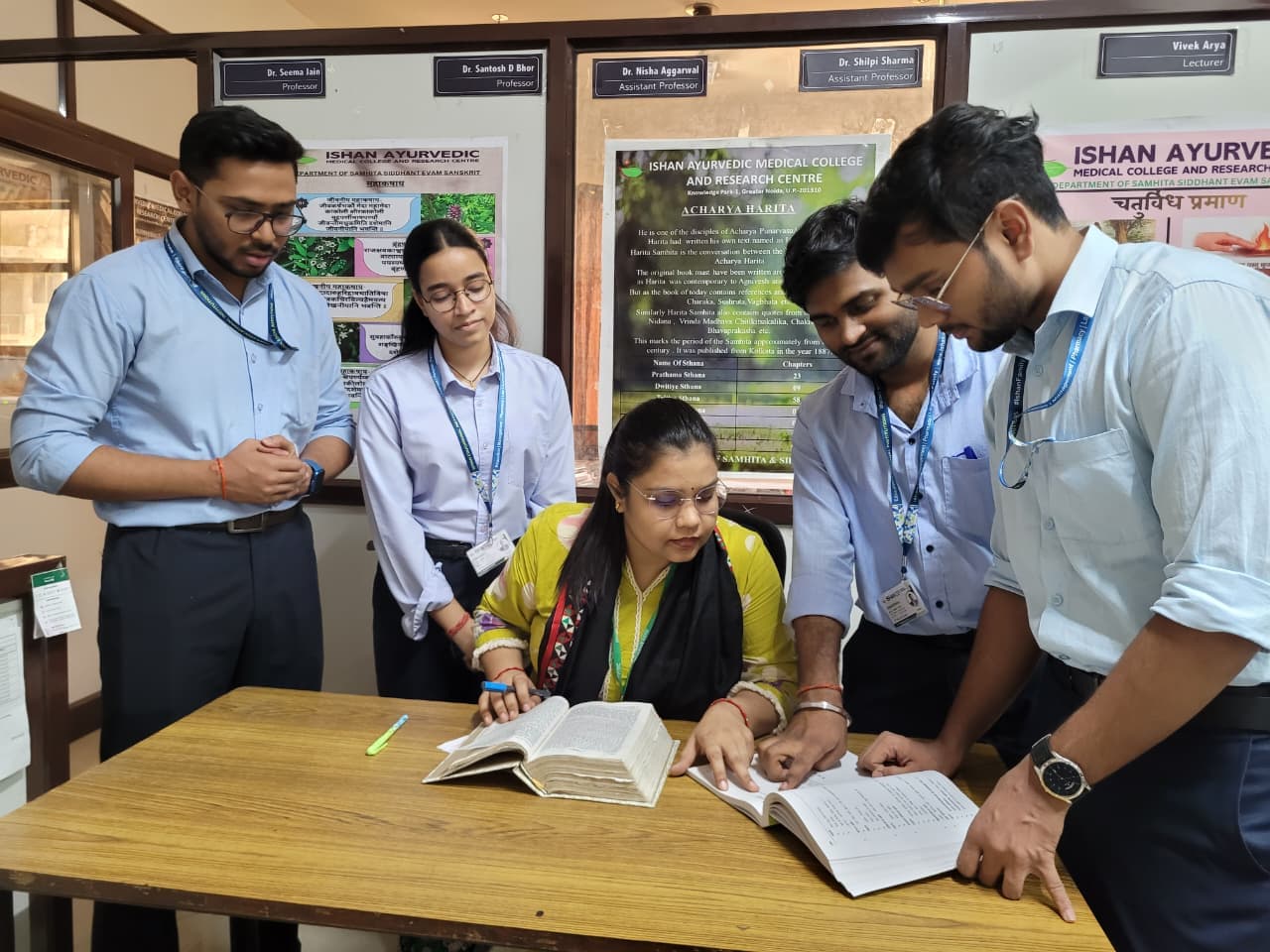
Departmental Lab
(for Clinical and Practical Training)
Interpretation of classical case references and clinical concepts
Application of Ayurvedic principles in basic diagnosis
Analytical discussions linking classical knowledge with modern perspectives
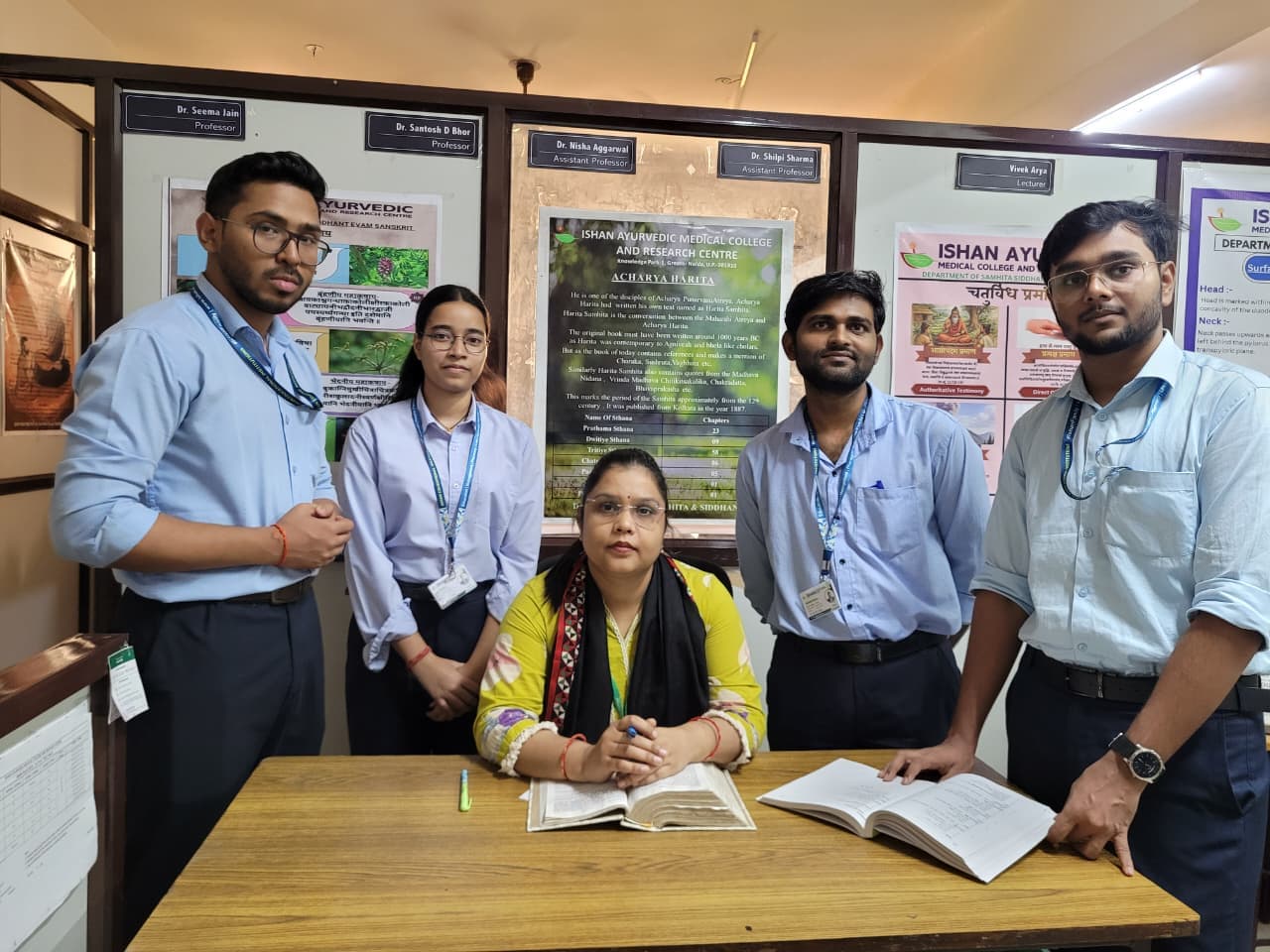
Programme Learning Outcomes (POs)
Demonstrate comprehensive knowledge and application of the Trisutra concept to explore root causes, identify clinical manifestations of disease, treat ailments, and maintain health.
Demonstrate knowledge and skills in Ayurveda through the integration of multidisciplinary perspectives and careful clinical and practical observation.
Demonstrate proficiency in holistic and individualized assessment for rational decision-making in disease management and health maintenance.
Perform procedures and therapeutic maneuvers with skill and dexterity in diverse clinical situations.
Demonstrate knowledge, skills, and professional attitudes required to provide holistic and quality healthcare.
Exhibit ethical conduct, compassion, and virtuous behavior to enhance the well-being of individuals and society.
Demonstrate self-directed learning for continuous advancement of knowledge and contribution to healthcare and societal well-being.
Demonstrate effective communication skills with patients, families, communities, and professional peers.
Demonstrate an understanding of the roles and skills required as a practitioner, researcher, and academician, along with the aspiration to excel in these domains.
Course Outcomes (COs)
A. Samhita Adhyayan – I
Distinguish between different Samhitas, understand their importance and methodology, and become familiar with tools of Samhita Adhyayan (e.g., Tantrayukti).
Interpret and apply Sutras from the Samhitas in theoretical and practical contexts.
Apply and evaluate the principles of Tridosha, Saptadhatu, and Mala (theoretical understanding).
Practice and prescribe Dincharya (daily regimen), Ritucharya (seasonal regimen), and dietary principles for health preservation.
Explore and differentiate various types of food, food groups, and medicinal Dravyas described in the Samhitas.
Identify etiological and pathological factors and predict appropriate treatment principles.
Recognize and explain the fundamentals of therapeutic procedures including Shodhana and allied para-surgical therapies.
Develop a professional code of conduct and demonstrate maturity, especially in scientific discussions and deliberations.
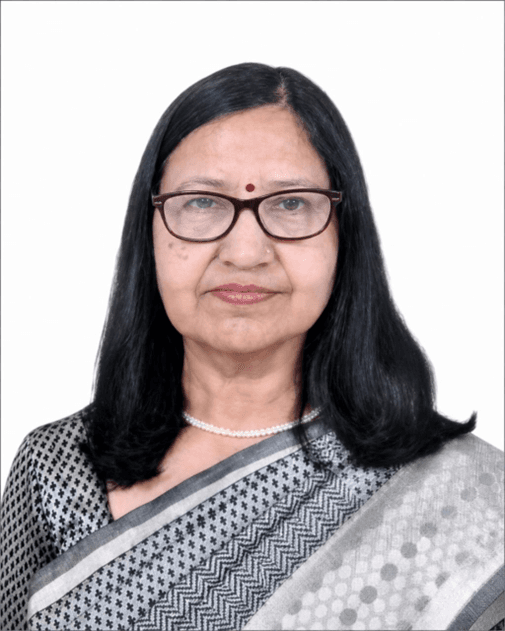
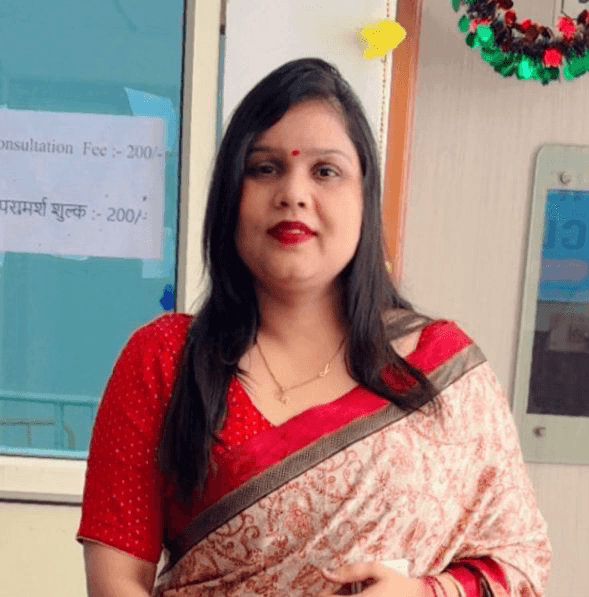
Our Esteemed Faculty
Scholars who guide the next generation with depth, dedication, and lived expertise.

Access detailed syllabus and curriculum structure
Get the complete academic blueprint—course outlines, learning outcomes, reading lists, and assessment frameworks.