
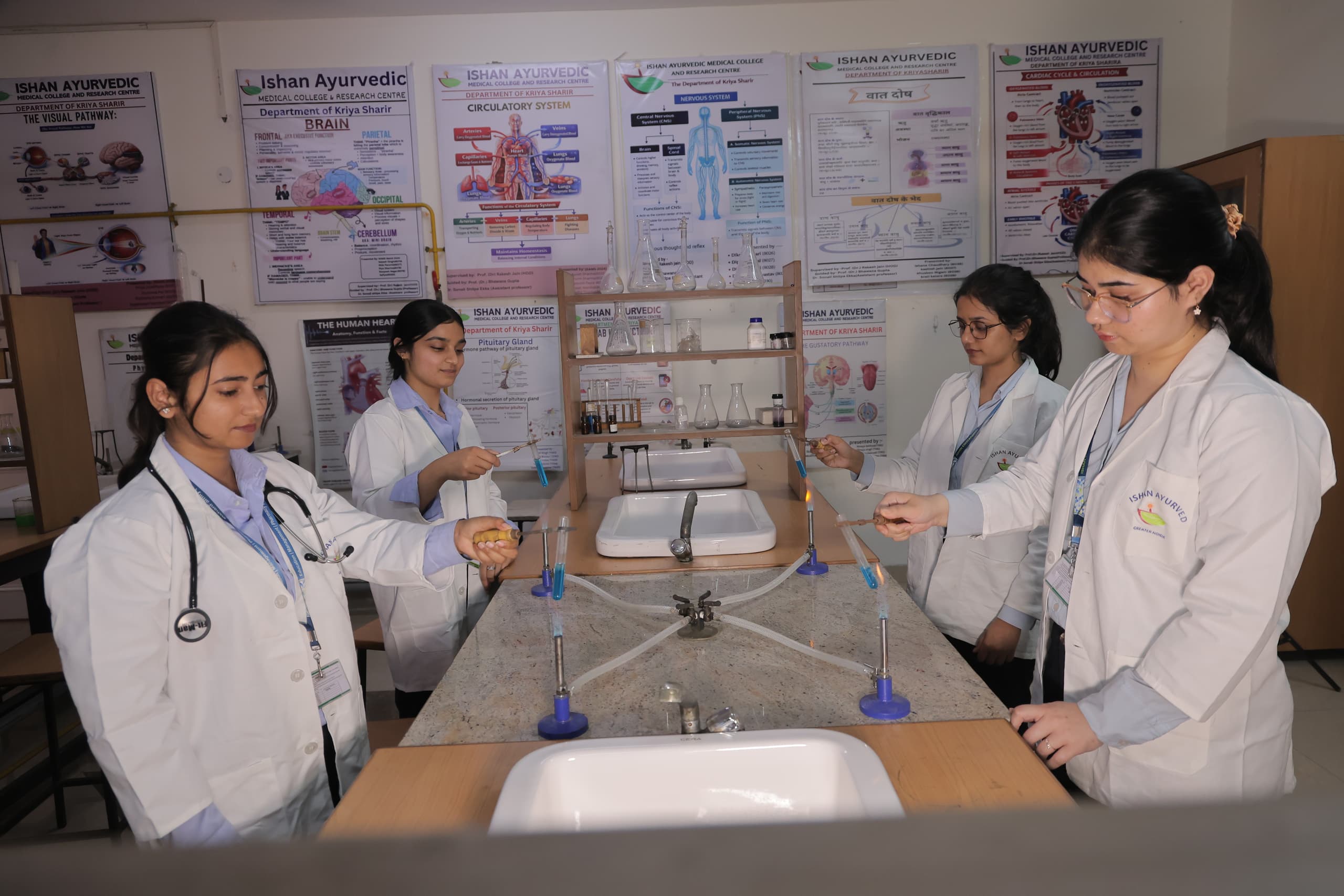
Kriya Sharir Department
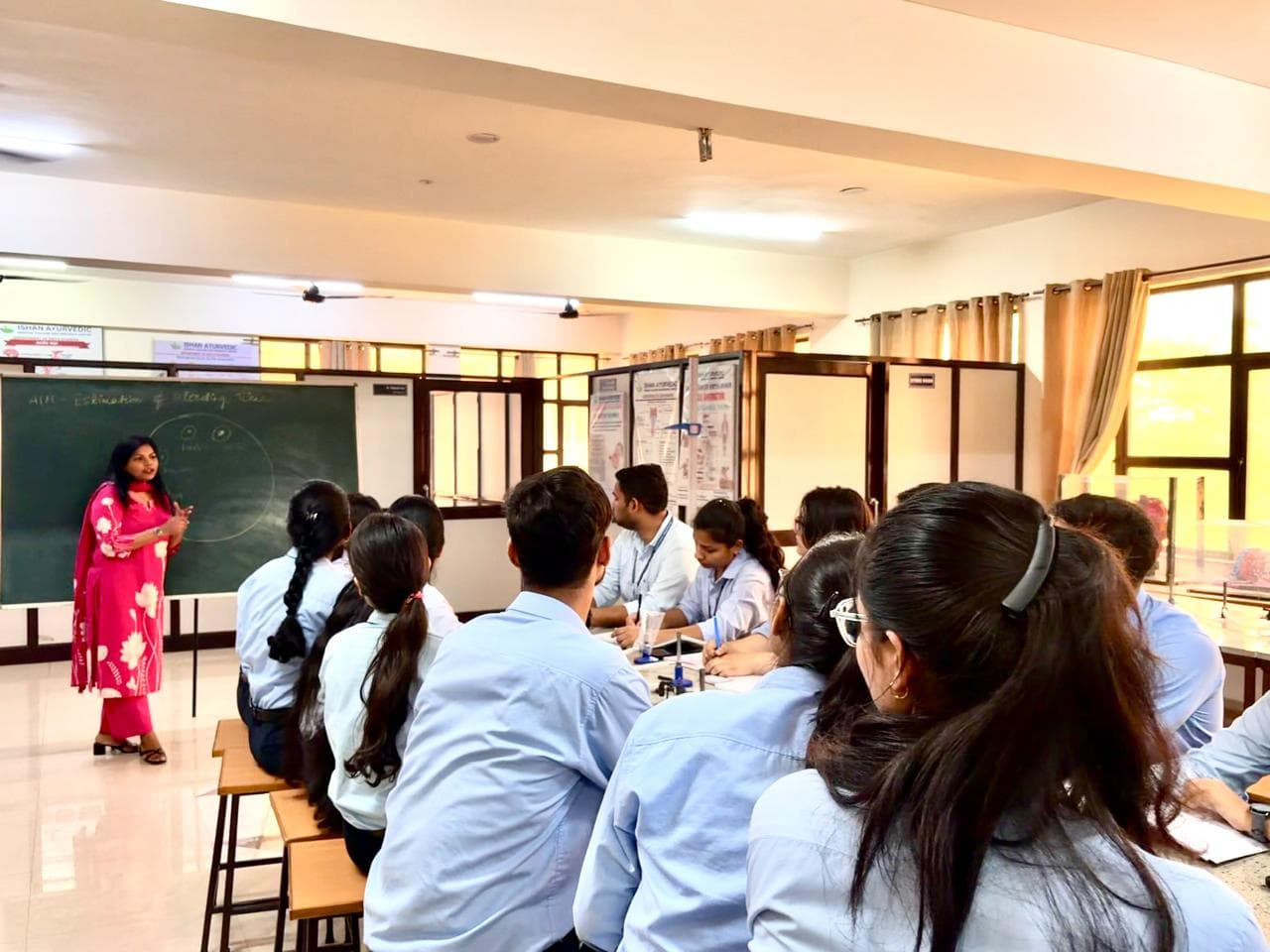
About the Department
The Kriya Sharir Department focuses on the functional aspects of the human body as described in Ayurveda, integrating classical concepts with modern physiological understanding. It emphasizes the role of Tridosha (Vata, Pitta, Kapha) in maintaining biological balance, along with key principles such as Dhatu, Mala, Agni, and Prana that govern metabolism, nourishment, and vitality. The department also explores Srotas (body channels), digestion, circulation, and mental functions, highlighting the interconnectedness of body and mind. By bridging traditional Ayurvedic wisdom with contemporary science, it provides students with a strong foundation to understand normal and pathological processes, enabling effective application in diagnosis, prevention, and holistic healthcare.
Key Areas of Study
Functional principles of Tridosha
Vata, Pitta, Kapha
Concepts of Dhatu, Mala, Agni, and Prana
Metabolism, nourishment, and vitality
Study of Srotas (body channels)
Physiological processes and integration with modern physiology
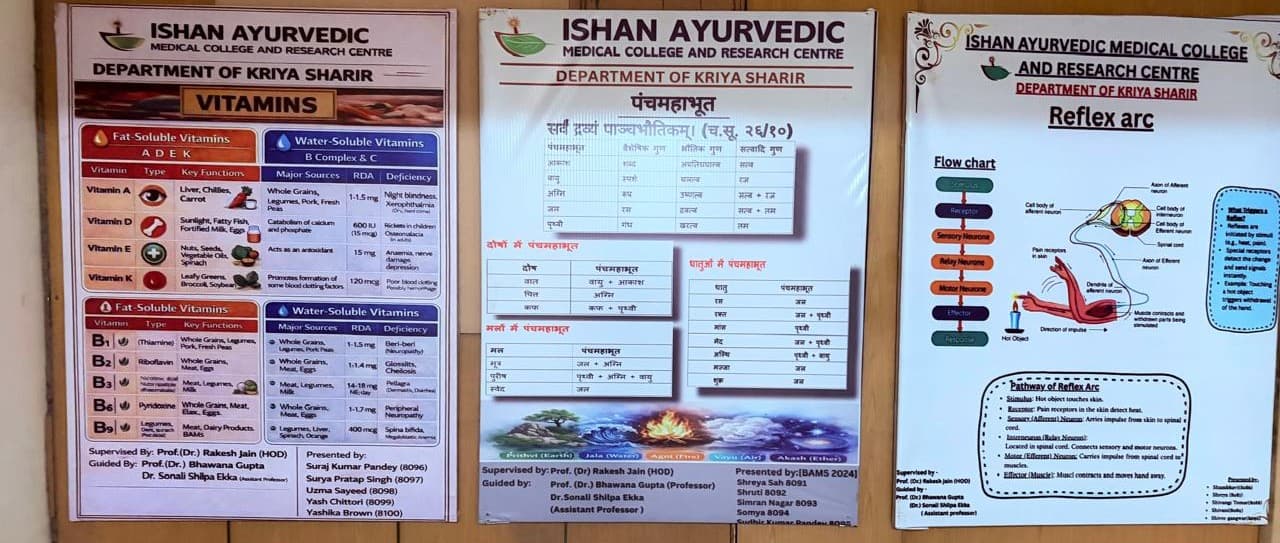
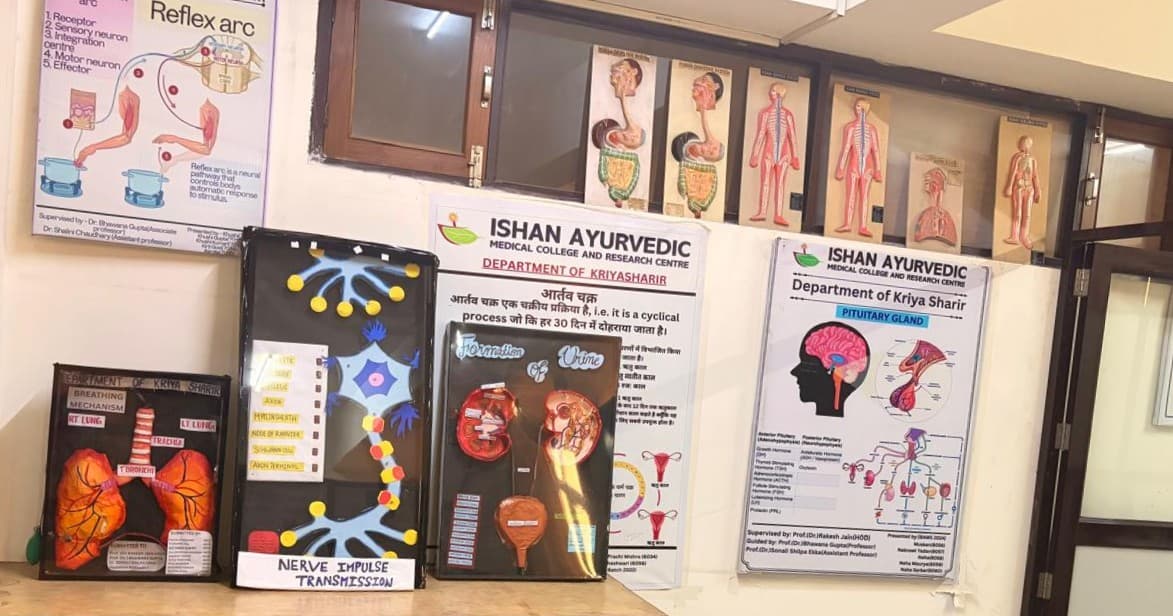
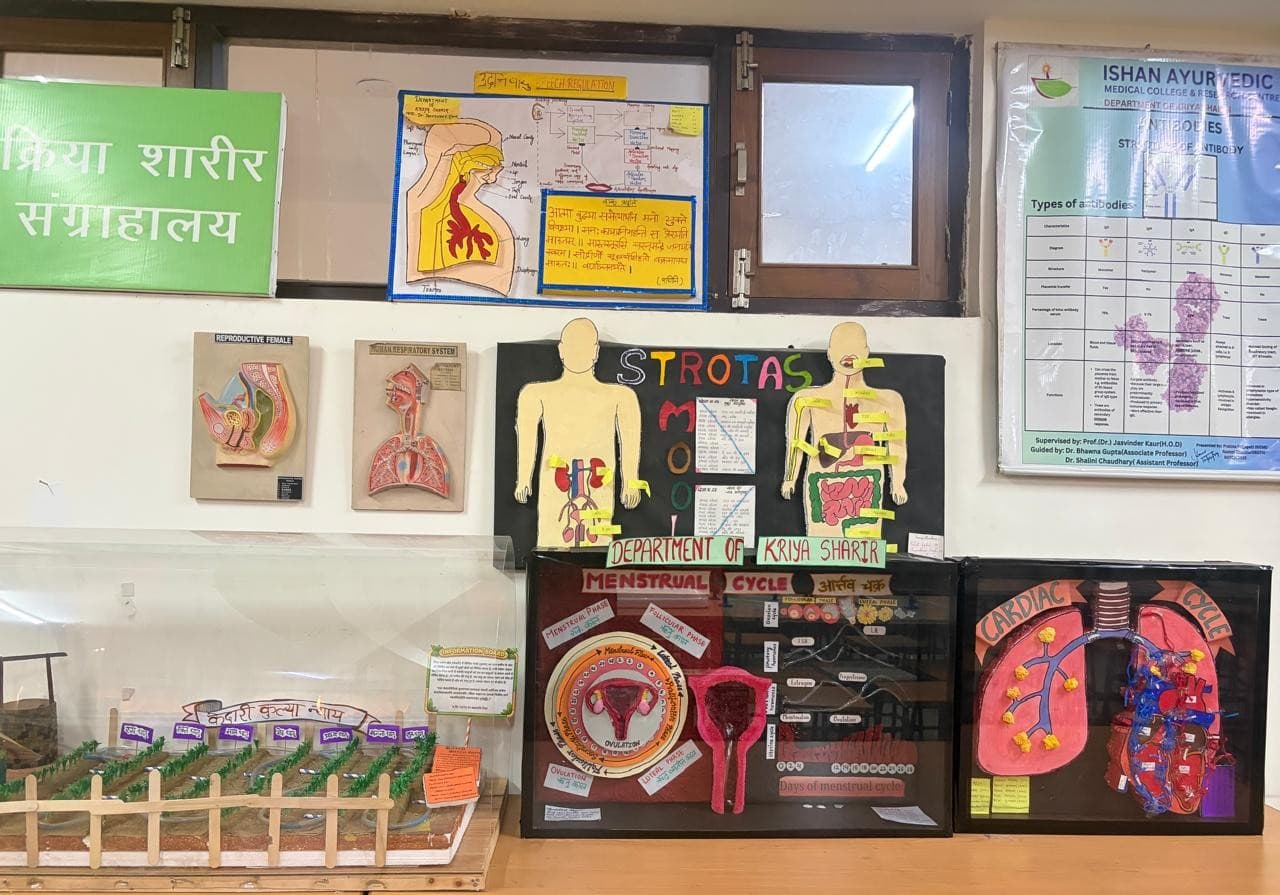
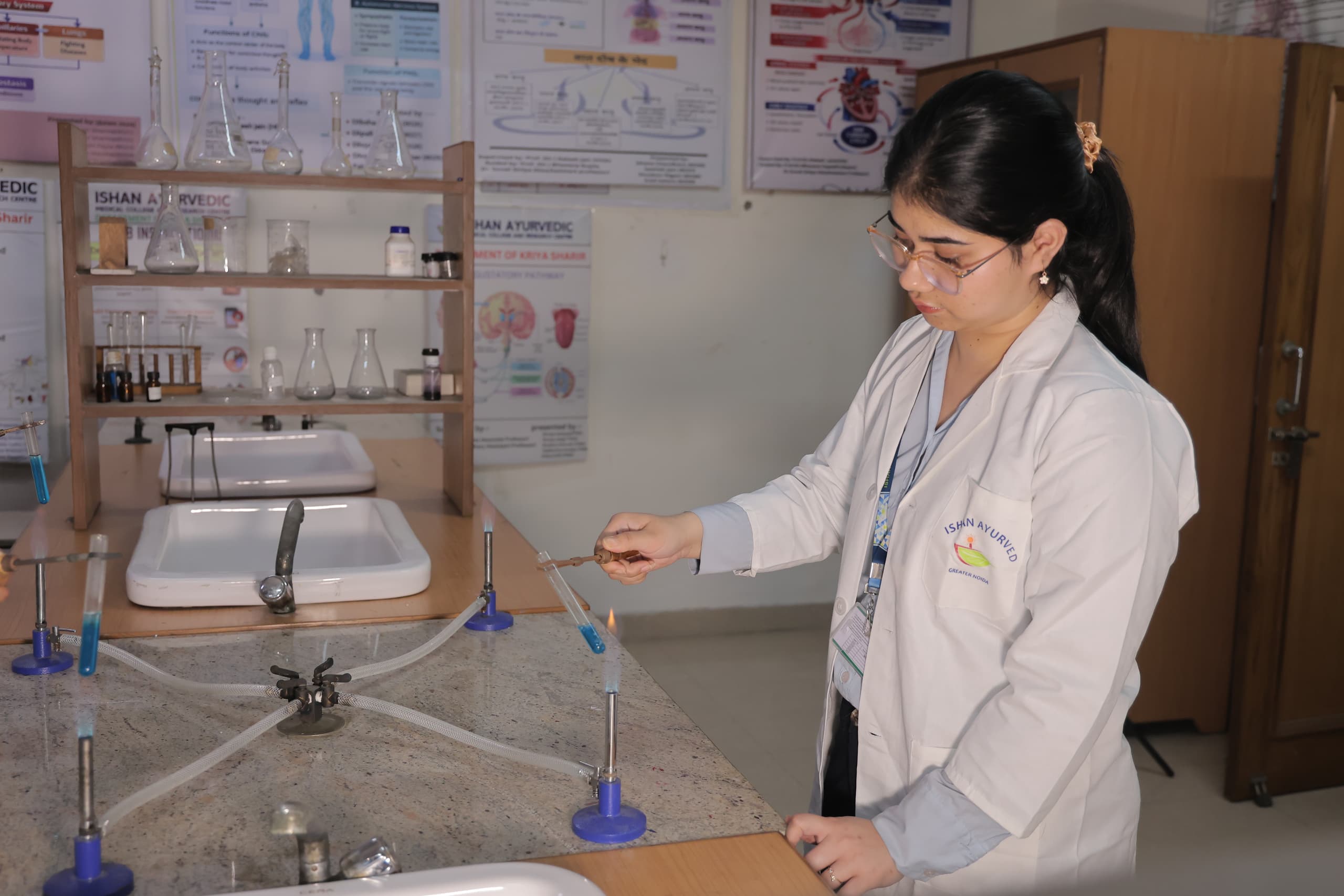
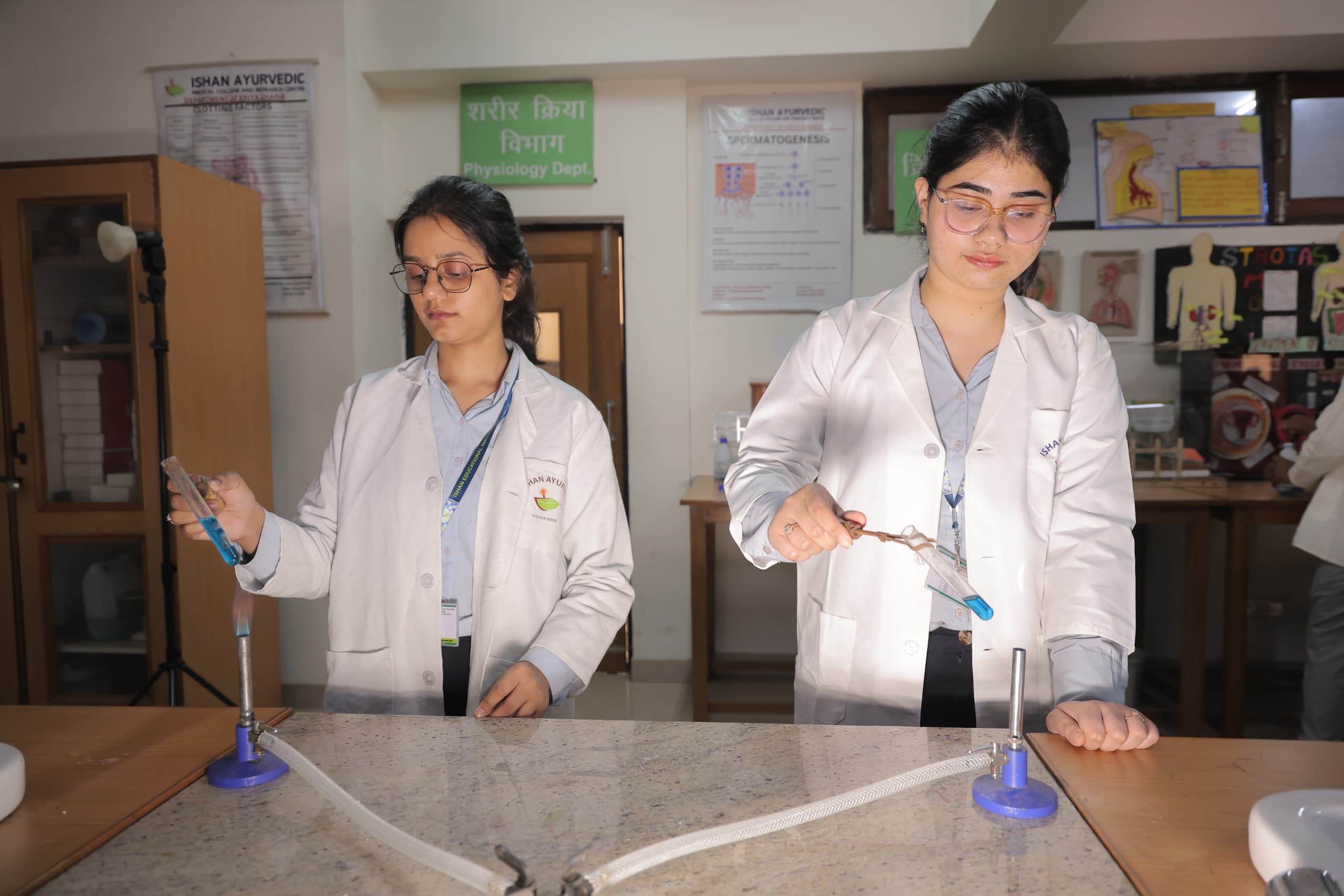
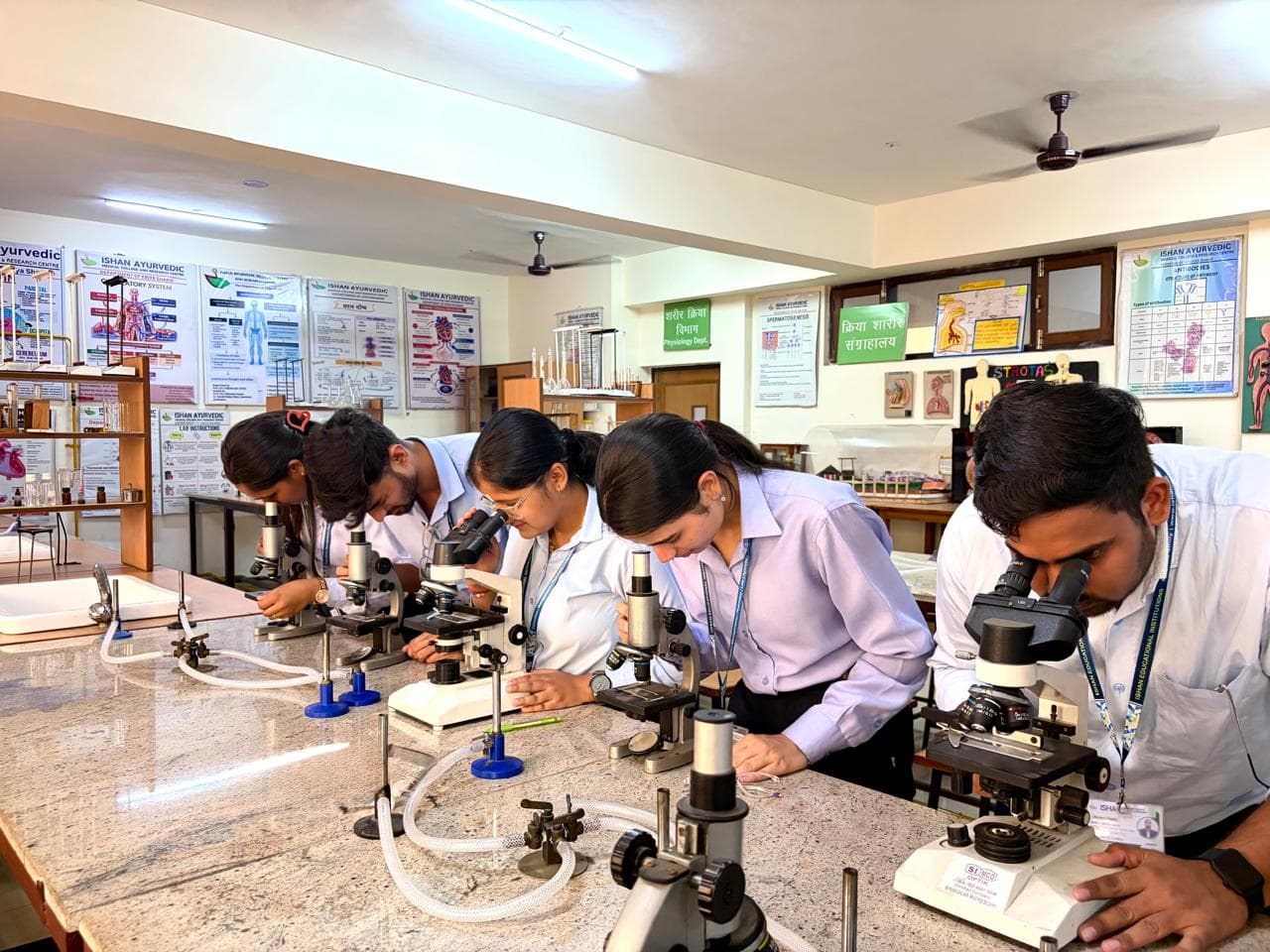
Departmental Lab
(for Clinical and Practical Training)
Assessment of Prakriti and physiological parameters
Interpretation of normal and abnormal bodily functions
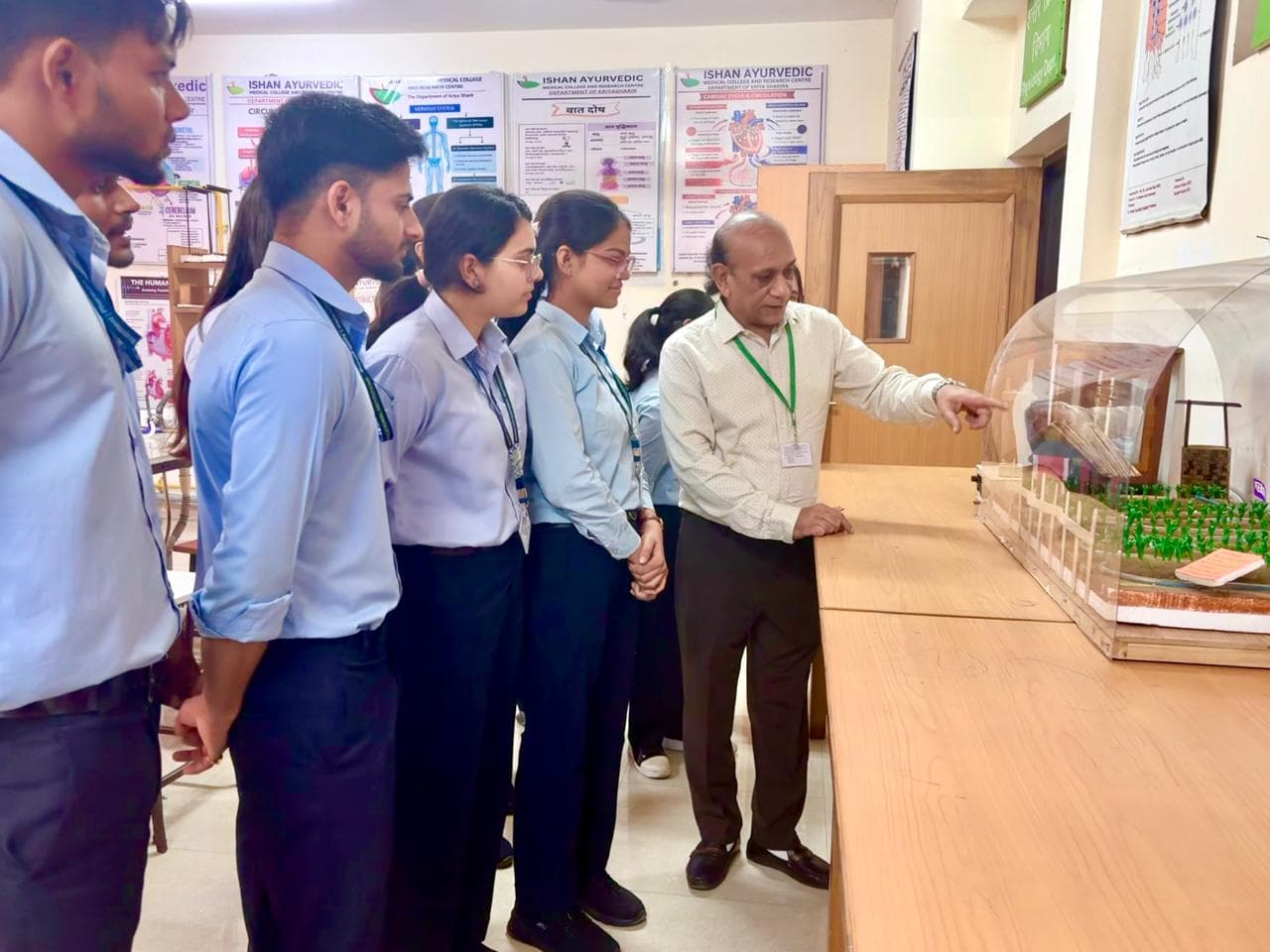
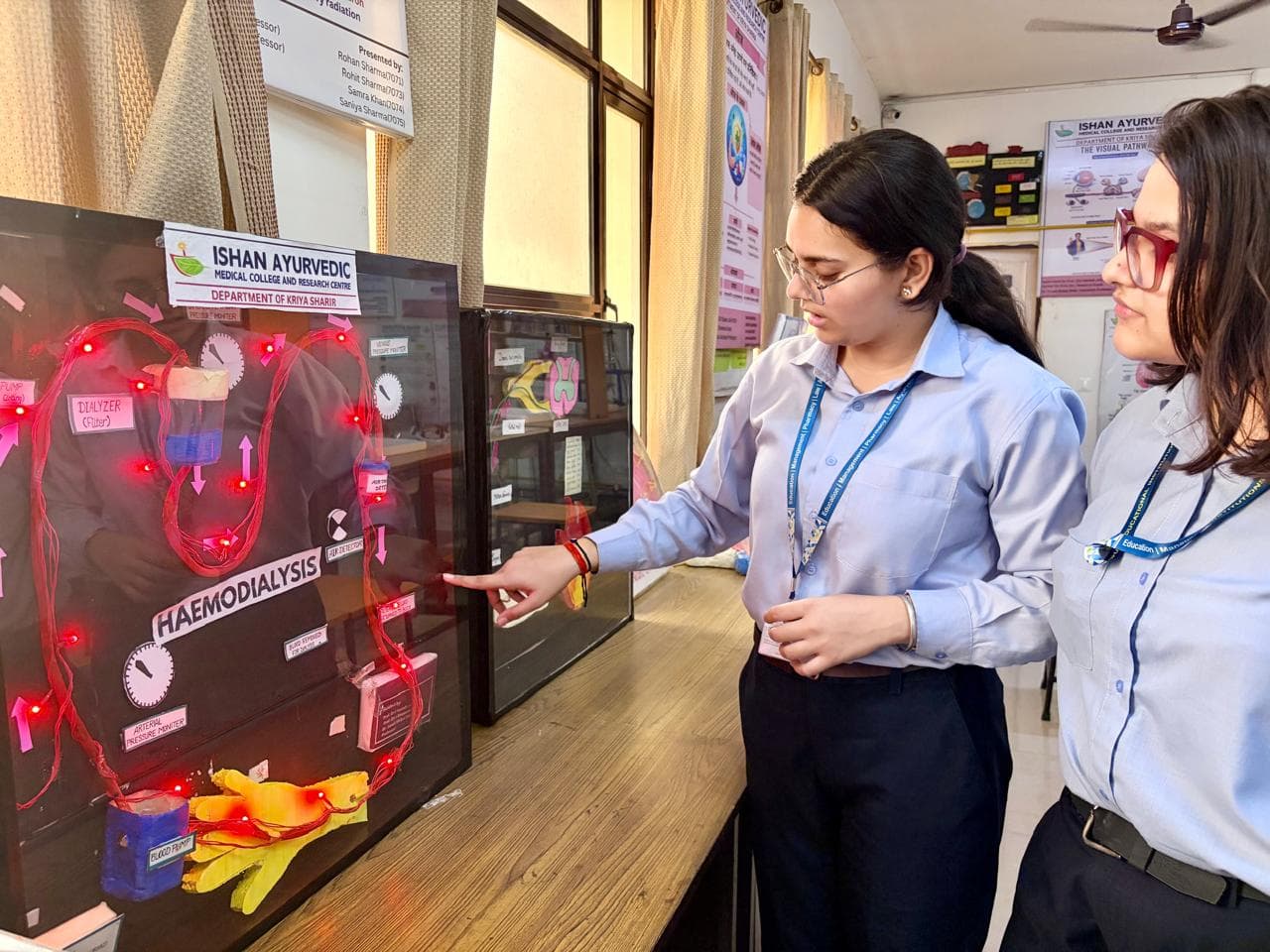
Practical exposure to physiological experiments and instruments
Programme Learning Outcomes (POs)
Demonstrate comprehensive knowledge and application of the Trisutra concept to explore root causes, identify clinical manifestations of disease, to treat ailments and maintain healthy status.
Demonstrate knowledge and skills in Ayurveda, acquired through integration of multidisciplinary perspectives and keen observation of clinical and practical experiences.
Demonstrate proficiency in holistic, unique assessment of an individual for rational approach and decision-making in management of disease and maintenance of health.
Perform procedures and therapeutic maneuvers with skill and dexterity in a variety of situations.
Demonstrate knowledge, skills and attitudes to provide holistic quality care and preparedness to practice.
Demonstrate agility, virtuous and ethical behaviour and compassion to improve the well-being of individuals and society.
Demonstrate self-directedness in pursuit of knowledge and skills, which is required for advancing health care and wellbeing of society.
Demonstrate the ability to effectively communicate with patients, families, community and peers.
Demonstrate an understanding of qualities and required skills as a practitioner, researcher and academician and an aspiration to become one.
Course Outcomes (COs)
Kriya Sharir
Explain all basic principles & concepts of Kriya Sharir along with essentials of contemporary human physiology and biochemistry related to all organ systems.
Demonstrate and communicate normal and abnormal variables pertaining to Kriya Sharir such as Sara, Agni, Koshtha, Srotas etc.
Differentiate between Prakriti and Vikriti in the individuals after carrying out relevant clinical examinations.
Carry out clinical examination and experiments using equipments with interpretation of their results.
Differentiate the strengths & limitations of Ayurved and contemporary sciences.
Present a short project work / research activity covering the role of Kriya Sharir in preventive and promotive healthcare.
Show a sense of curiosity and questioning attitude towards the life processes and to display compassion and ethical behaviour.
Effectively communicate verbally and in writing preferably using Ayurvedic terminology along with contemporary terminology among peers, teachers and community.
Our Esteemed Faculty
Scholars who guide the next generation with depth, dedication, and lived expertise.



Access detailed syllabus and curriculum structure
Get the complete academic blueprint—course outlines, learning outcomes, reading lists, and assessment frameworks.