
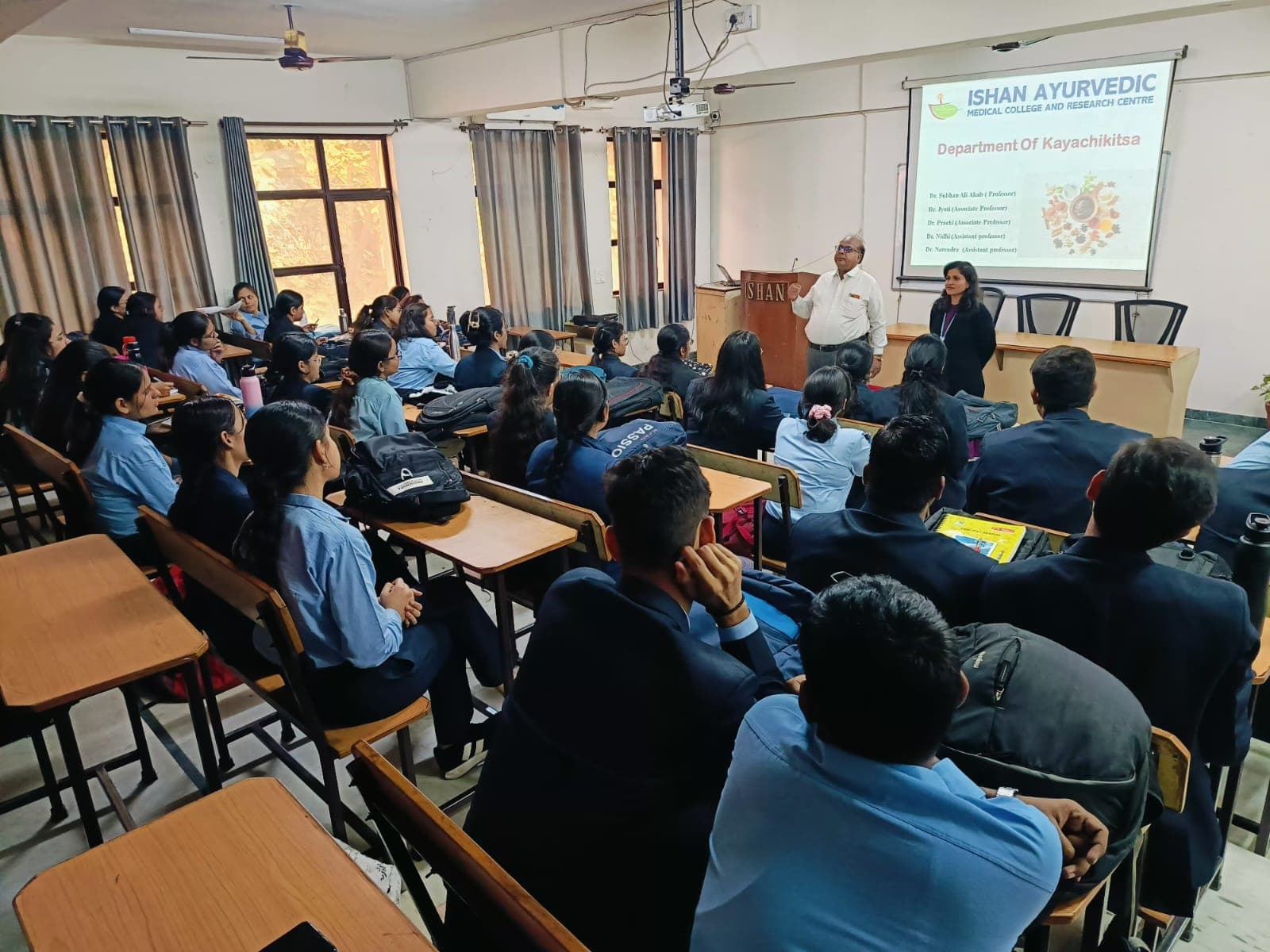
Department of Kaya Chikitsa
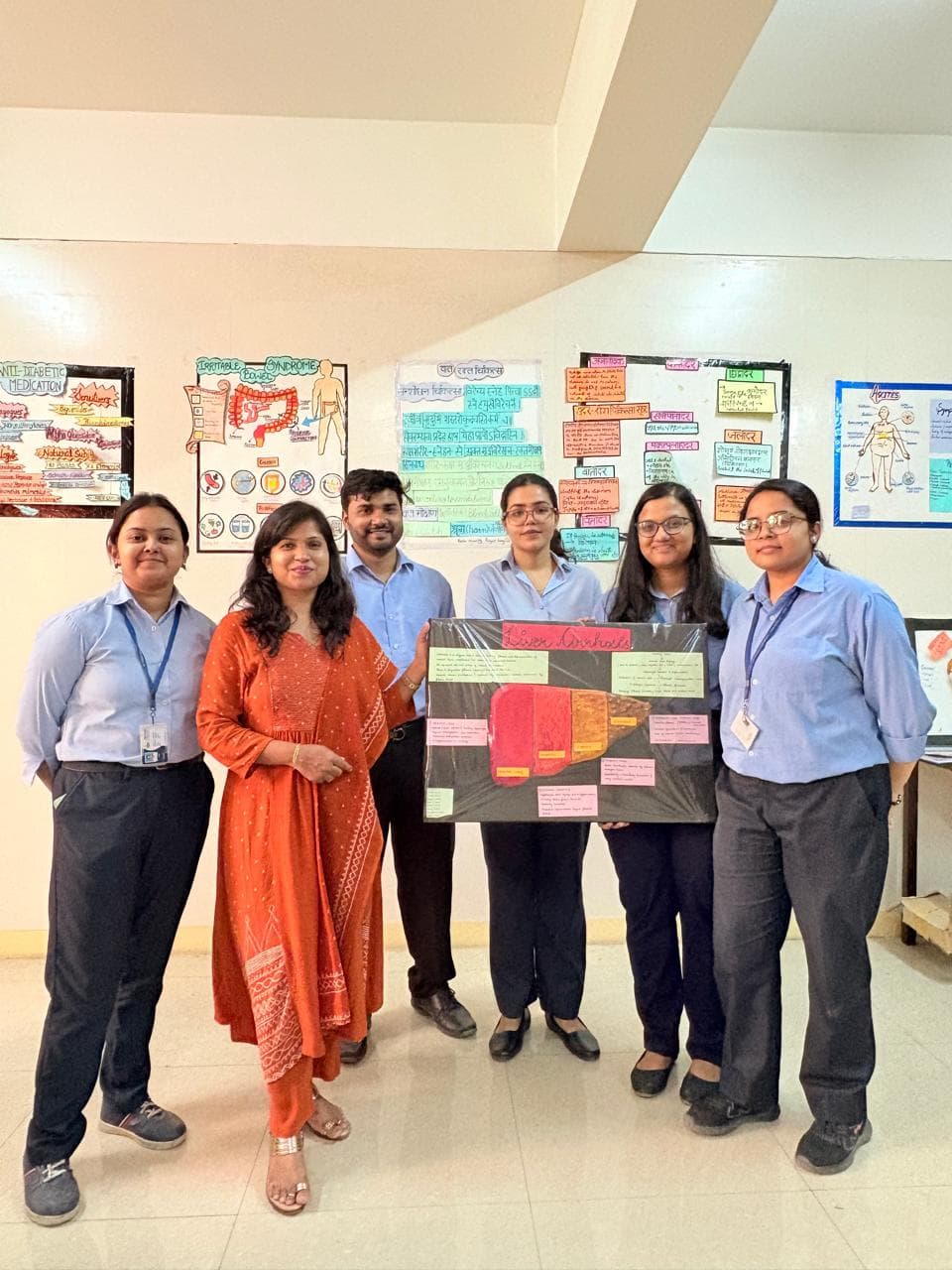
About the Department
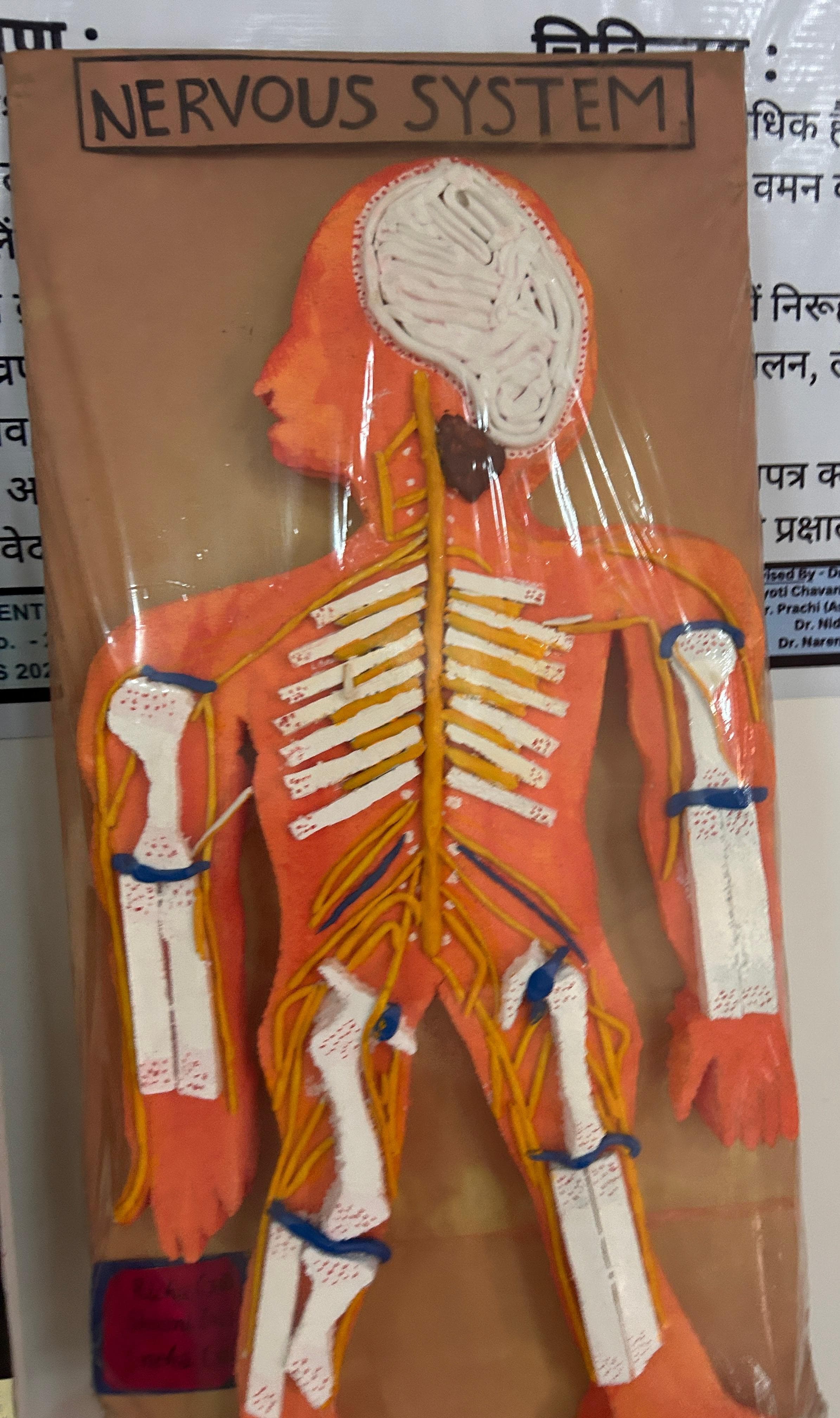
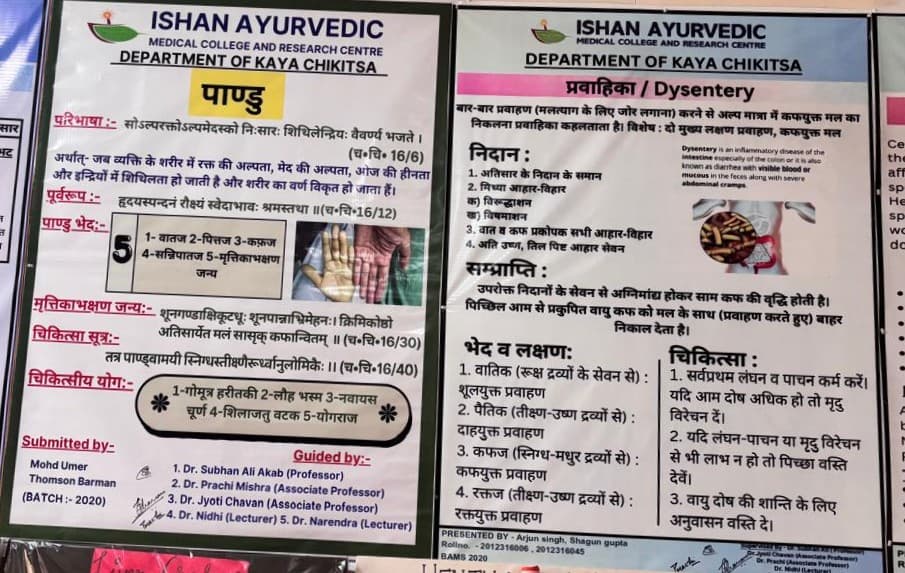
The Department of Kaya Chikitsa is a principal clinical branch of Ayurveda that focuses on the diagnosis and management of systemic diseases through classical Ayurvedic principles integrated with modern medical understanding. It emphasizes holistic patient care by addressing physical, mental, and social aspects of health, and utilizes therapies such as Rasayana and Vajikarana for prevention and treatment. The department provides extensive clinical exposure, enabling students to develop expertise in disease management, emergency care, and evidence-based Ayurvedic practice.
Key Areas of Study
Principles of Kaya Chikitsa and Trisutra
Foundational concepts of internal medicine
Management of systemic and chronic diseases
Clinical protocols and holistic therapy
Rasayana and Vajikarana therapies
Preventive and curative healthcare approaches
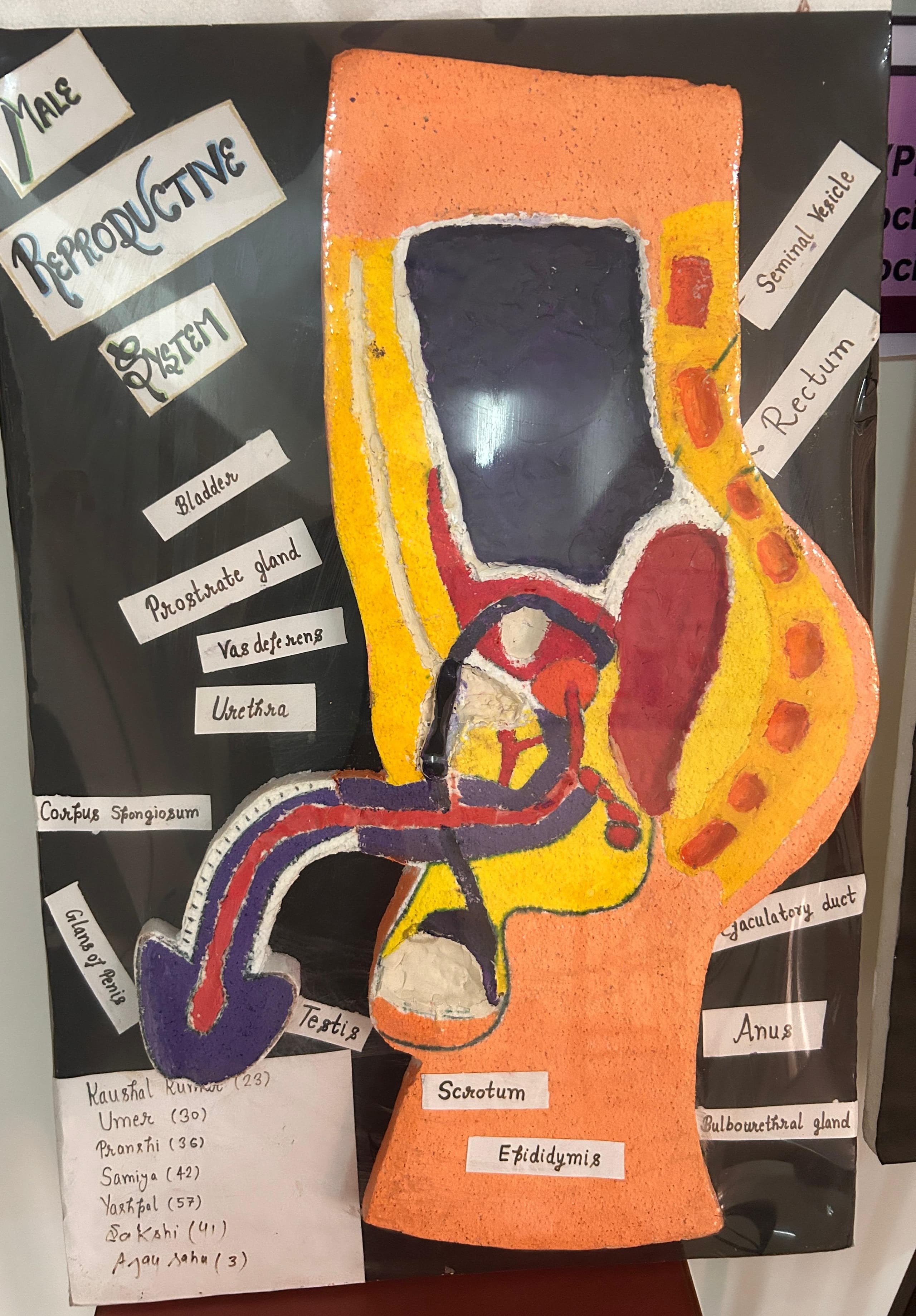
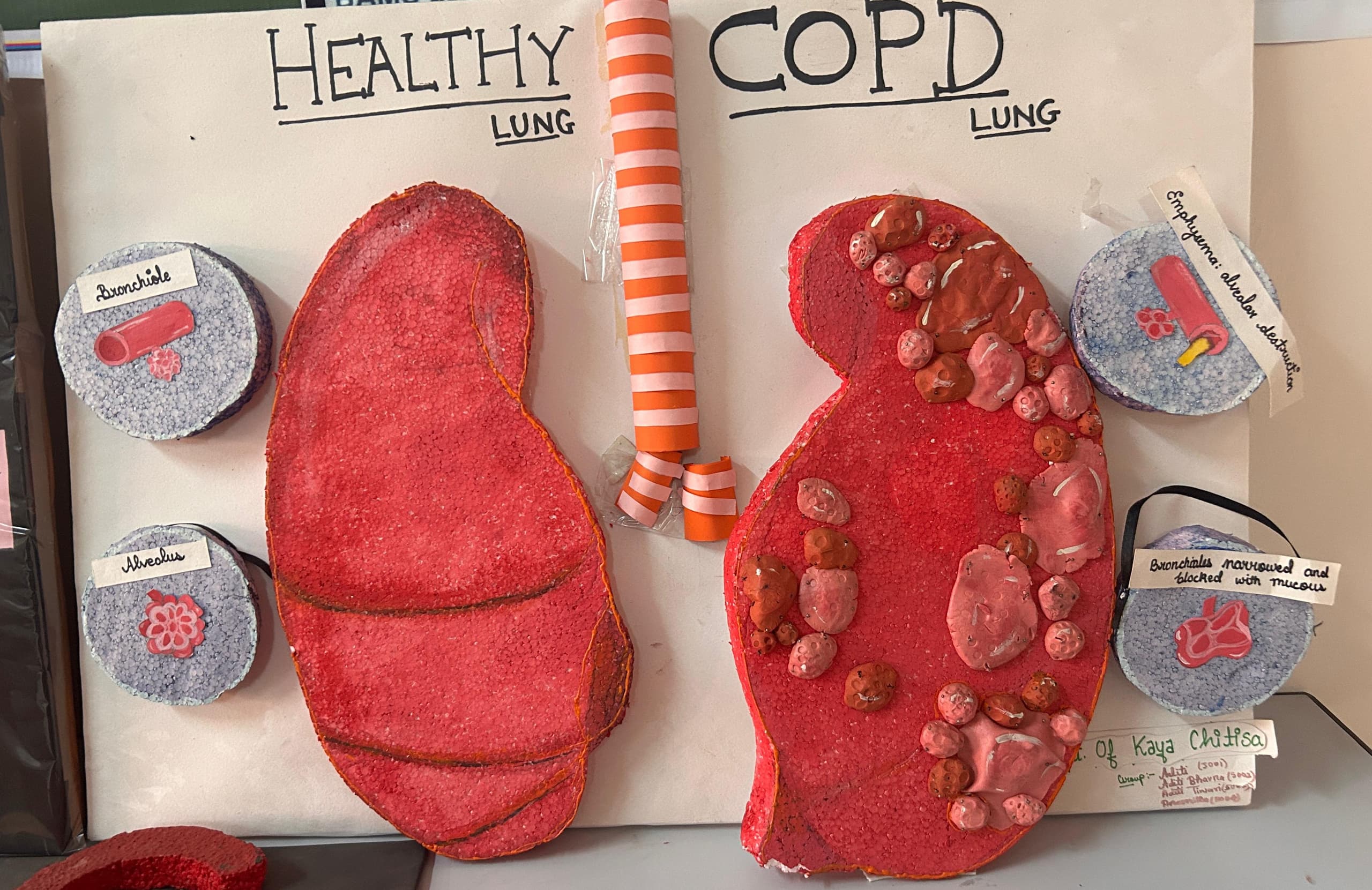
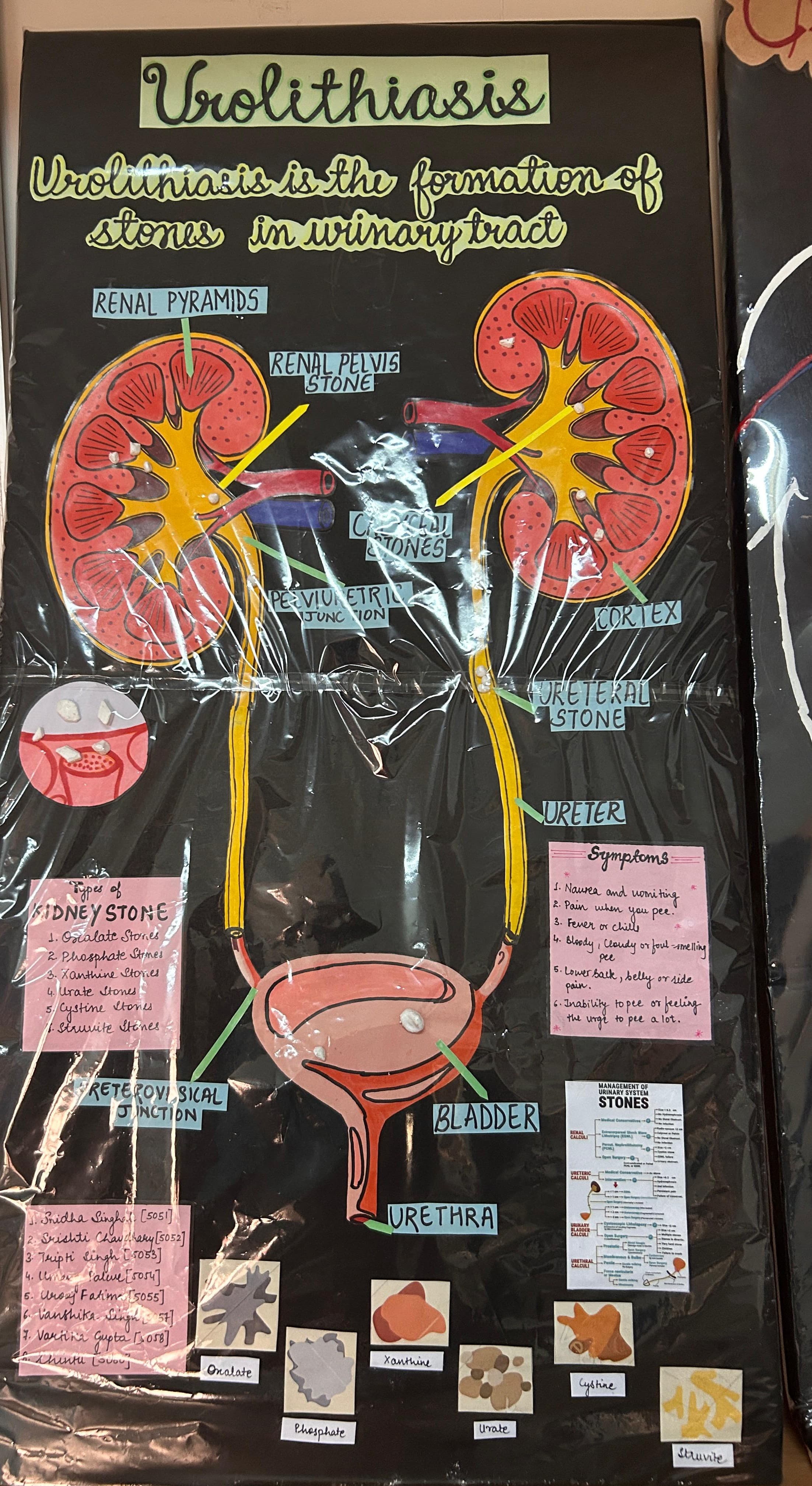
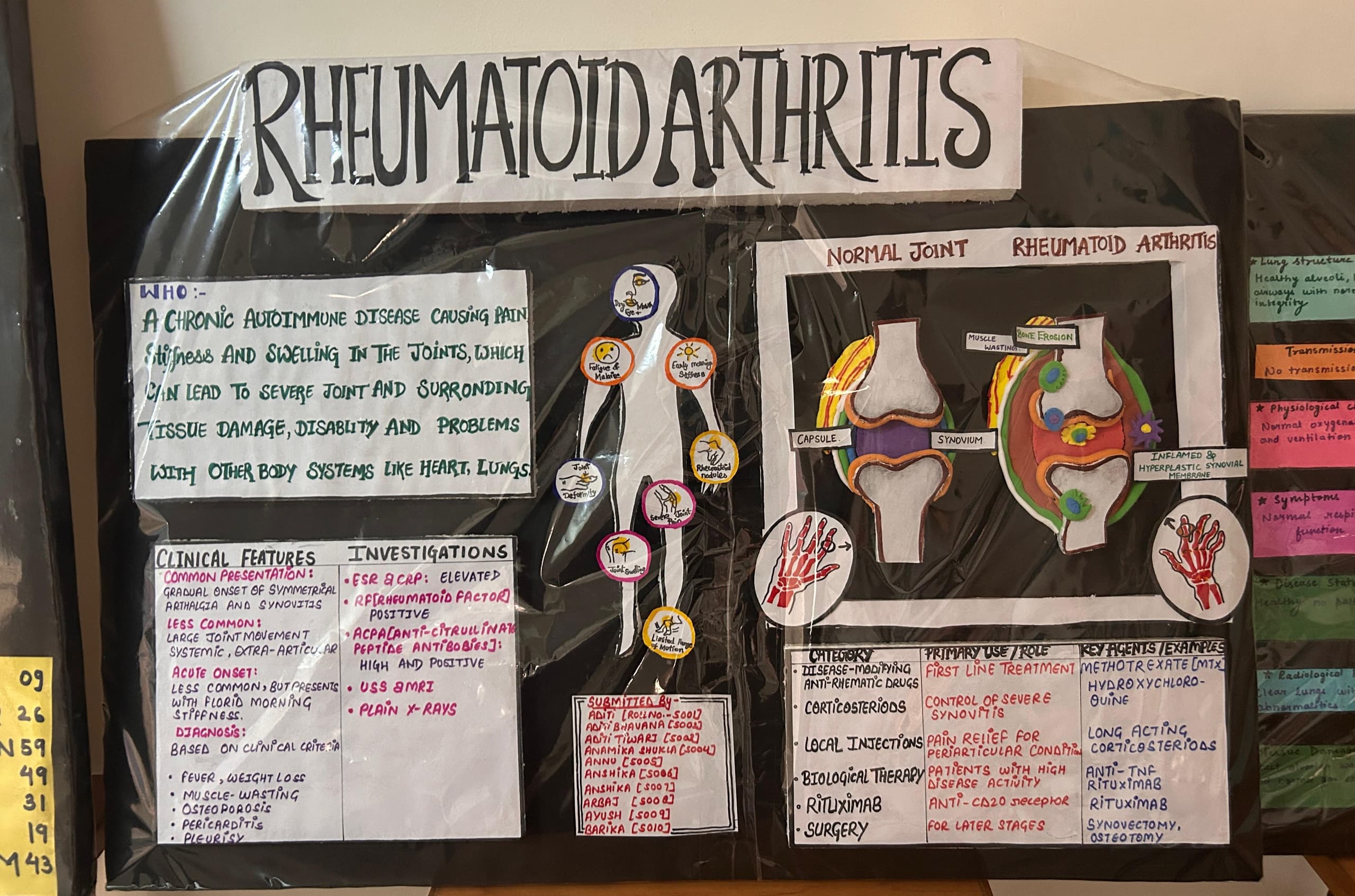
Departmental Lab
(for Clinical and Practical Training)
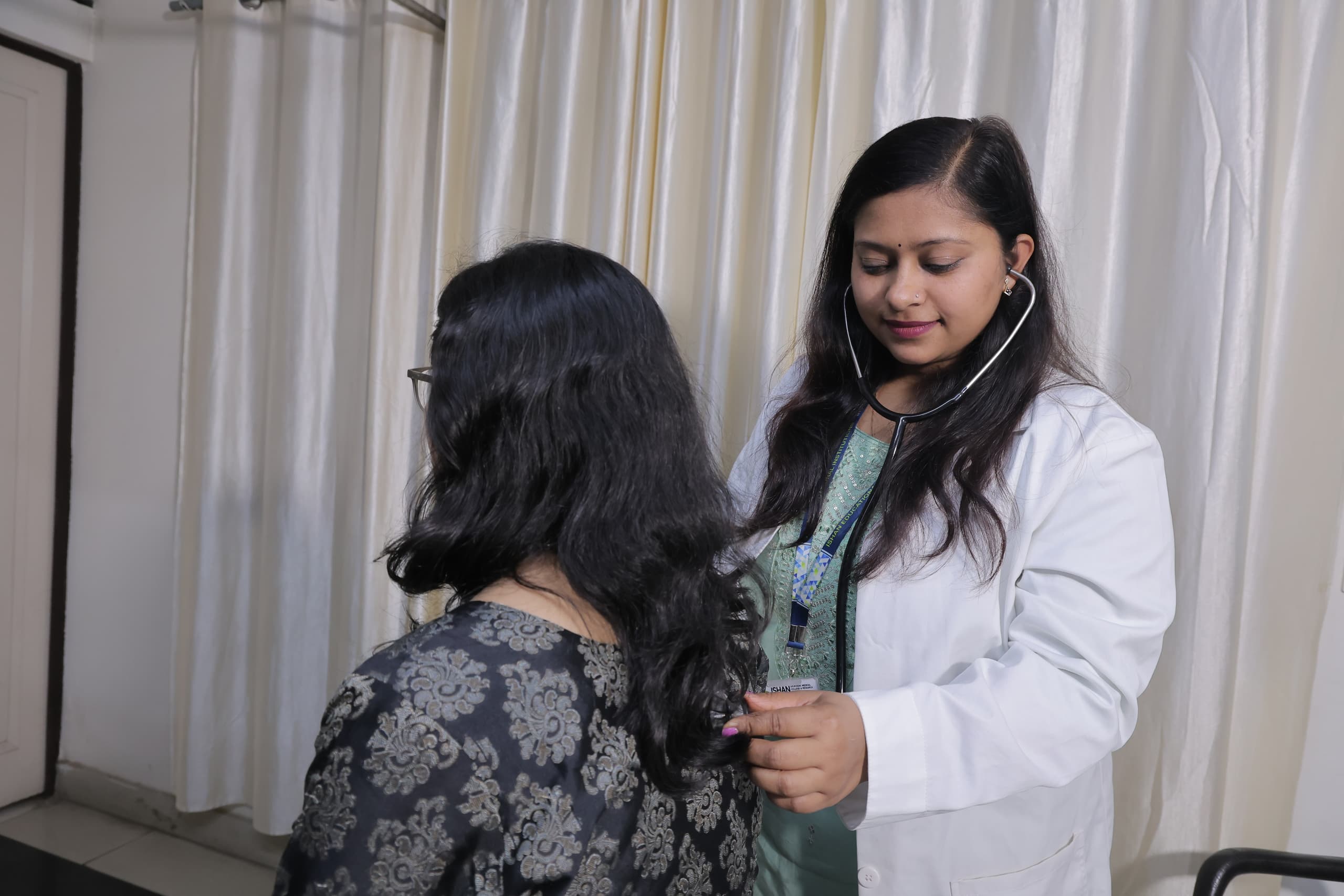
Clinical diagnosis and patient assessment
Preparation of treatment protocols
Management of emergency conditions and first aid
Programme Learning Outcomes (POs)
Demonstrate comprehensive knowledge and application of the Trisutra concept to explore root causes, identify clinical manifestations of disease, treat ailments, and maintain health.
Demonstrate knowledge and skills in Ayurveda through the integration of multidisciplinary perspectives and careful clinical and practical observation.
Demonstrate proficiency in holistic and individualized assessment for rational decision-making in disease management and health maintenance.
Perform procedures and therapeutic maneuvers with skill and dexterity in diverse clinical situations.
Demonstrate knowledge, skills, and professional attitudes required to provide holistic and quality healthcare.
Exhibit ethical conduct, compassion, and virtuous behavior to enhance the well-being of individuals and society.
Demonstrate self-directed learning for continuous advancement of knowledge and contribution to healthcare and societal well-being.
Demonstrate effective communication skills with patients, families, communities, and professional peers.
Demonstrate an understanding of the roles and skills required as a practitioner, researcher, and academician, along with the aspiration to excel in these domains.
Course Outcomes (COs)
Kaya Chikitsa
Appraise knowledge of health and disease along with principles and practices of Kayachikitsa in various ailments of the adult population in alignment with the Trisutra concept.
Integrate multidisciplinary sciences, tools, and techniques for a biopsychosocial approach towards diagnosis, prognosis, and management of diseases, including Anukta Roga, to restore Dhatusamya.
Construct treatment plans and protocols applying Yukti in accordance with Chikitsa Sutra, including Pathya-Apathya, with proper documentation adhering to legal, safety, and regulatory standards.
Demonstrate application of Rasayana and Vajikarana as prophylactic, therapeutic, restorative, and palliative measures.
Perform various clinical skills (Karma Kaushalya) in managing Atyayika Avastha, including first aid and primary care.
Demonstrate self-directed learning in pursuing advancements in biomedical research and government healthcare policies.
Demonstrate ethical behavior, compassion, and effective communication with patients, relatives, and stakeholders, including obtaining informed consent.
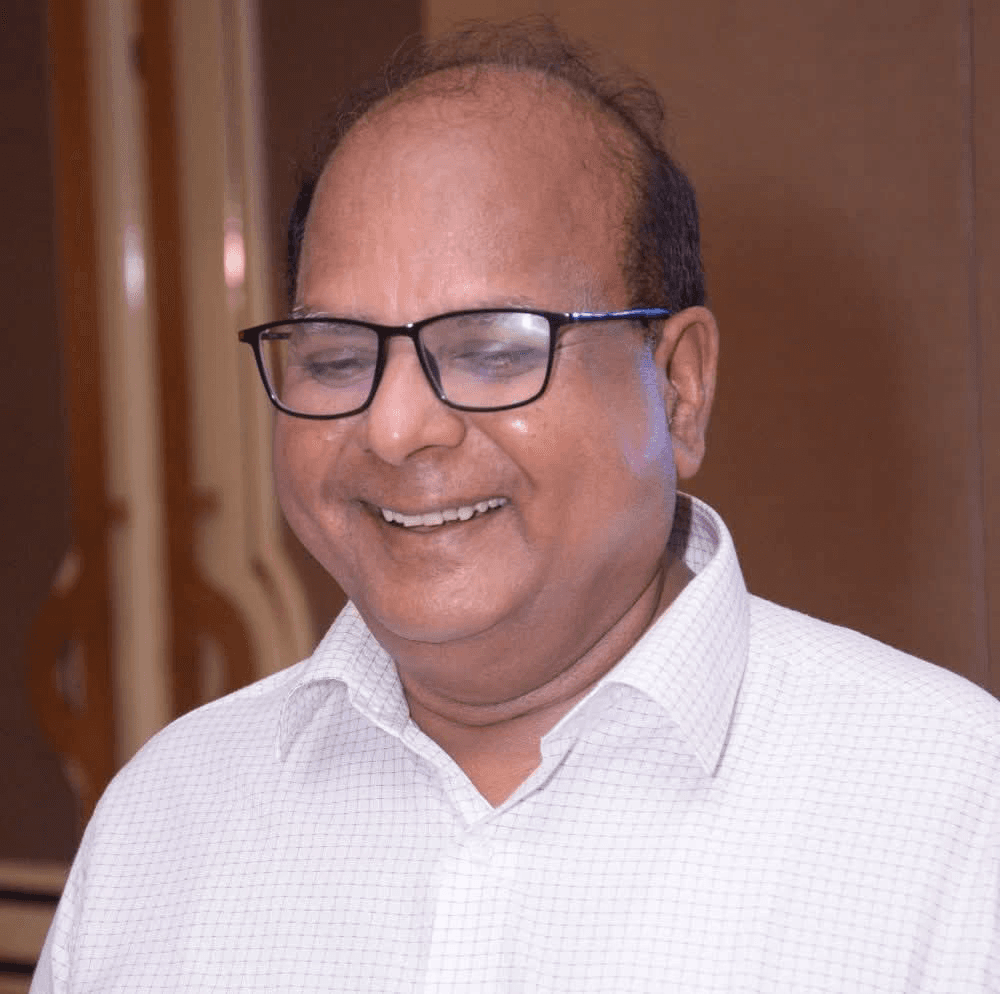
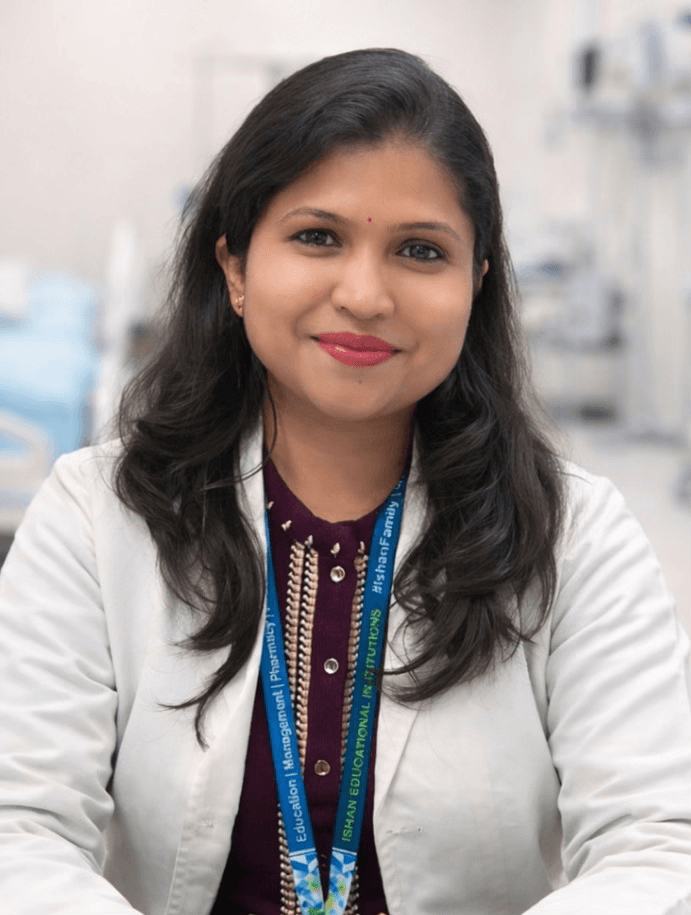
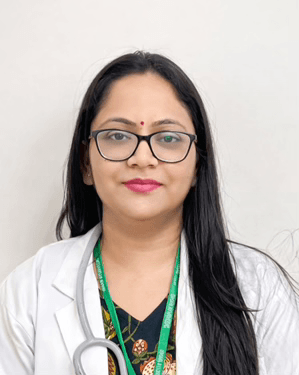
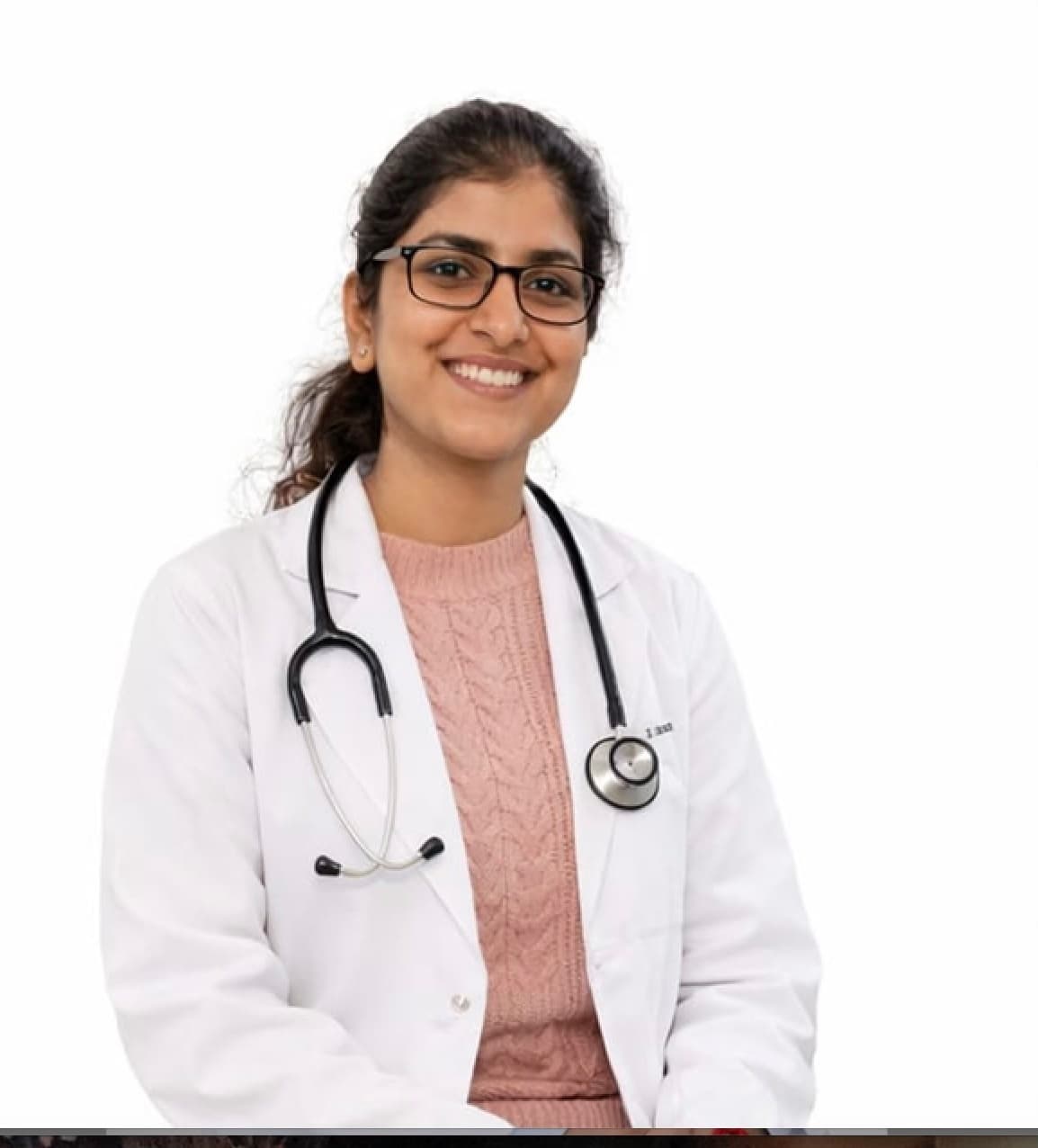
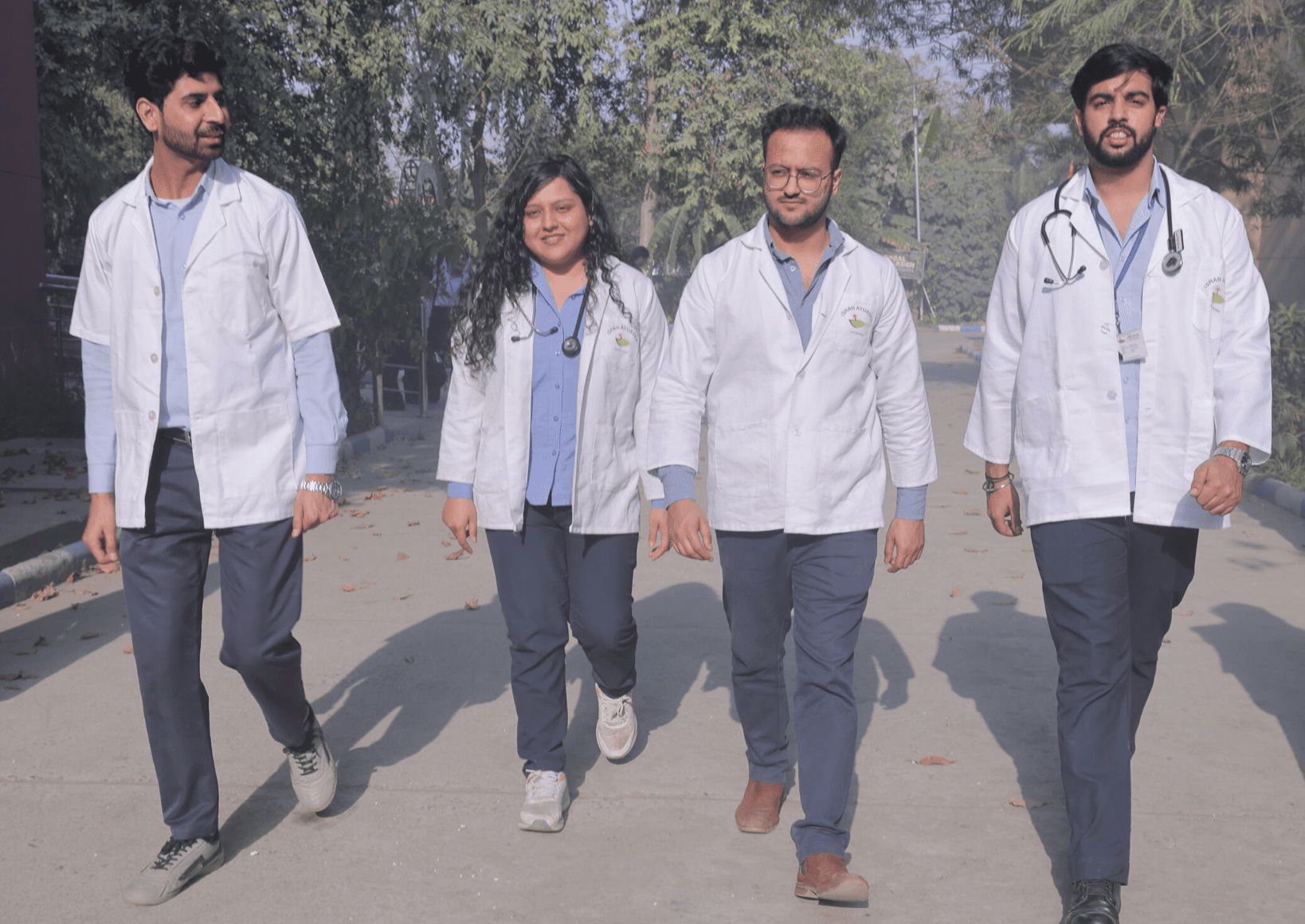
Our Esteemed Faculty
Scholars who guide the next generation with depth, dedication, and lived expertise.
Access detailed syllabus and curriculum structure
Get the complete academic blueprint—course outlines, learning outcomes, reading lists, and assessment frameworks.