Topic 01
Integrated Clinical Exposure
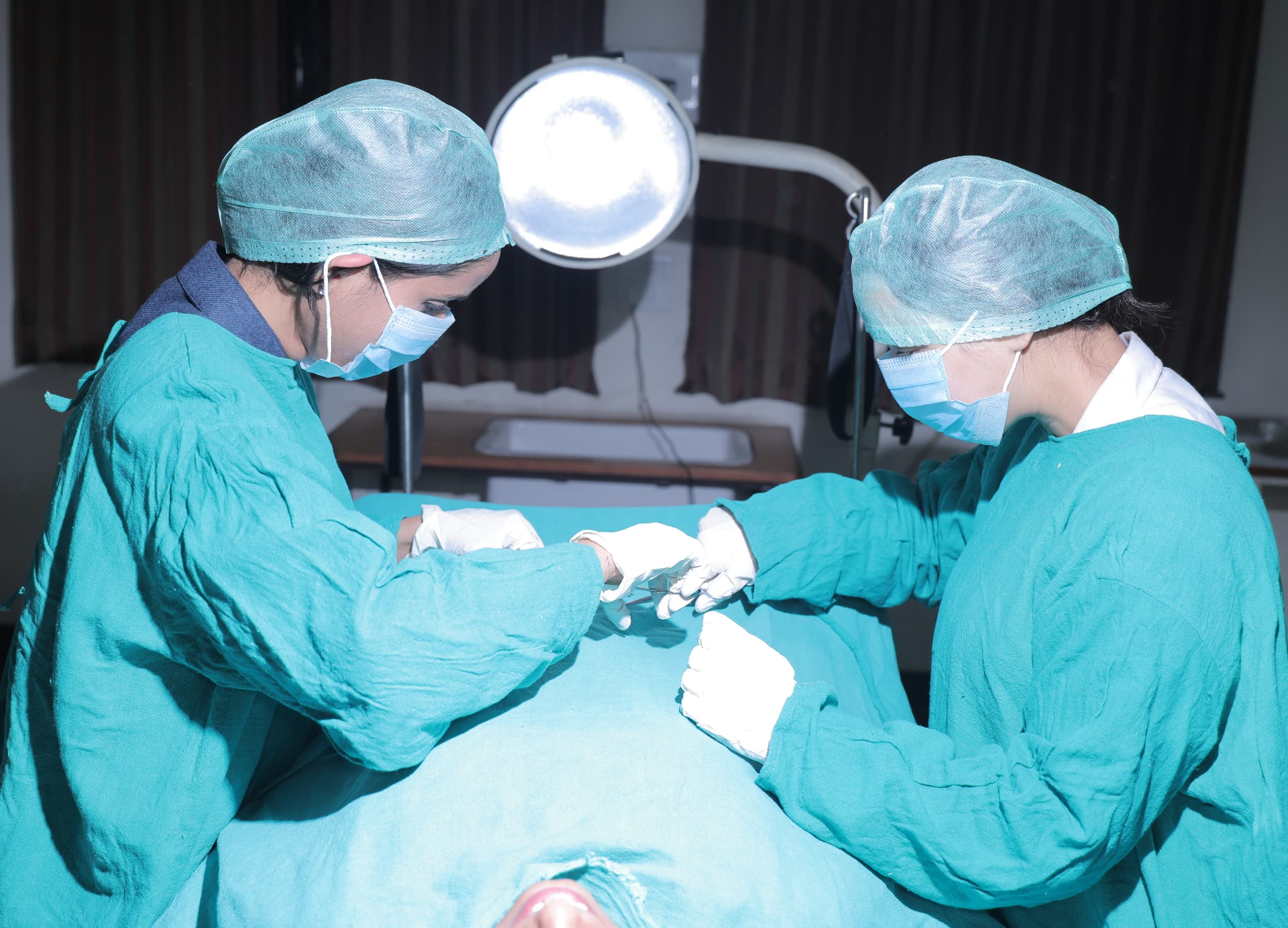
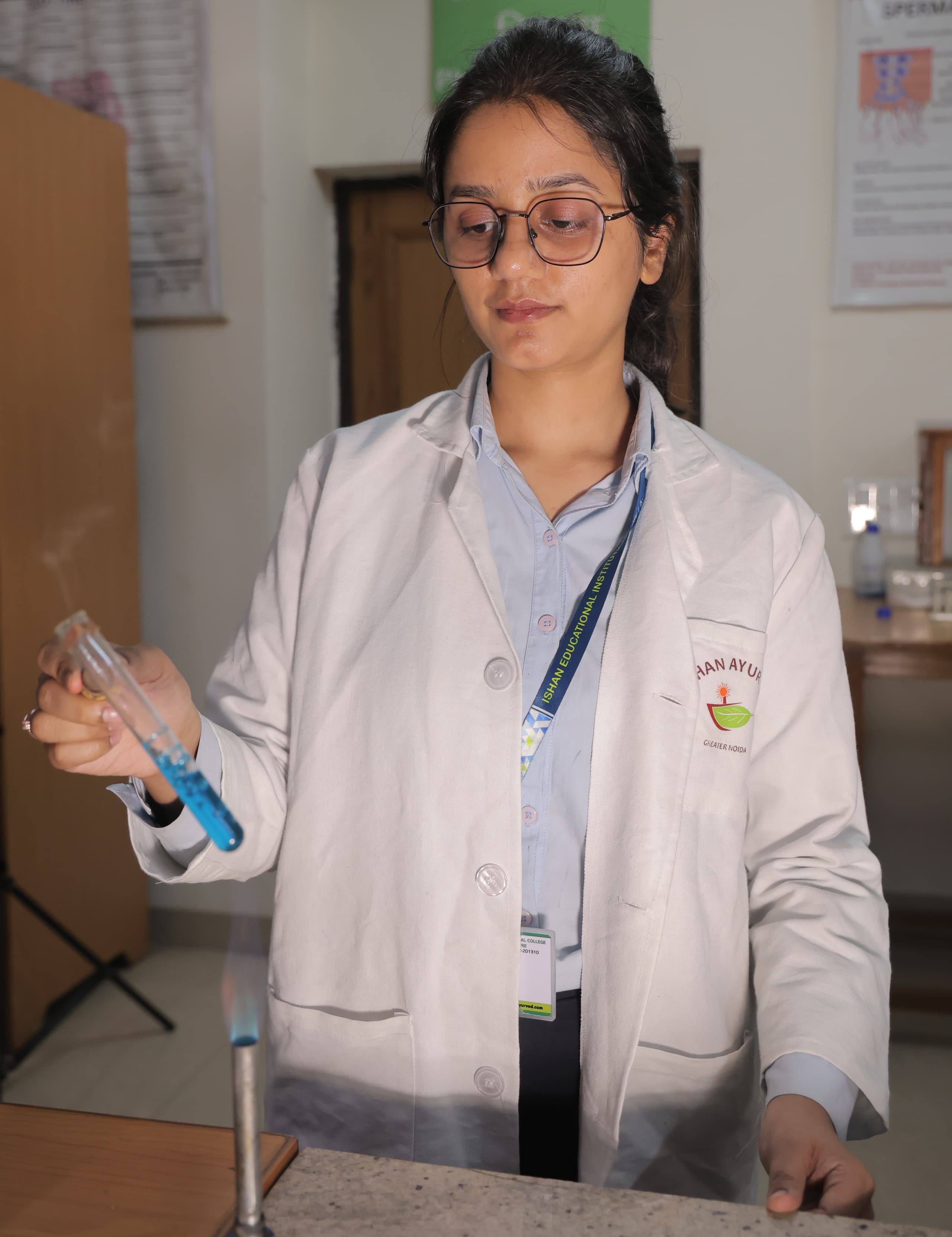
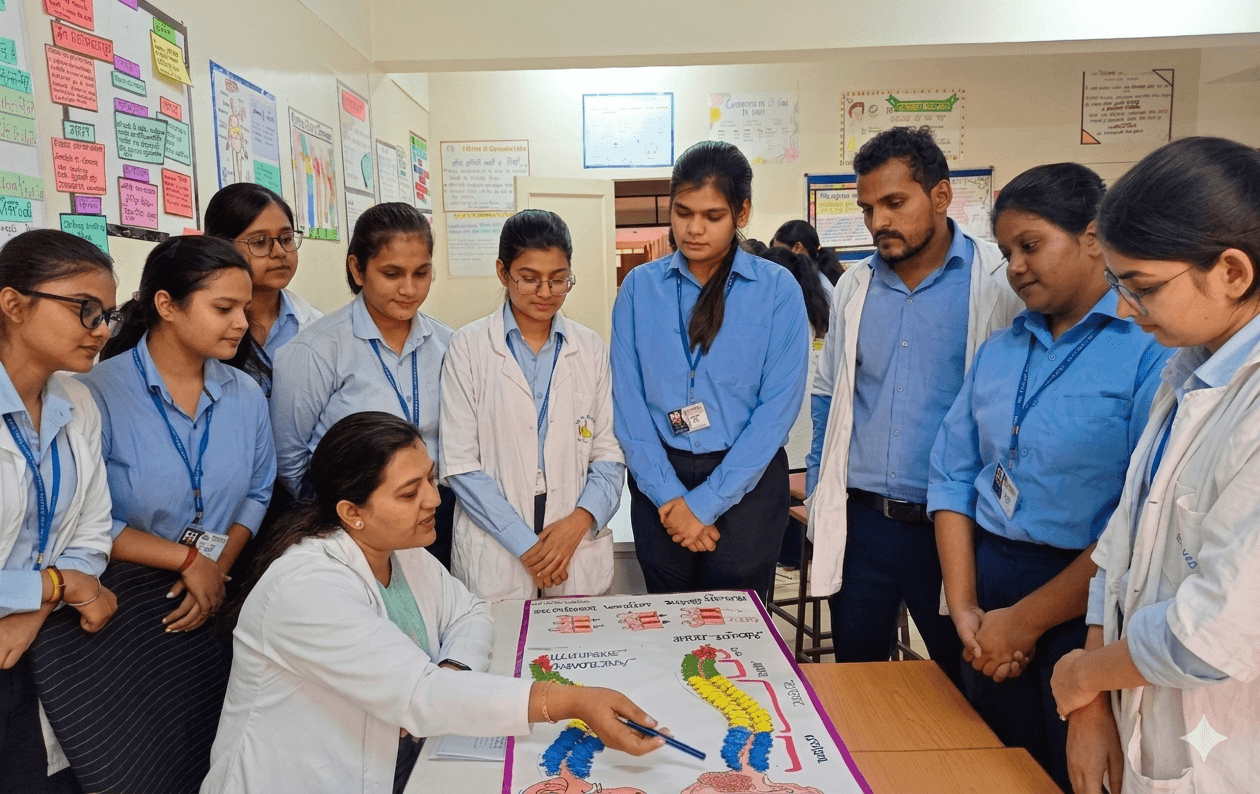
Students bridge the gap between traditional Ayurvedic texts and modern medicine through hands-on training at the institute's 100-bedded NABH-accredited hospital.

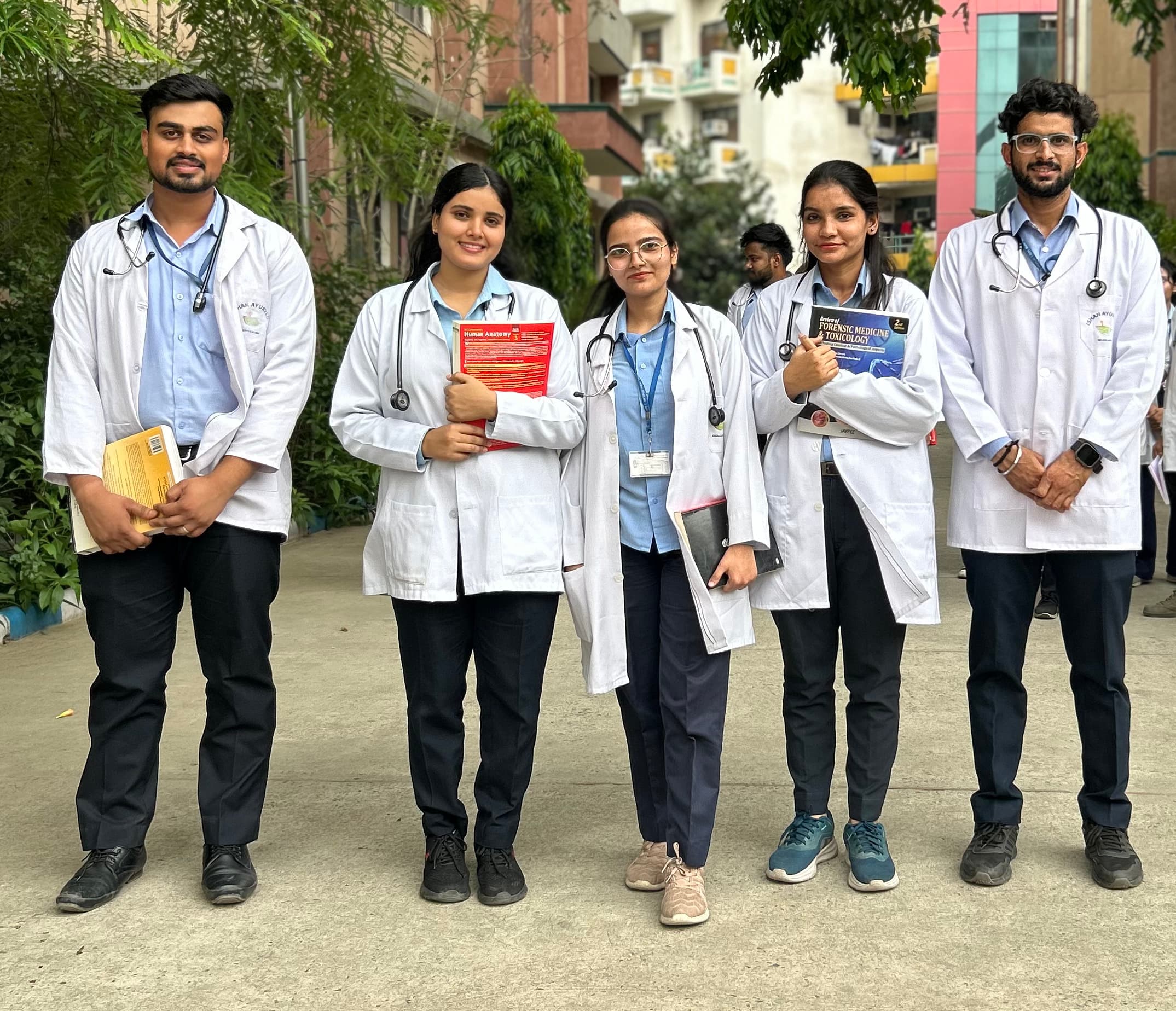
At IAMCRC, best practices are built around the synergy of tradition, innovation, clinical exposure, community healthcare, research, and a Sattvic learning environment.

An institutional commitment to nurturing skilled Ayurvedic physicians through the synergy of tradition, innovation, community service, research, clinical excellence, and sustainable healing environments.
Bridging ancient Shastras with modern diagnostic excellence through clinical exposure, outreach, and integrative learning.
Students bridge the gap between traditional Ayurvedic texts and modern medicine through hands-on training at the institute's 100-bedded NABH-accredited hospital.
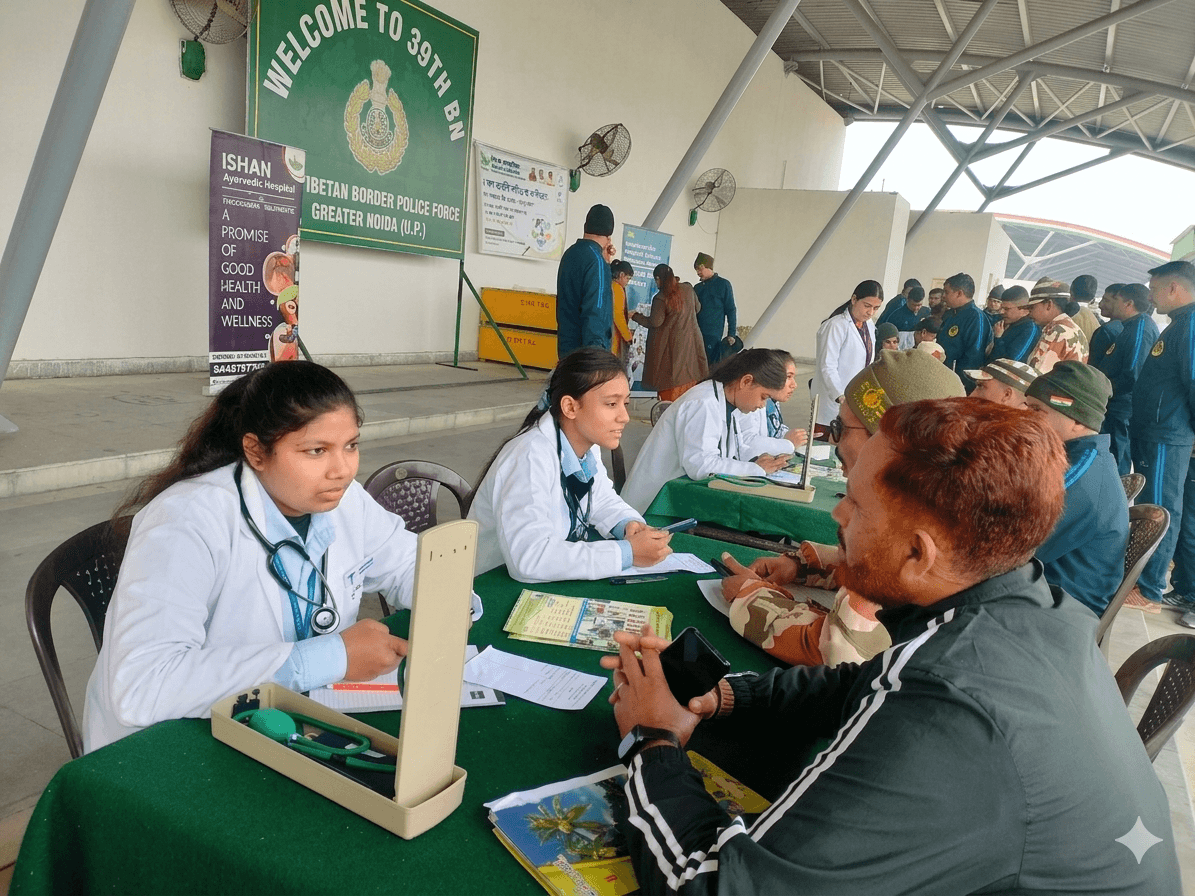
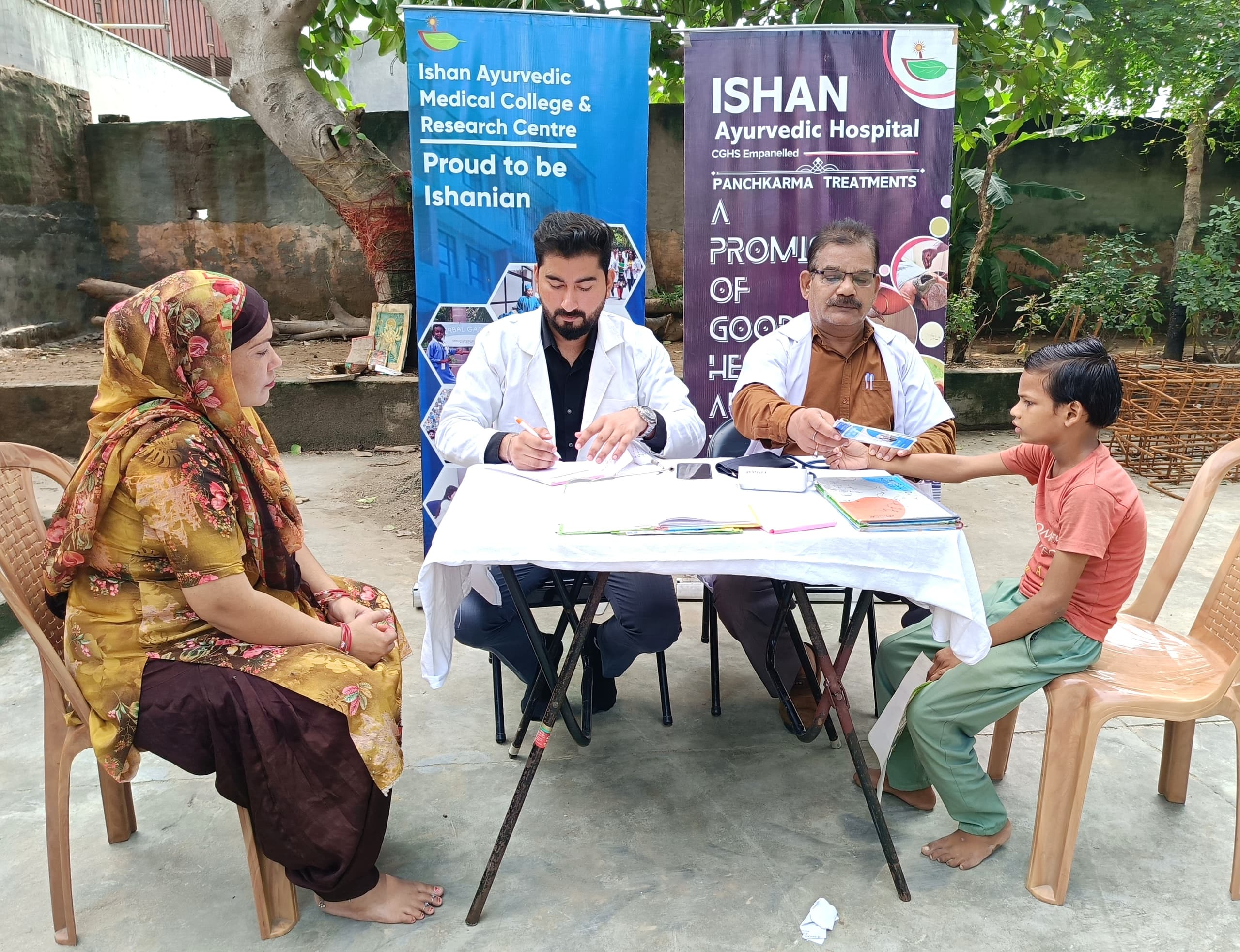
IAMCRC leads extensive health camps, including specialized medical camps for 20,000+ CRPF and paramilitary forces, along with 300+ rural and urban camps for underserved communities.
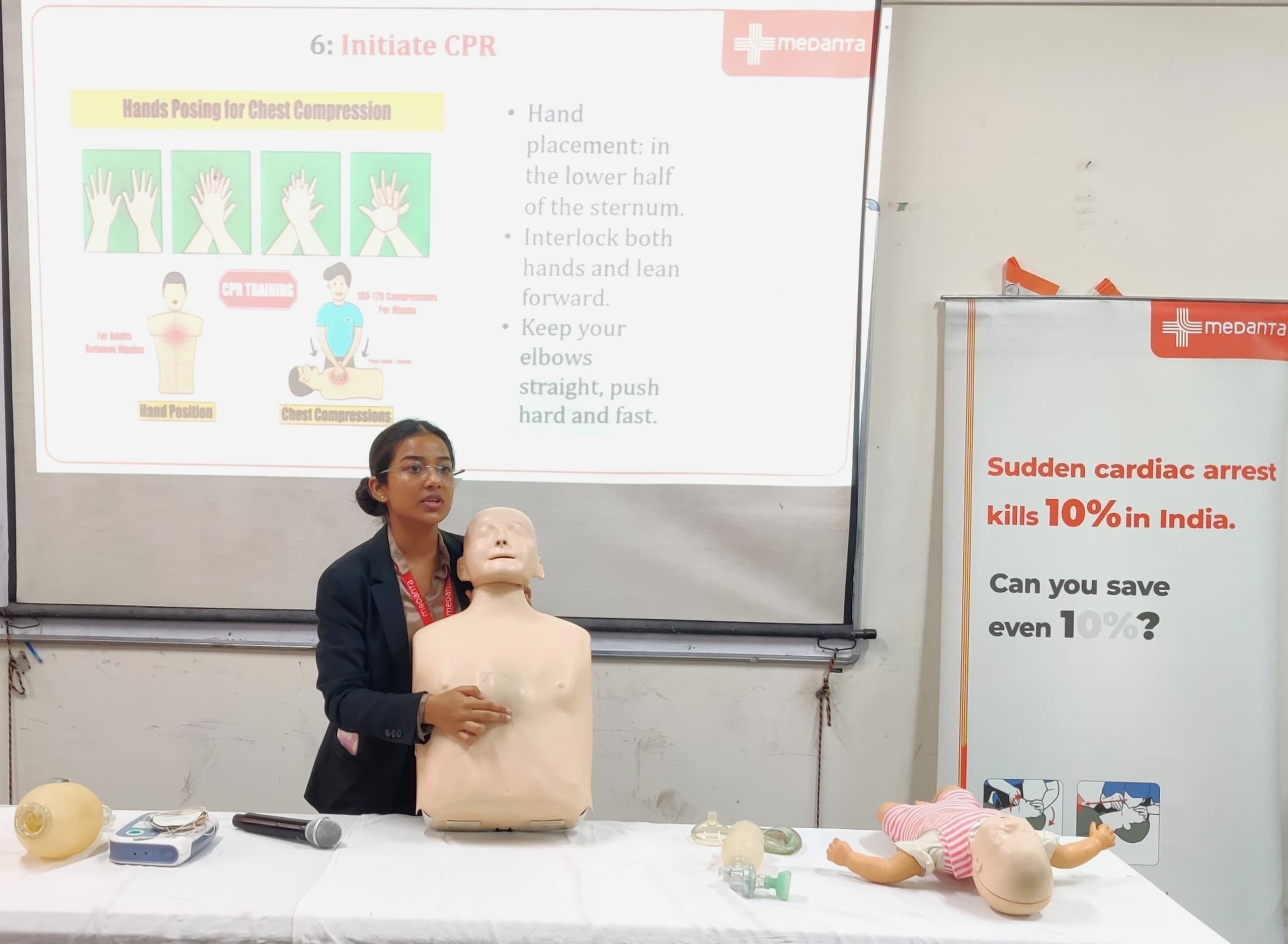
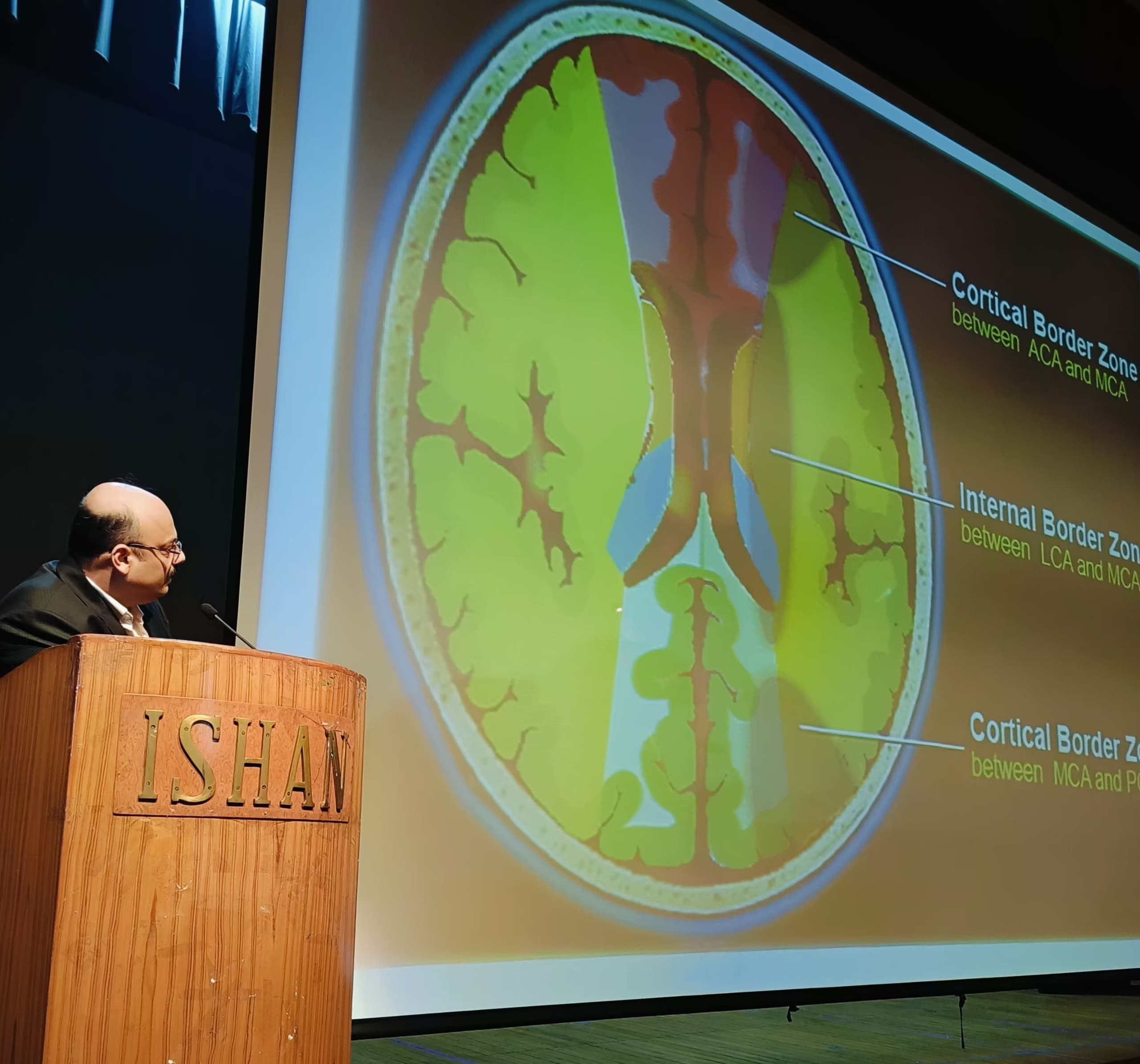
Regular sessions with eminent Ayurvedic scholars and allopathic practitioners help students develop a holistic, integrative medicine mindset.
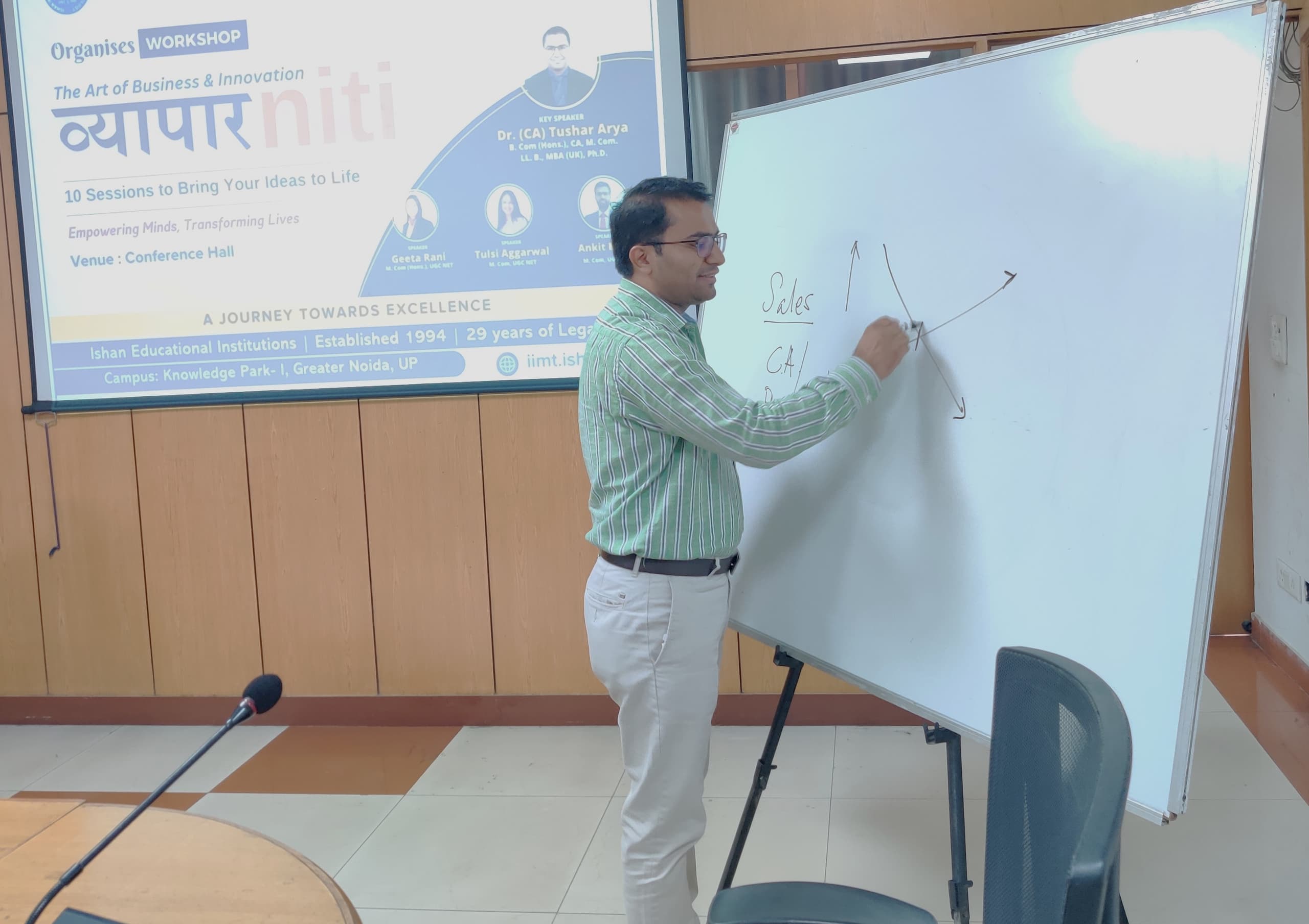
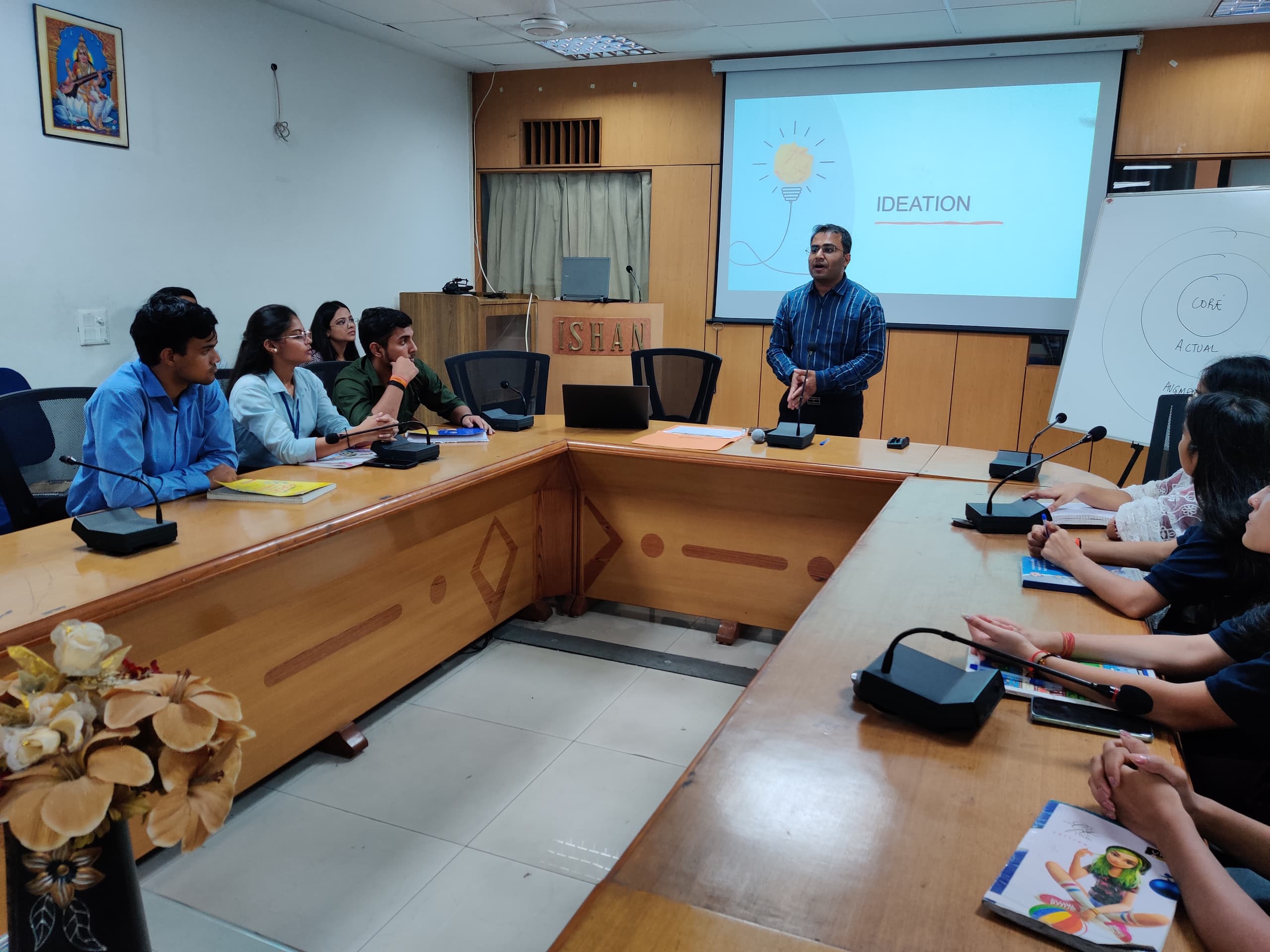
A flagship series empowering future doctors to transform traditional Ayurvedic formulations into modern wellness brands and become Ayur-preneurs in the global healthcare market.
Mentoring the next generation of Vaidyas through global exposure, guidance, alumni support, and responsive feedback systems.
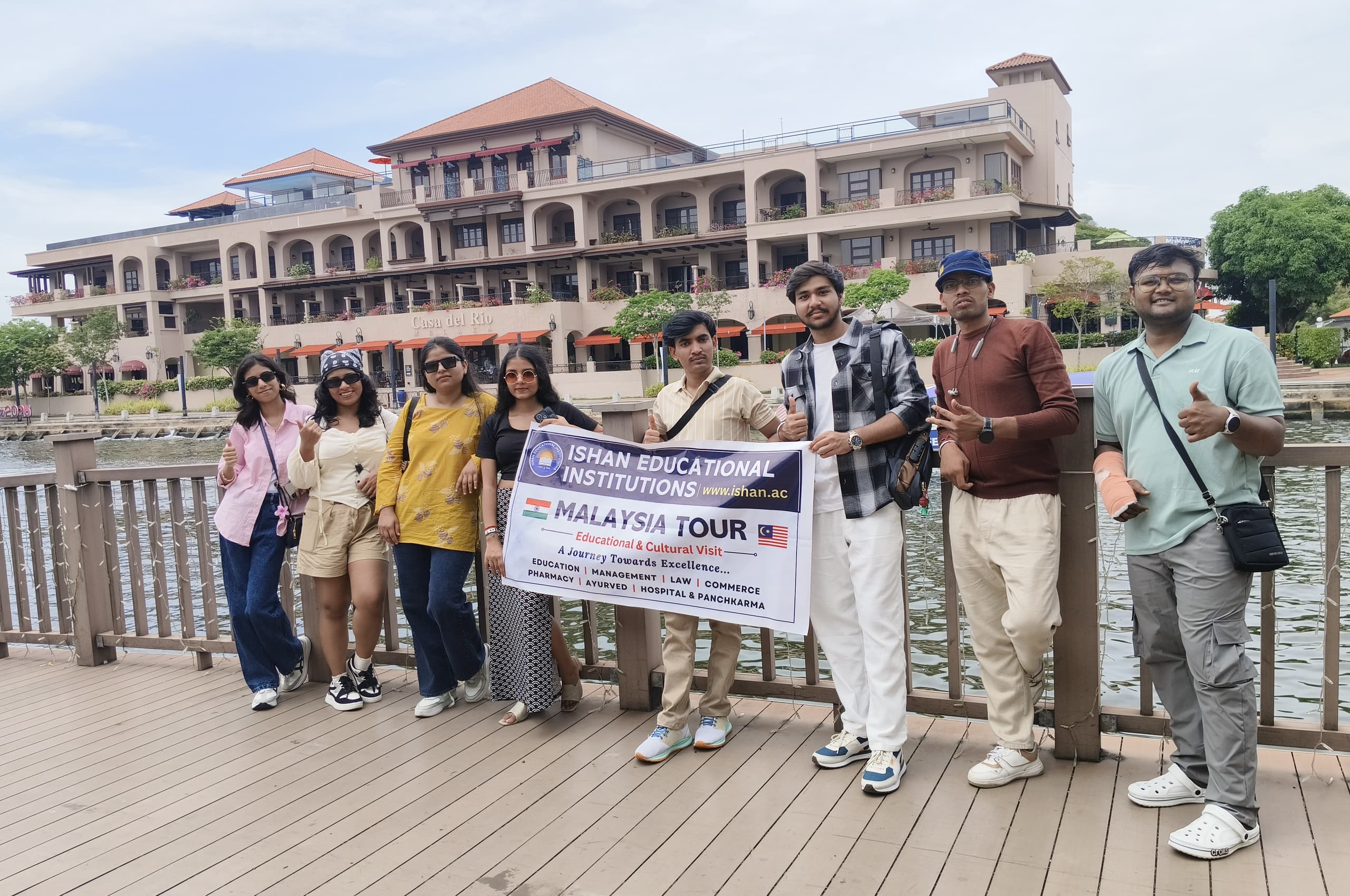
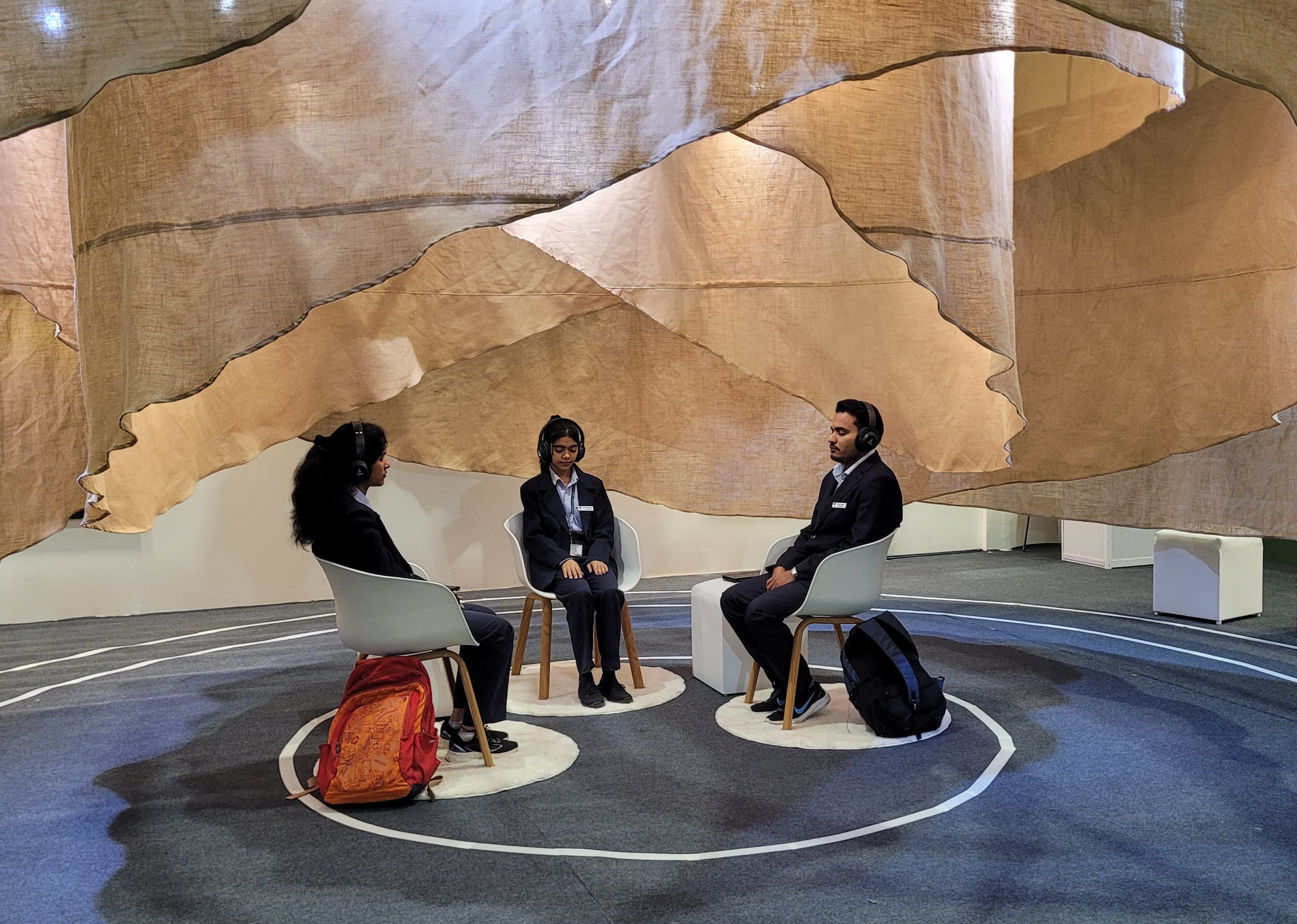
International study tours, including the Majestic Malaysia initiative, help students understand the global wellness economy, herbal research, and cross-cultural healthcare practices.
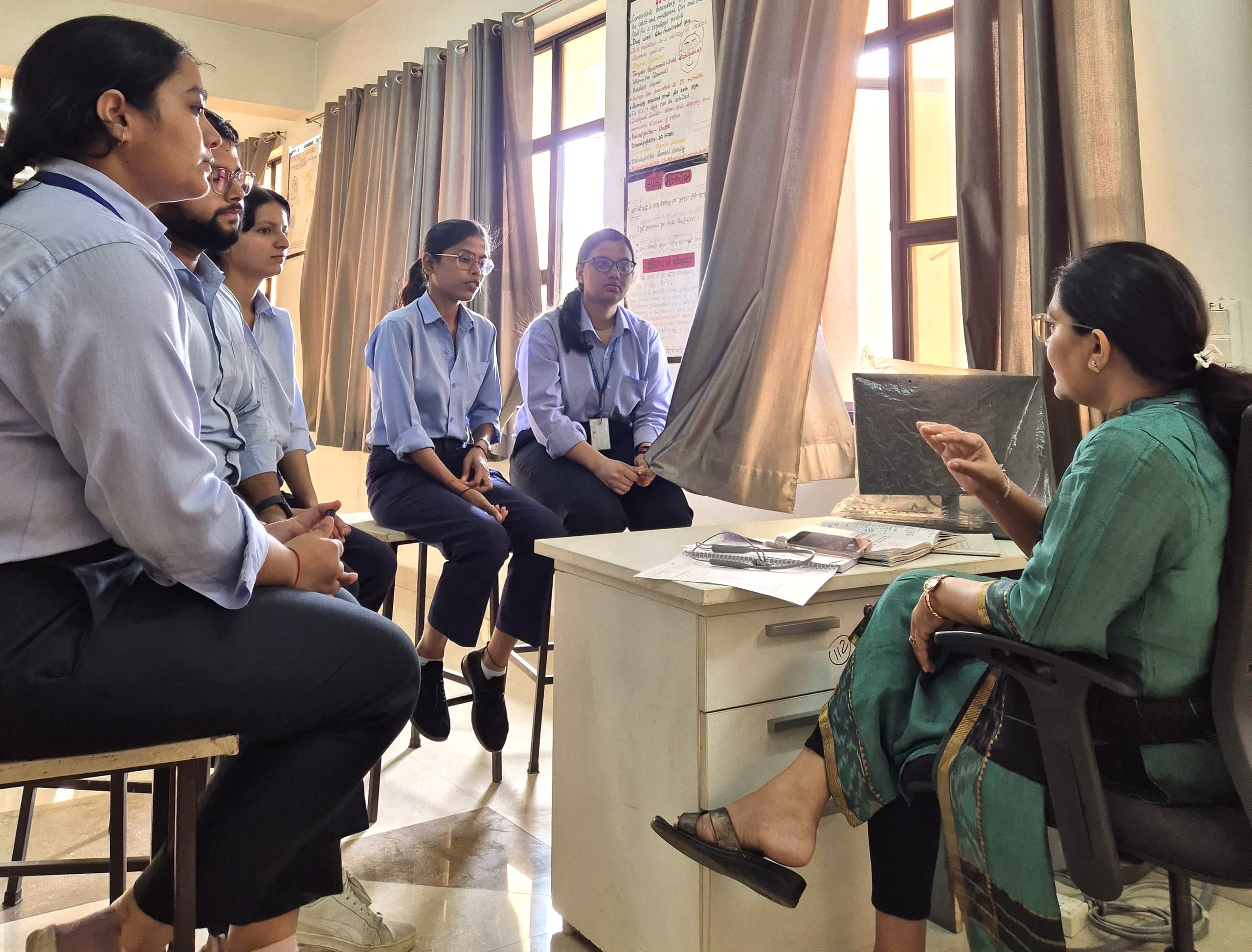
Dedicated faculty mentors serve as academic guides and life coaches, tracking each student's academic, clinical, and emotional progress in a demanding medical environment.
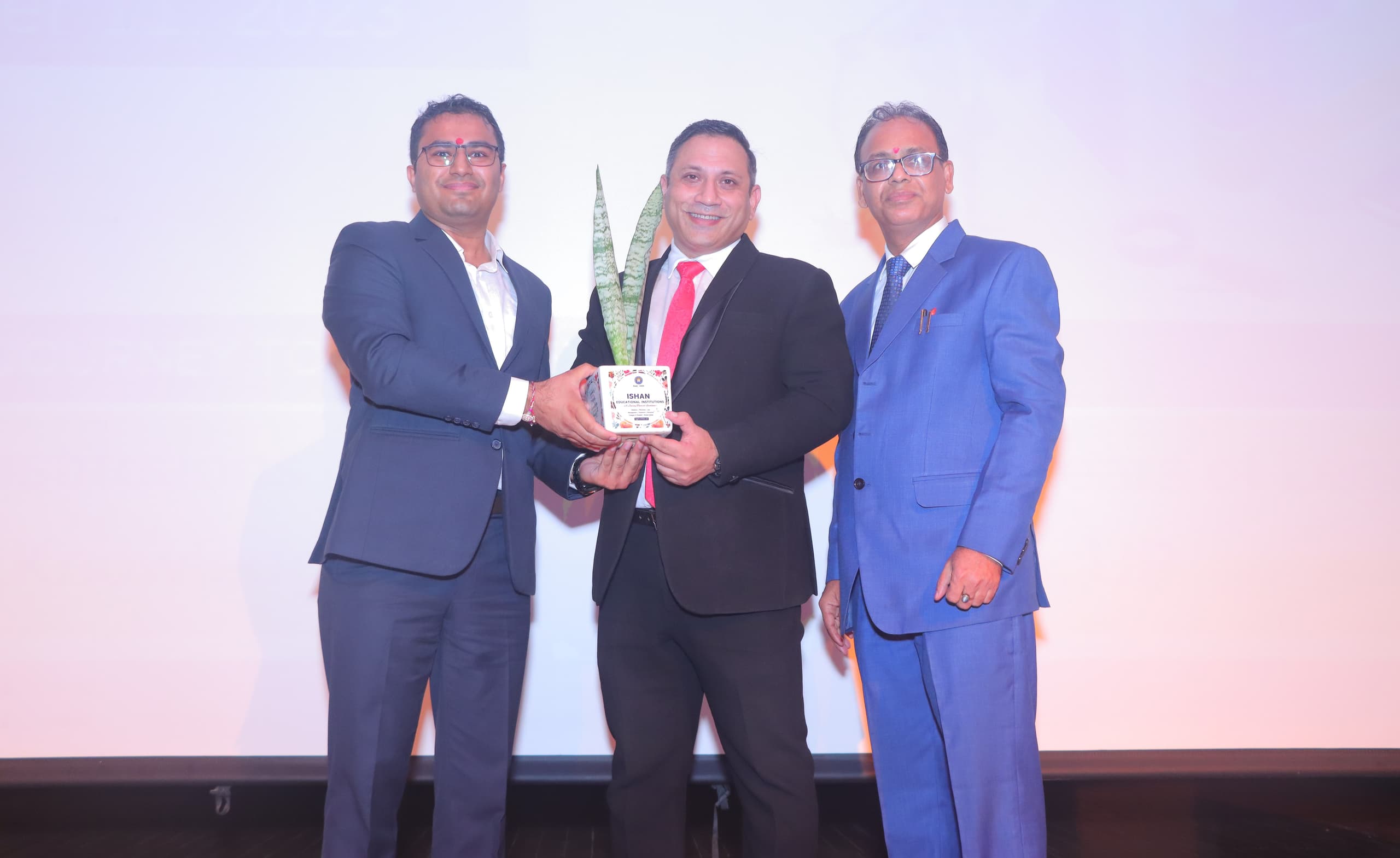
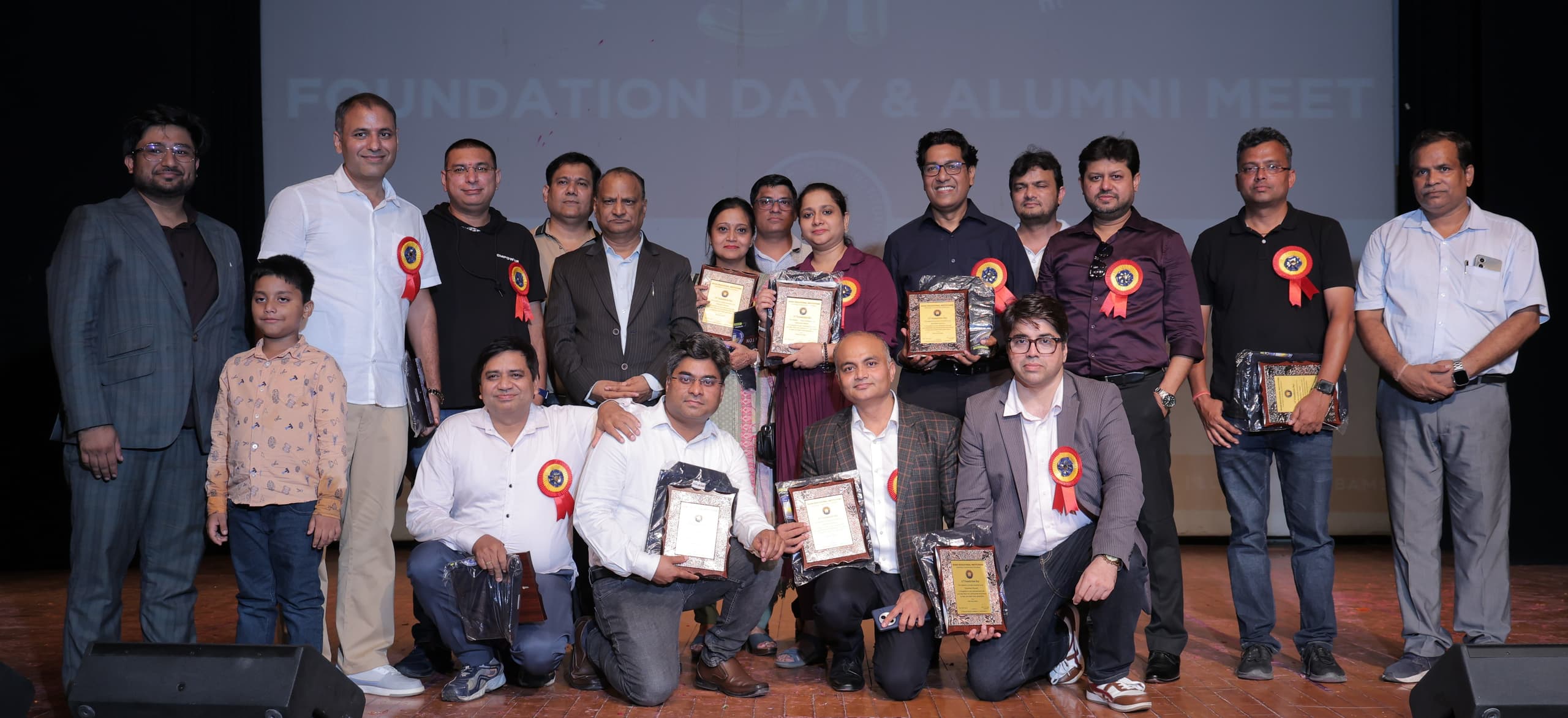
Students gain access to a powerful network of 8,500+ alumni from Ishan Educational Institutions for professional referrals, career support, and long-term guidance.
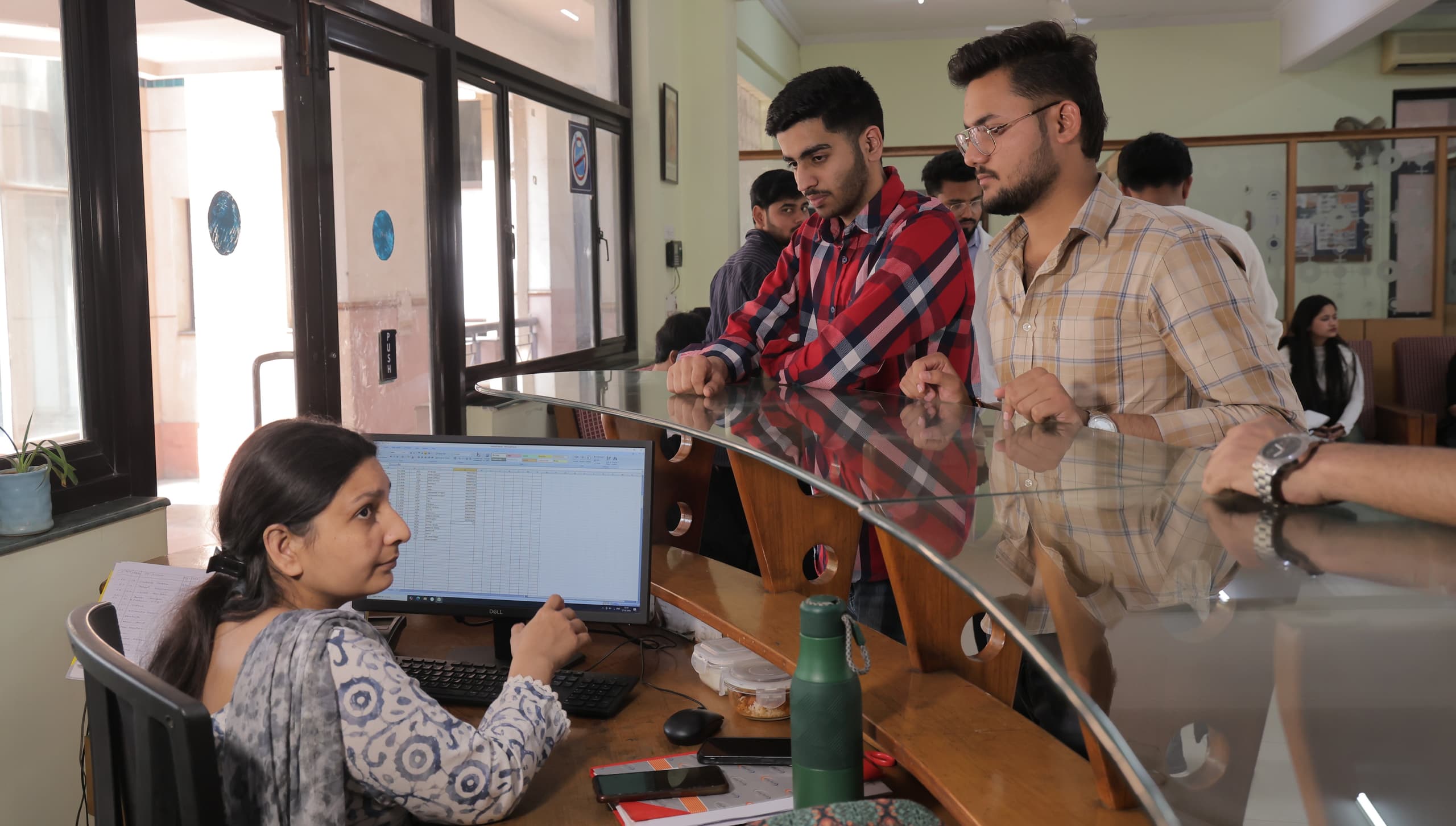
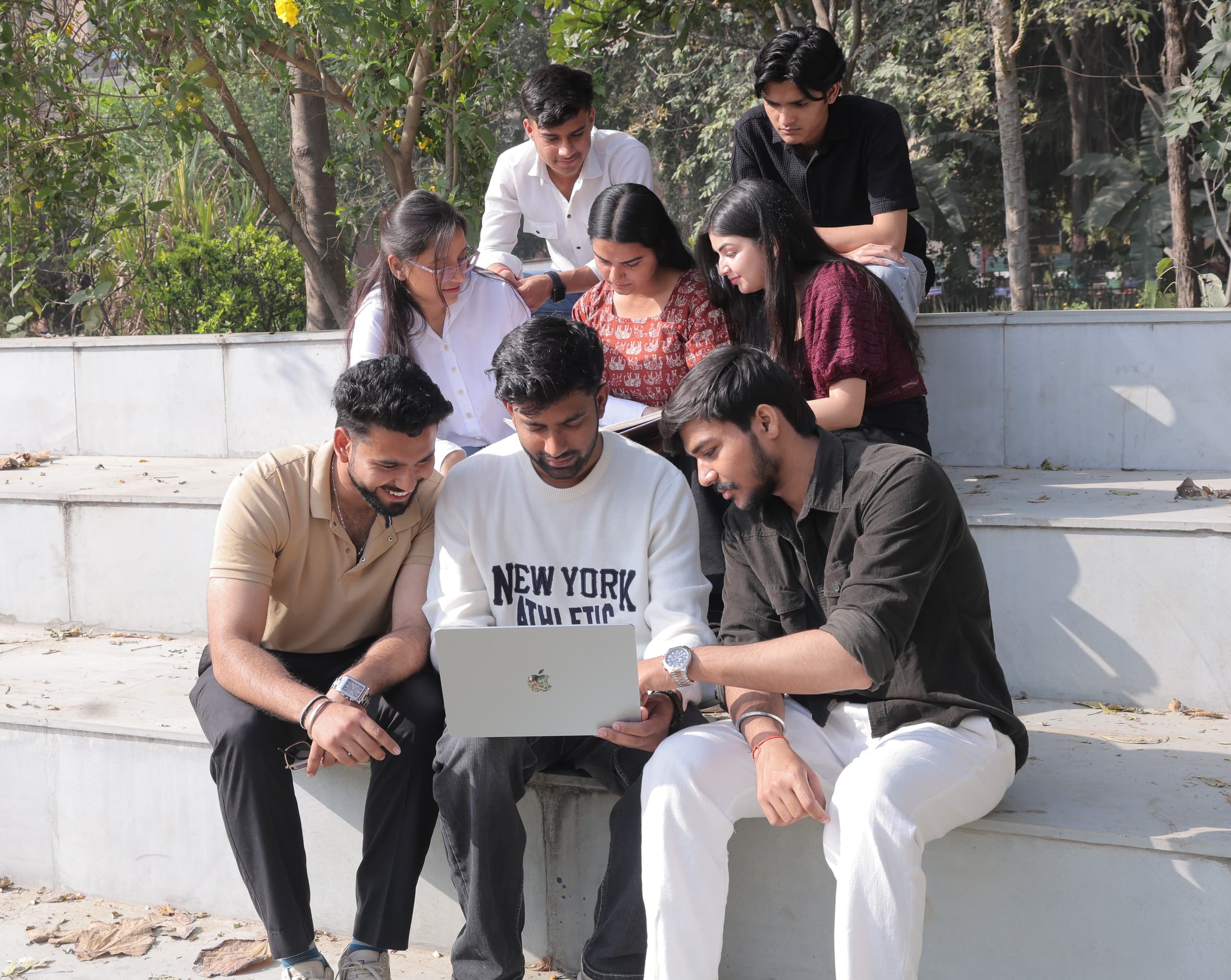
A transparent, student-led digital feedback system helps the institution continuously improve teaching methodologies and campus facilities based on real-time needs.
Advancing Ayurveda through evidence-based validation, clinical internships, and continuous faculty development.
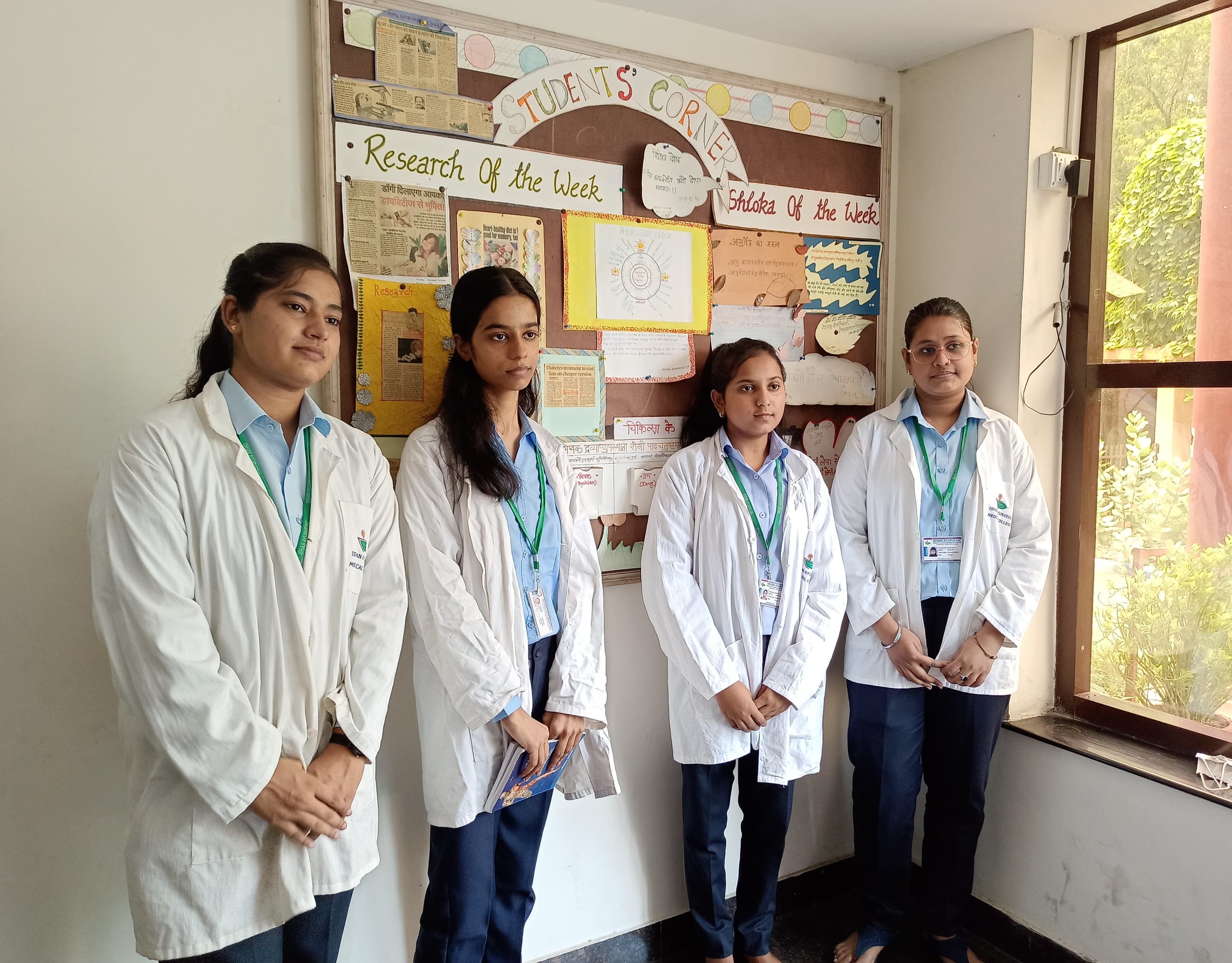
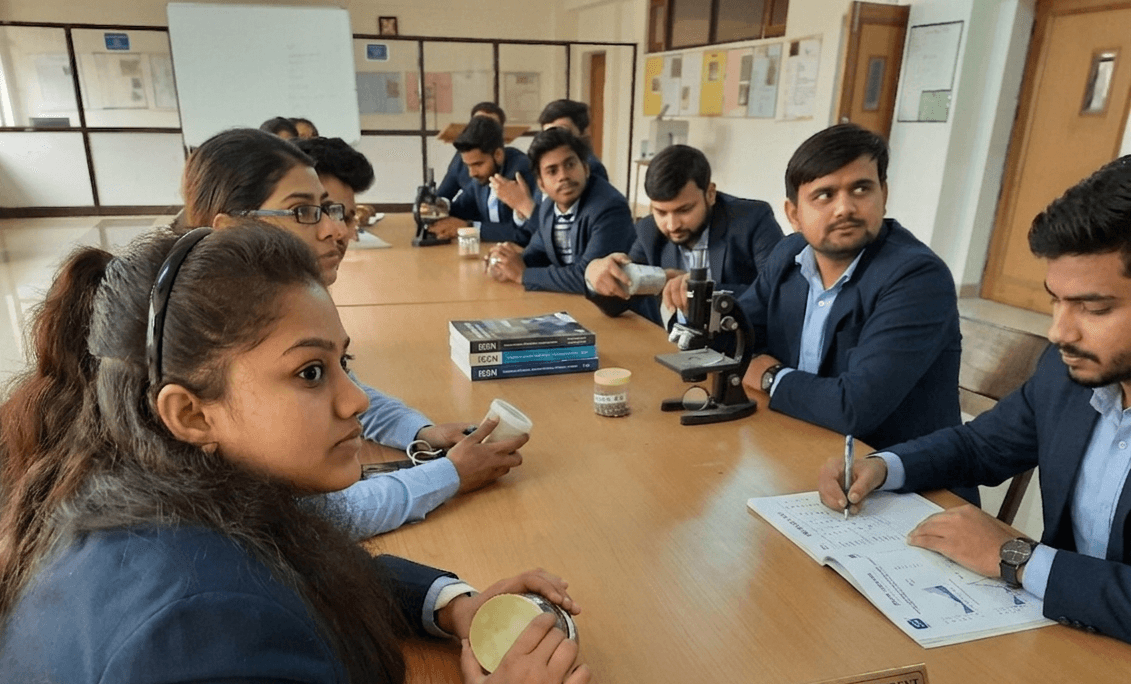
The college hosts its own national, peer-reviewed, ISSN-registered journal, giving students and faculty a strong platform for original findings and clinical case studies.
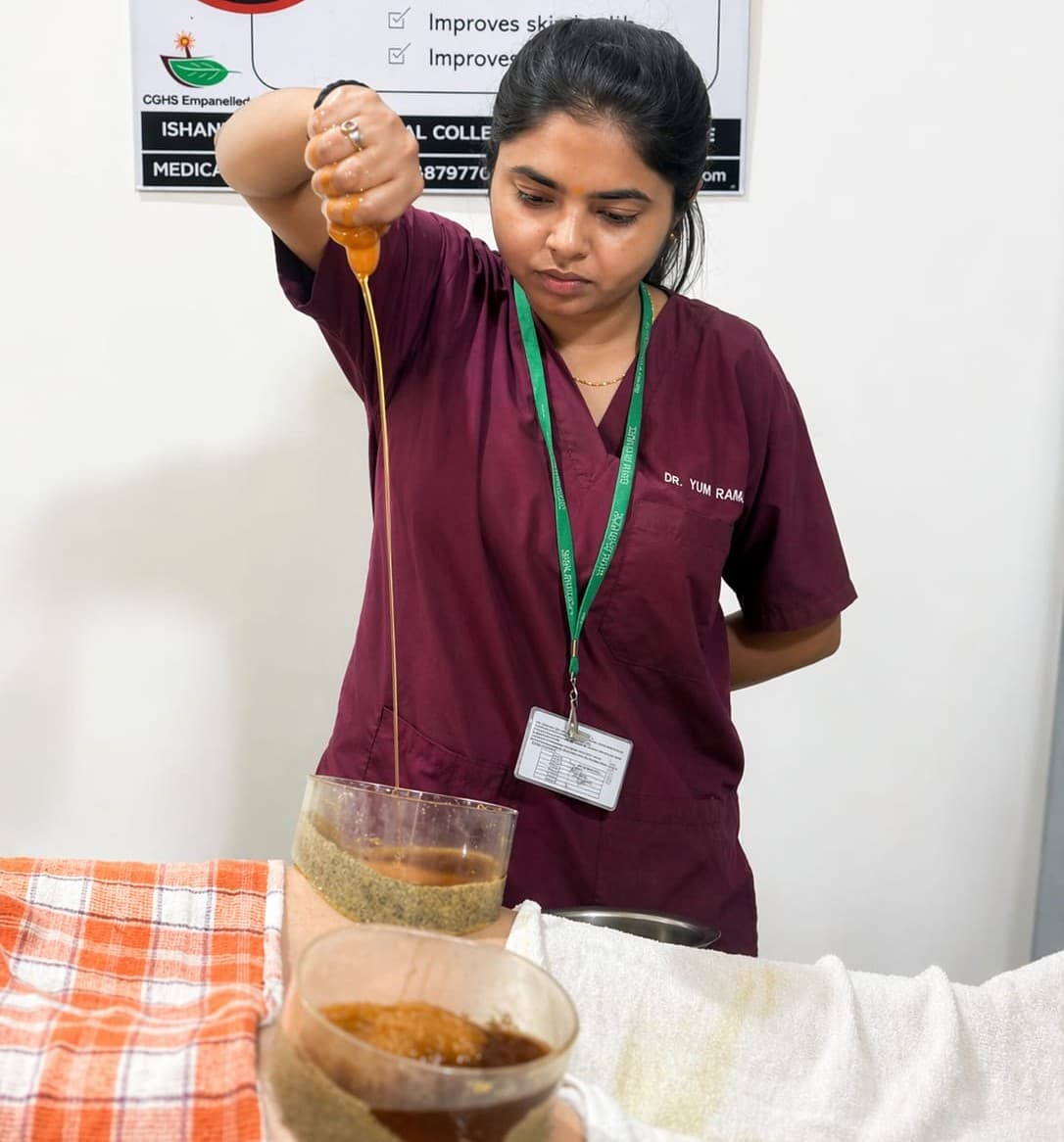
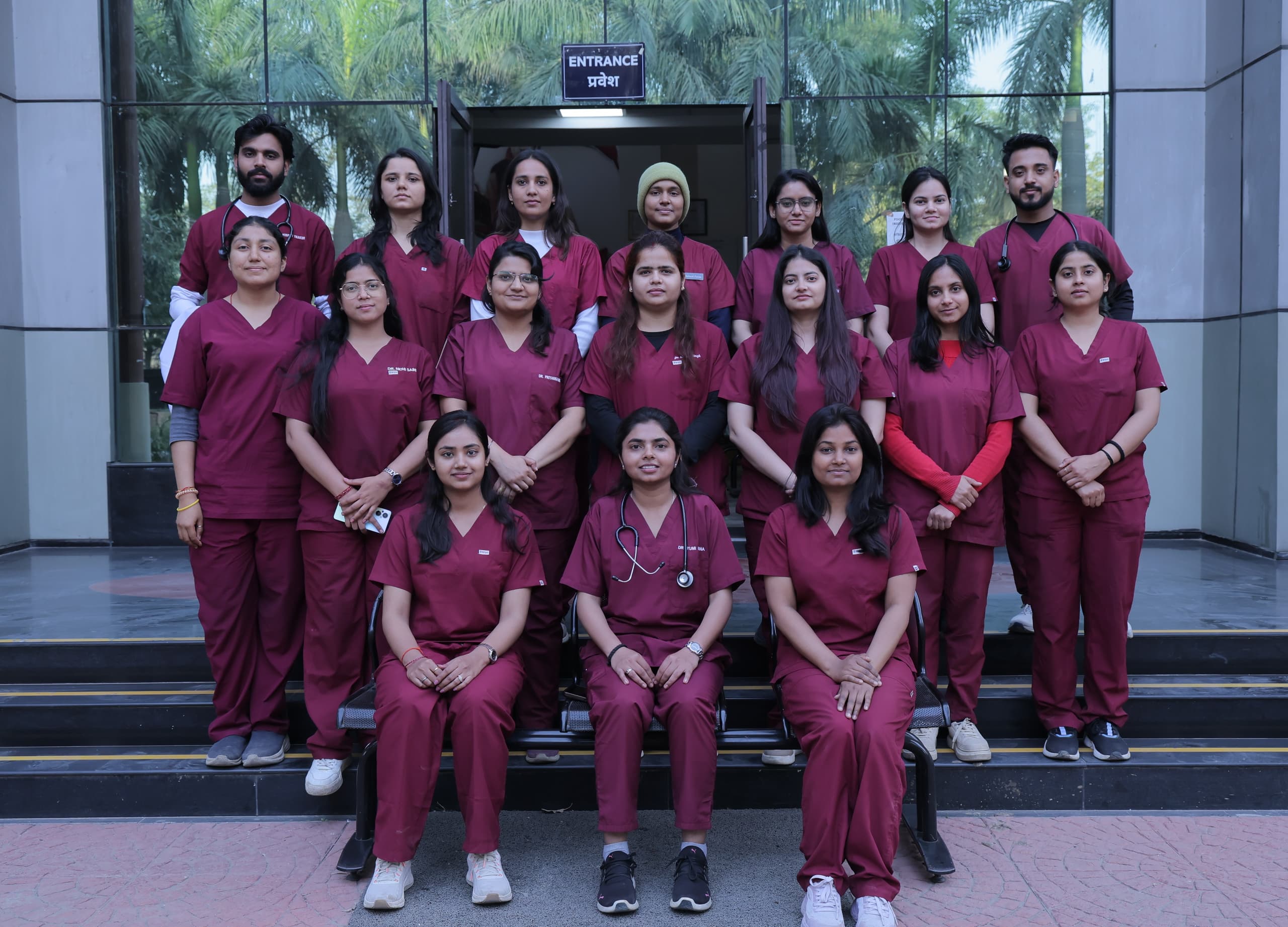
Students complete a robust 1-year compulsory internship, split between 6 months of allopathic training and 6 months of Ayurvedic clinical practice.
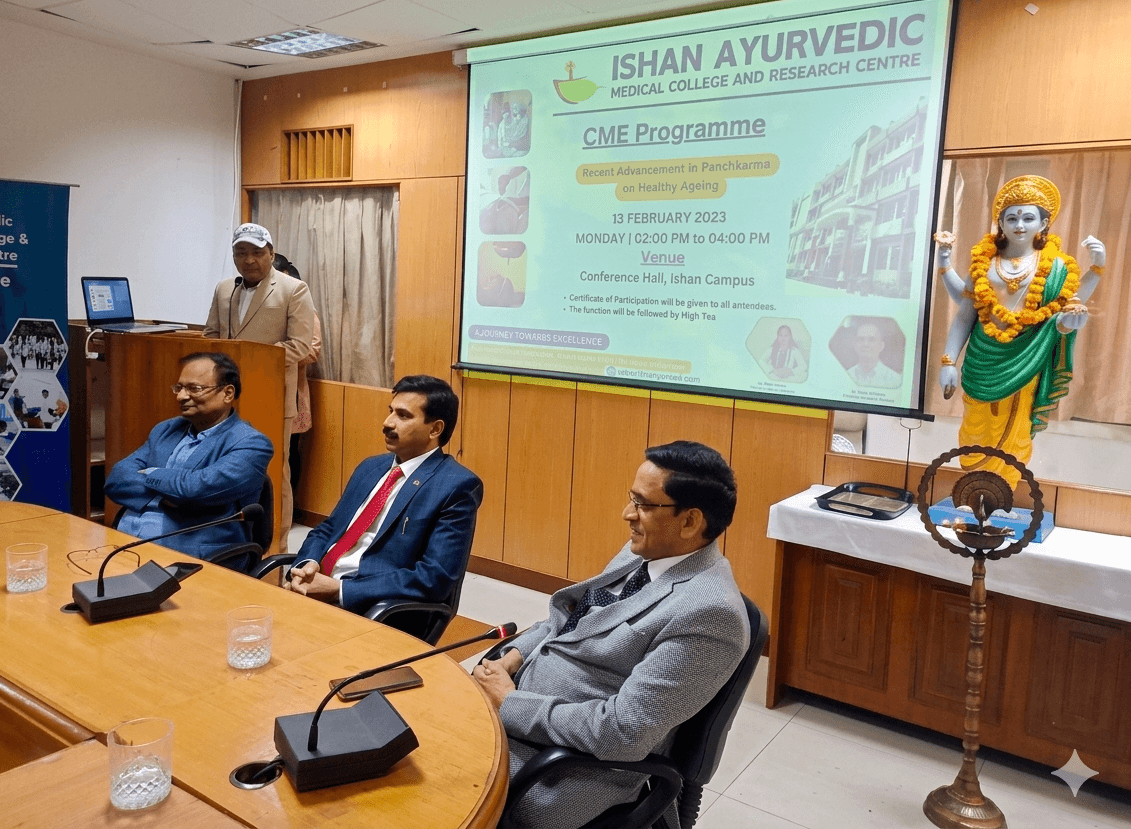
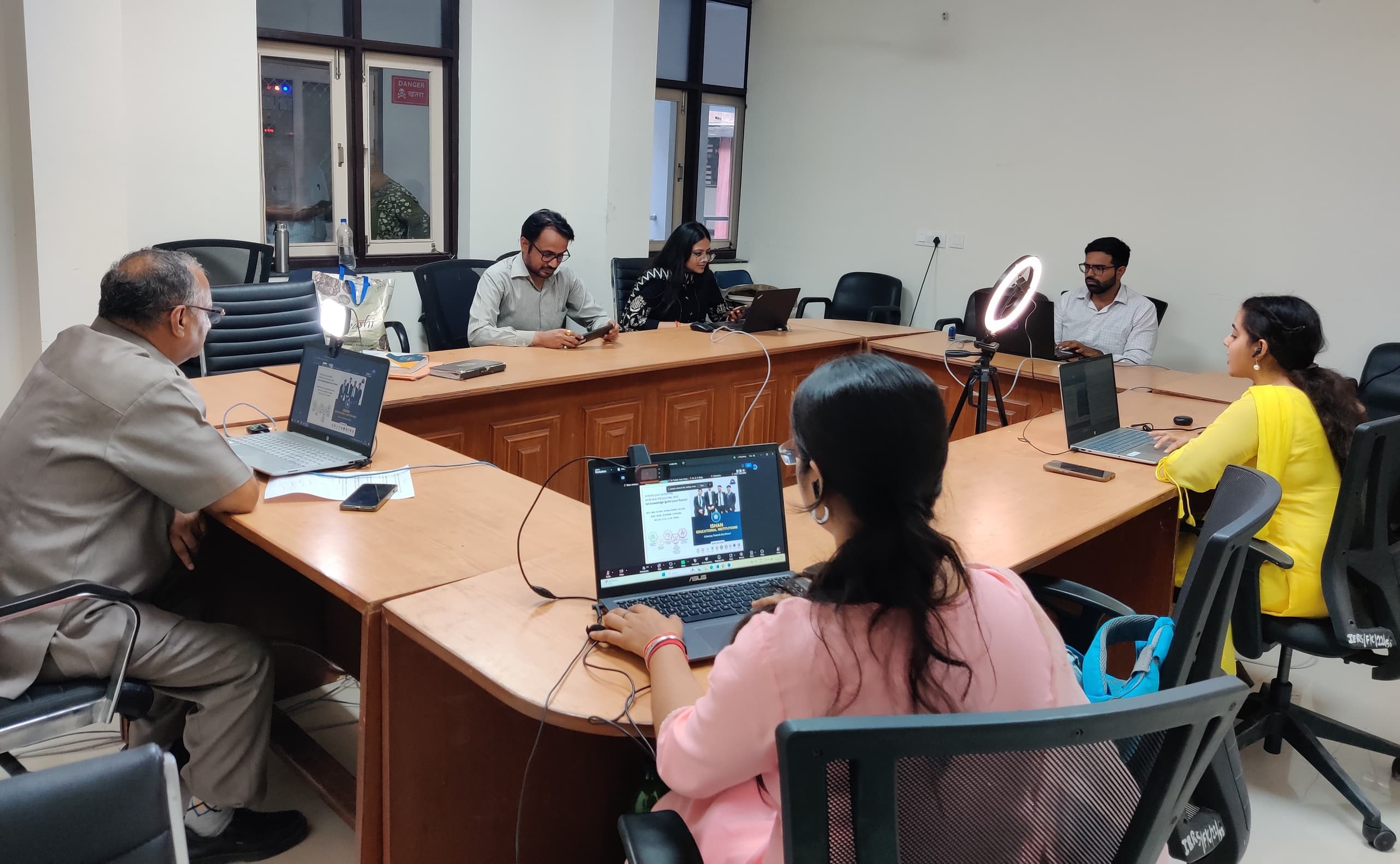
Continuous FDPs integrate modern educational technology with traditional Sanskrit-based pedagogy, keeping the curriculum engaging, relevant, and clinically grounded.
A healing environment for healing education, rooted in medicinal biodiversity, resource conservation, and Sattvic campus design.
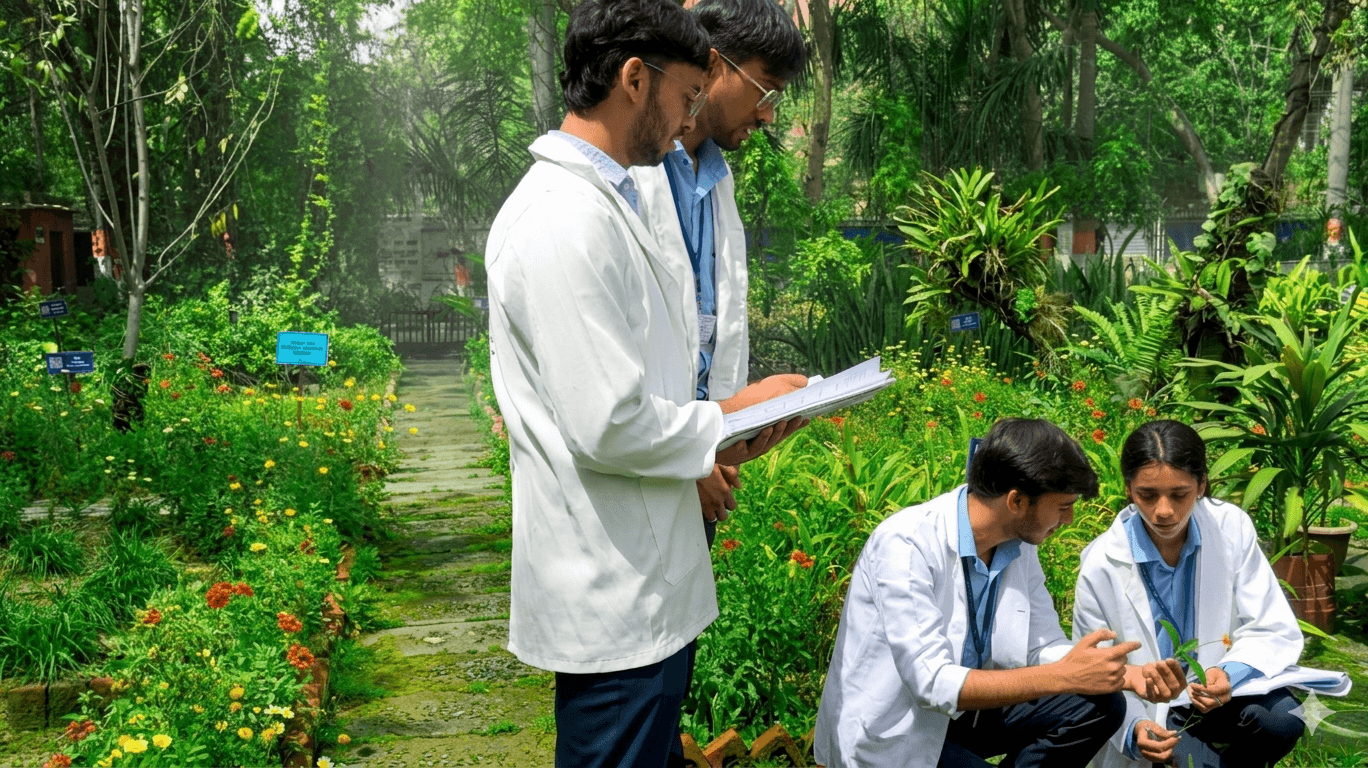
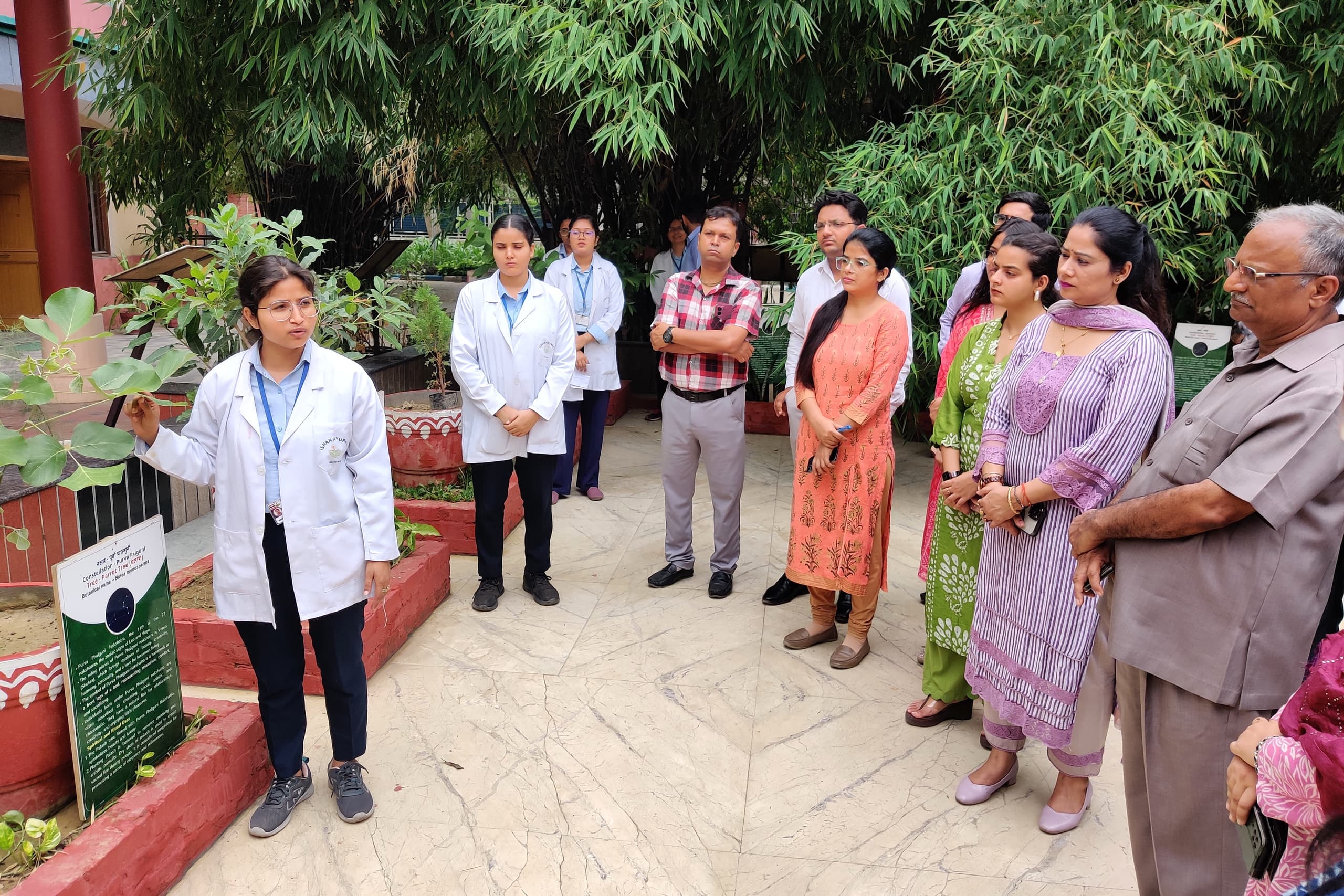
A living classroom across the green campus, featuring over 1,200 medicinal plants and 250+ unique species for botanical study and pharmacy preparation.
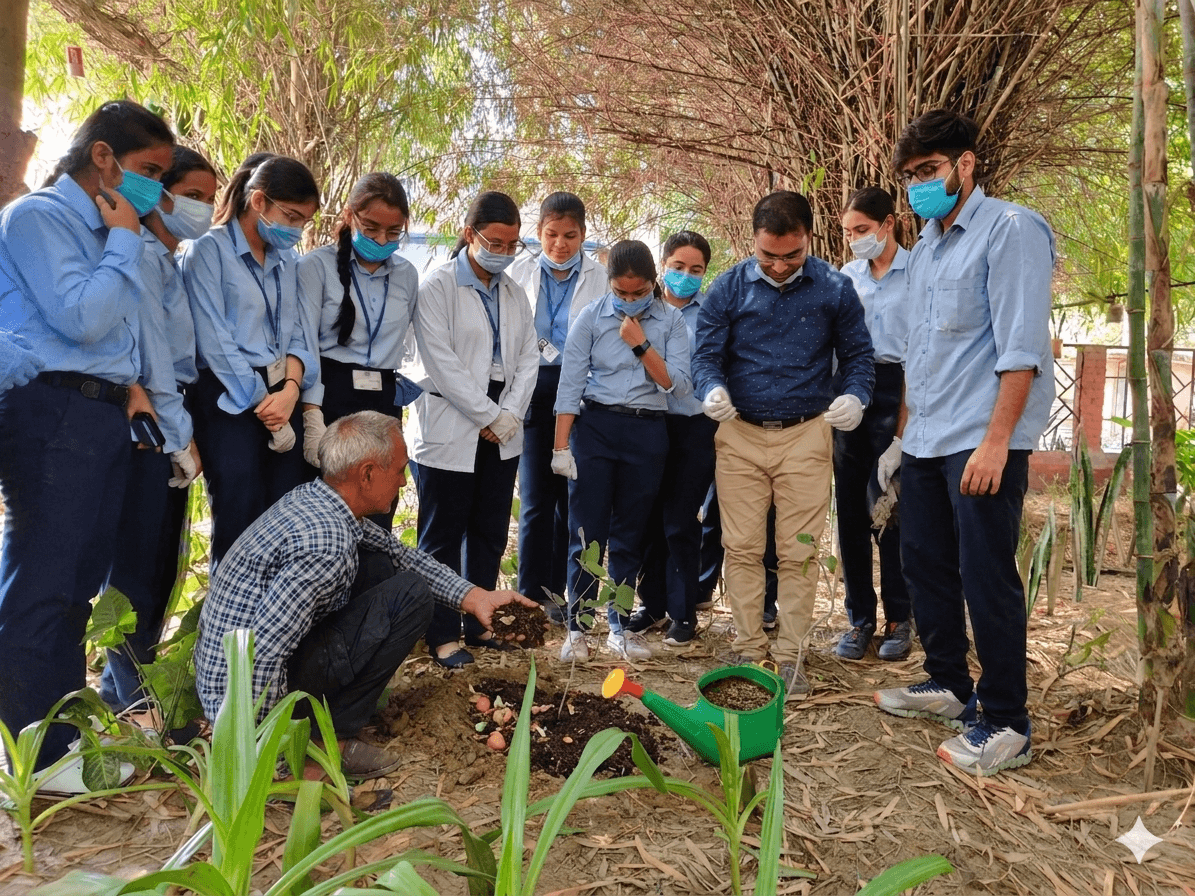
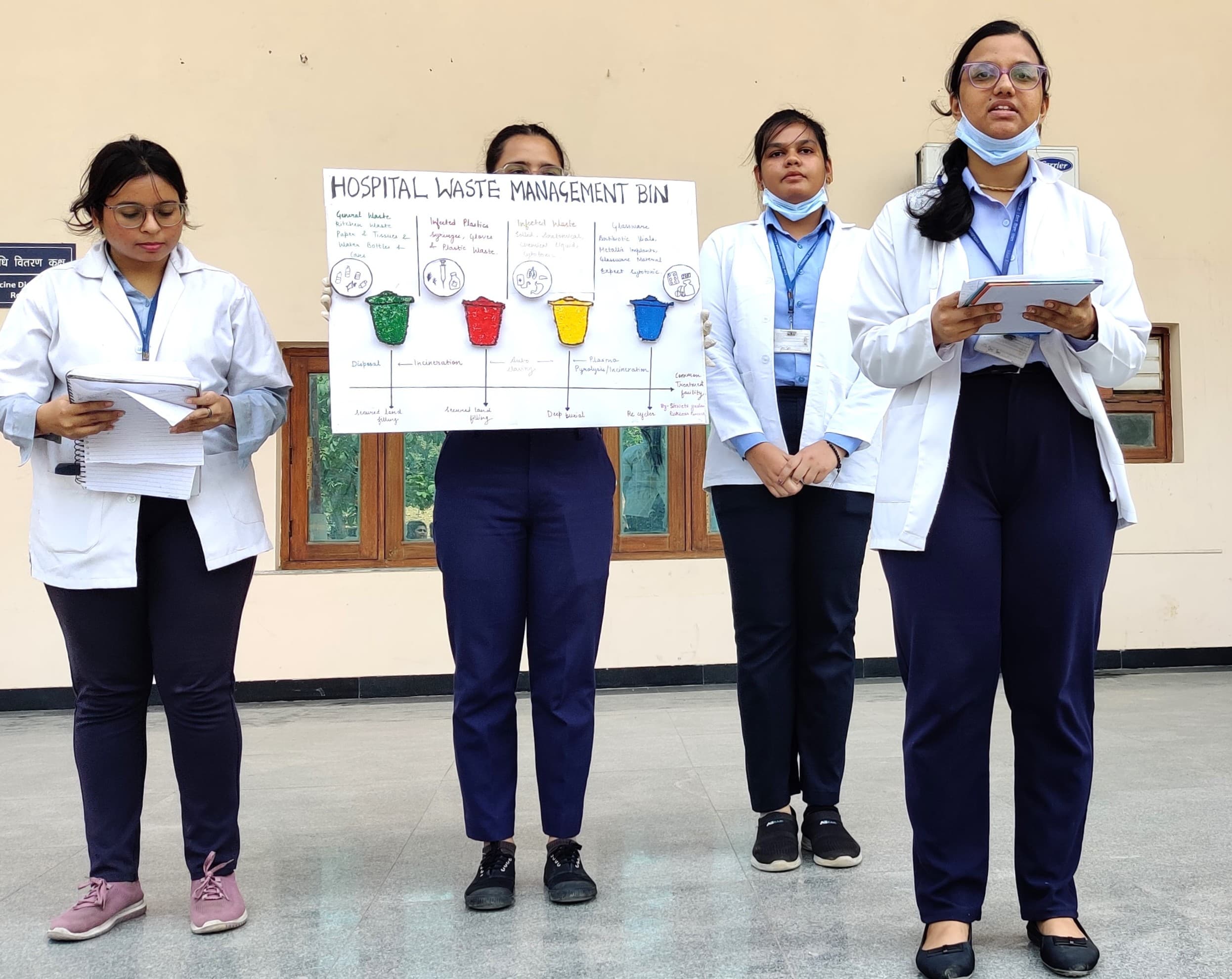
A zero-waste philosophy supported by rainwater harvesting and an on-site bio-waste recycling plant that converts organic waste into manure for medicinal gardens.
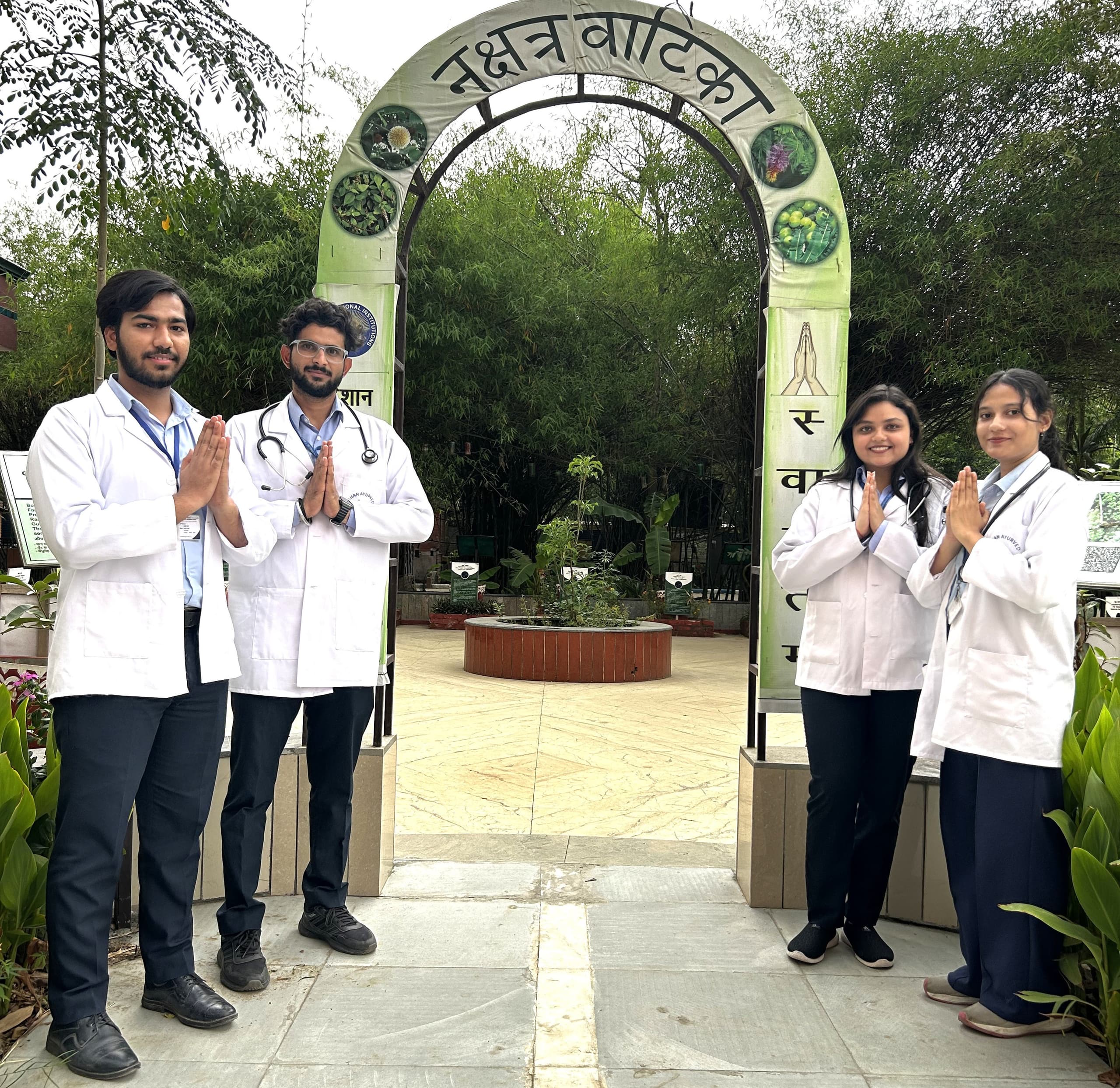
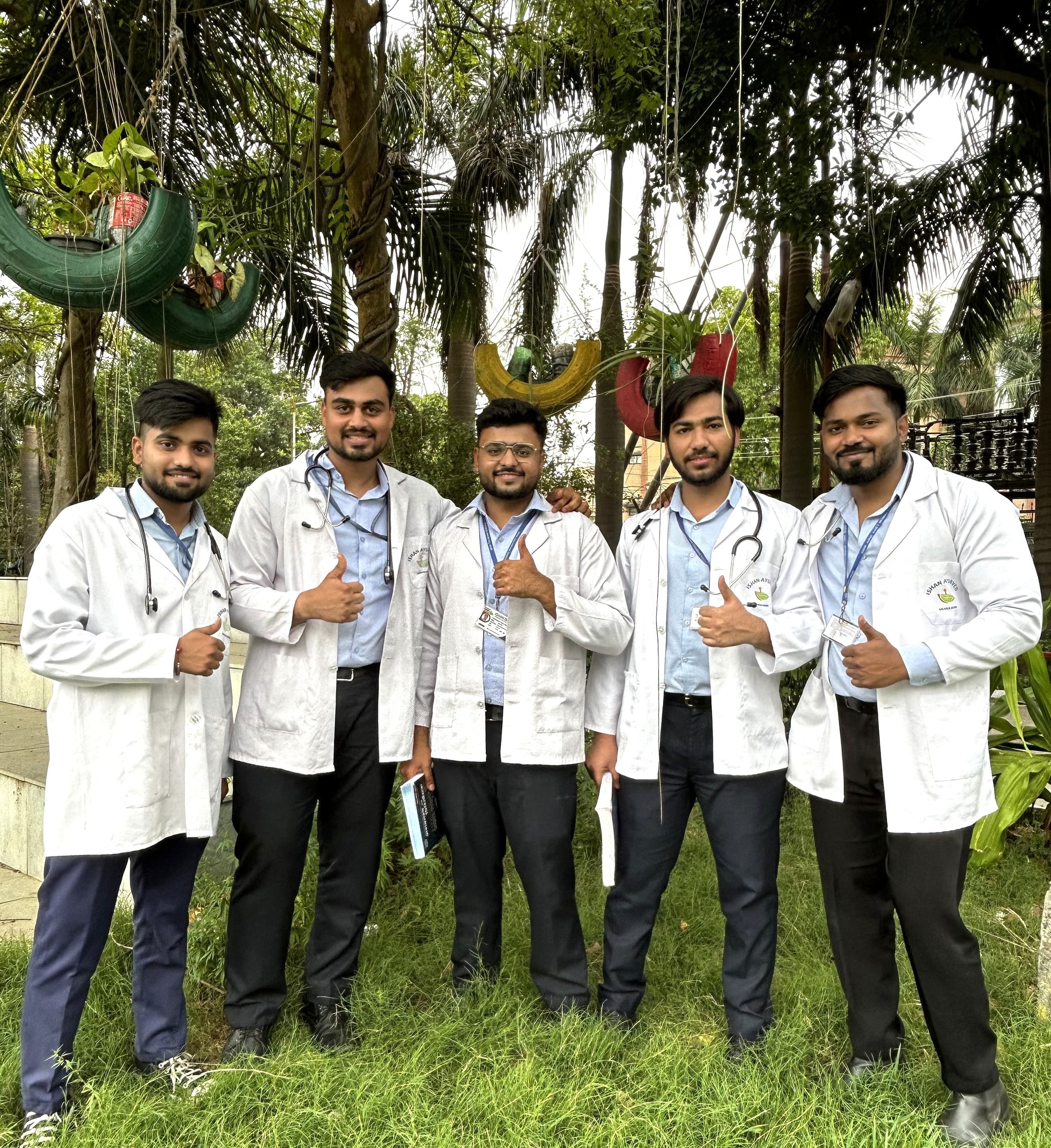
Spanning 10+ acres, the eco-friendly campus provides a serene, pollution-free atmosphere aligned with the Ayurvedic principle of Swasthavritta, or healthy living.
The way forward is to deepen evidence-based Ayurveda, expand community healthcare reach, and keep strengthening clinical learning through quality systems.
Balancing Tradition and Modern Evidence: Ayurvedic education must preserve classical wisdom while strengthening research documentation, diagnostics, and evidence-based clinical validation.
Scaling Community Healthcare: Growing camp outreach requires sustained logistics, medical teams, follow-up systems, and medicine availability for rural and underserved populations.
Maintaining Clinical Readiness: Students need continuous hospital exposure, simulation, mentoring, and interdisciplinary learning to handle diverse healthcare environments confidently.
Sustaining Medicinal Biodiversity: Herbal gardens and green campus assets require regular care, documentation, seasonal planning, and active student participation.
“The green campus has been appreciated by ayurvedic doctors, Ambassadors of various countries, Ministers and is recognized as one of the best Green Campuses in India which is surrounded by fresh air.”
Environmentalist